HeadPowder, a leading manufacturer based in Shandong, China, specializes in the design, production, and supply of high-efficiency pneumatic conveying systems tailored for abrasive sand applications. This article provides a comprehensive classification of abrasive sand pneumatic conveying systems and analyzes their practical applications in various industrial sectors.
Introduction to Abrasive Sand Pneumatic Conveying Systems
Abrasive sand pneumatic conveying systems are critical in industries where the transportation of abrasive materials like sand, gravel, or crushed stones is required. These systems utilize air as the medium to move bulk materials through pipelines, offering advantages such as dust control, reduced labor costs, and improved safety compared to traditional methods like belt conveyors or bucket elevators. The efficiency and reliability of these systems depend heavily on the proper selection of system type, which is influenced by factors including material properties, conveying distance, and operational requirements.
Classification of Abrasive Sand Pneumatic Conveying Systems
Based on the pressure within the conveying pipeline, abrasive sand pneumatic conveying systems can be broadly classified into two main categories: positive pressure systems and negative pressure systems. Each type has distinct characteristics and is suitable for different operational scenarios.
Positive Pressure Pneumatic Conveying Systems
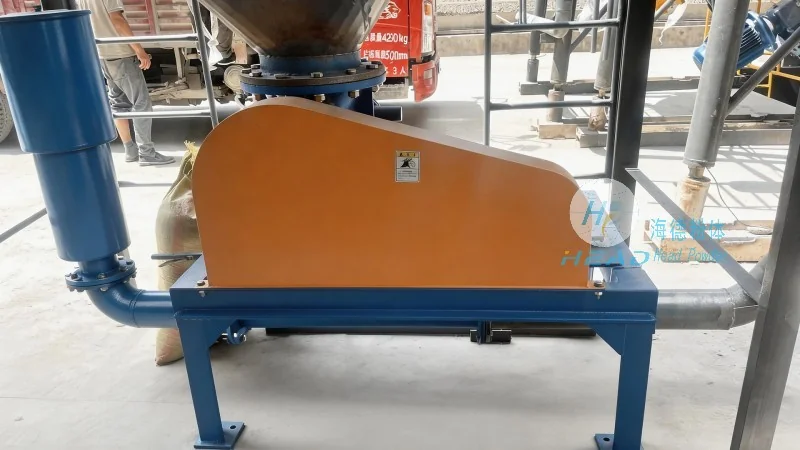
Positive pressure systems operate by blowing air into the conveying pipeline, creating a positive pressure environment. The material is drawn into the pipeline by the moving air, which then transports it to the destination. This type of system is particularly effective for conveying abrasive materials over long distances or in complex layouts. The primary advantages of positive pressure systems include high conveying capacity, the ability to handle large quantities of material, and the capability to transport materials to elevated positions. However, they may require more robust equipment to withstand the higher pressures and are generally more complex to install and maintain.
Negative Pressure Pneumatic Conveying Systems
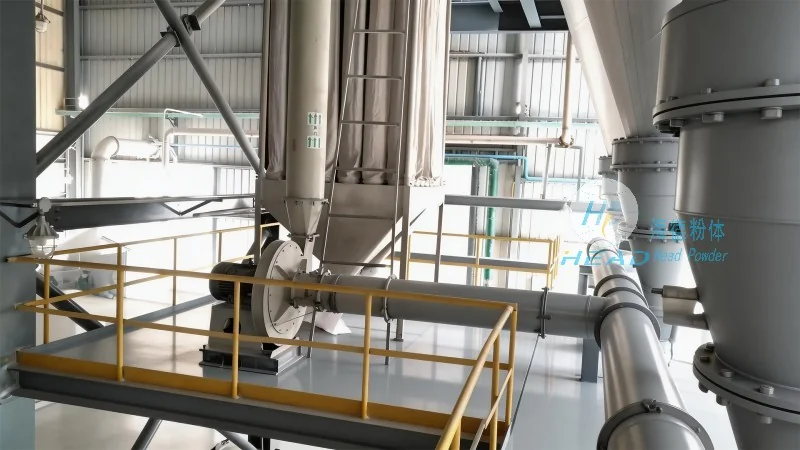
Negative pressure systems, also known as vacuum conveying systems, operate by creating a vacuum in the pipeline. The material is drawn into the pipeline by the suction created by the vacuum, which then transports it to the collection point. These systems are well-suited for applications where the material needs to be transported from a lower level to a higher one or where the material is sensitive to pressure changes. The main benefits of negative pressure systems include lower energy consumption, reduced wear on components, and the ability to handle fine or dusty materials without generating excessive dust. However, they typically have lower conveying capacities compared to positive pressure systems and may be limited in conveying distance.
Other Specialized Conveying Methods
Beyond the basic positive and negative pressure systems, there are specialized methods designed for specific abrasive sand applications. These include the use of high-pressure blowers, cyclone separators, and rotary airlock valves. High-pressure blowers can provide the necessary force to move abrasive materials over longer distances or through more complex piping networks. Cyclone separators are used to separate the conveyed material from the air stream, ensuring that the material reaches its destination without contamination. Rotary airlock valves are employed at the inlet and outlet of the system to control the flow of material and prevent backflow, which is crucial for maintaining system efficiency and preventing damage to equipment.
Application Analysis of Abrasive Sand Pneumatic Conveying Systems
The application of abrasive sand pneumatic conveying systems varies across different industries, with each sector leveraging the system's capabilities to enhance operational efficiency and productivity. The following are key applications where these systems are widely utilized:
Construction and Mining Industries
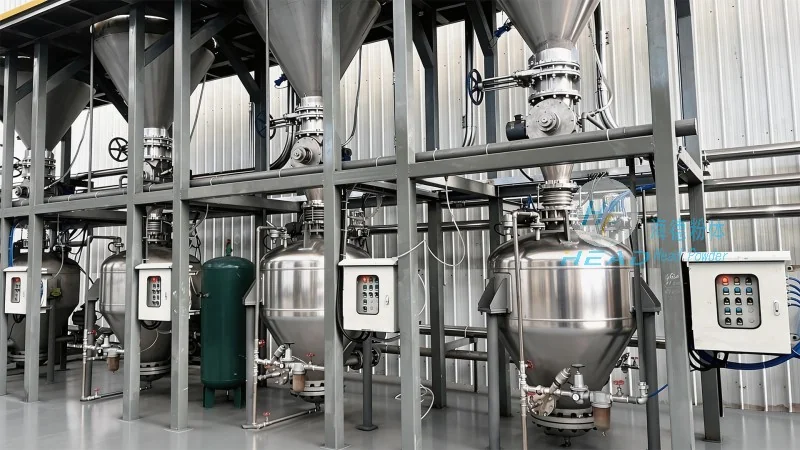
In the construction and mining sectors, abrasive sand pneumatic conveying systems are essential for transporting sand, gravel, and crushed stones from stockpiles to processing facilities or construction sites. These systems enable the efficient movement of bulk materials over long distances, reducing the need for manual handling and minimizing the risk of material spillage. For example, in a mining operation, a positive pressure system may be used to convey crushed ore from a crusher to a conveyor belt, while a negative pressure system could be employed to transport fine sand from a storage silo to a mixing plant. The choice of system type depends on the specific material characteristics, such as particle size and abrasiveness, as well as the distance and elevation changes involved in the conveying process.
Foundry and Metallurgical Industries
The foundry and metallurgical industries heavily rely on abrasive sand pneumatic conveying systems for the transportation of raw materials like sand, clay, and metal powders. These materials are often abrasive and require specialized equipment to prevent wear and tear. Positive pressure systems are commonly used in foundries to convey sand from storage bins to molding machines, ensuring a consistent and controlled flow of material. The high conveying capacity and ability to handle large quantities make positive pressure systems ideal for high-volume production environments. In metallurgical plants, negative pressure systems may be employed to transport fine metal powders, as they help maintain a clean and dust-free environment, which is critical for the quality of the final products.
Chemical and Pharmaceutical Industries
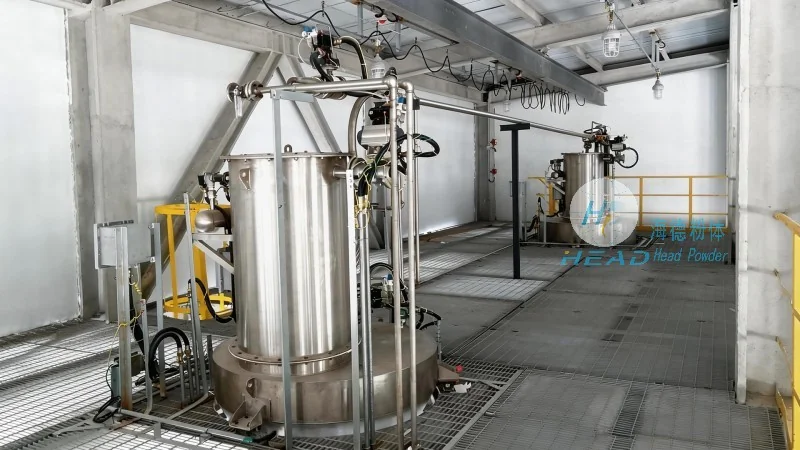
In the chemical and pharmaceutical industries, abrasive sand pneumatic conveying systems are used to transport various types of powders and granules, including abrasive materials like silica sand or calcium carbonate. These systems are designed to meet stringent hygiene and safety standards, with features such as stainless steel construction and enclosed piping to prevent contamination. The negative pressure systems are often preferred in these industries due to their ability to handle fine powders without generating excessive dust, which is essential for maintaining product purity and compliance with regulatory requirements. Additionally, the use of cyclone separators and air filters in these systems ensures that the conveyed material is free from contaminants, making it suitable for pharmaceutical applications where product quality is paramount.
Environmental and Waste Management
Abrasive sand pneumatic conveying systems also play a role in environmental and waste management applications, where they are used to transport sand and other materials for recycling or disposal. For instance, in a waste treatment facility, a positive pressure system may be used to convey sand from a recycling plant to a storage area, while a negative pressure system could be employed to transport fine particles from a dust collection system to a disposal site. These systems help streamline the waste management process by providing an efficient and cost-effective method of material transportation, reducing the need for manual handling and minimizing the risk of environmental contamination.
Conclusion
Abrasive sand pneumatic conveying systems offer significant advantages in the transportation of abrasive materials across various industrial applications. The classification of these systems into positive pressure, negative pressure, and specialized methods allows for the selection of the most appropriate solution based on specific operational requirements. HeadPowder, with its expertise in the design and manufacturing of such systems, provides tailored solutions that enhance efficiency, safety, and productivity in industrial processes. By understanding the characteristics and applications of different pneumatic conveying systems, industries can make informed decisions to optimize their material handling operations and achieve better overall performance.




