

Classification and Application Analysis of Calcite Pneumatic Conveying Systems
Calcite, a widely used industrial mineral, plays a crucial role in various manufacturing processes. The efficient transportation of calcite powder is essential for maintaining production efficiency and product quality. Pneumatic conveying systems have emerged as a preferred method for handling calcite due to their ability to transport materials in a dust-free environment, reducing operational risks and improving overall process reliability.
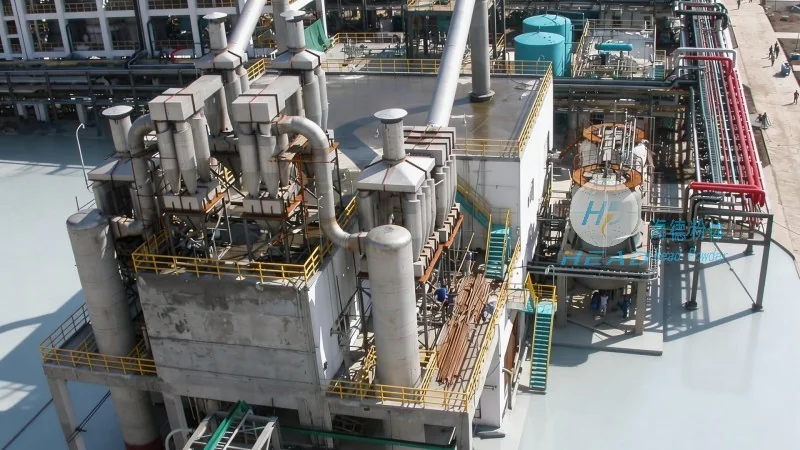
Overview of Calcite Pneumatic Conveying Systems
Calcite pneumatic conveying systems are designed to transport calcite powder from one location to another using air as the conveying medium. These systems typically consist of a hopper, a blower or compressor, a pipeline, and a receiver. The system operates by creating a negative pressure or positive pressure within the pipeline to move the calcite particles along with the air stream. The choice between negative and positive pressure systems depends on factors such as the distance to be covered, the quantity of material to be conveyed, and the specific characteristics of the calcite powder.
Classification of Calcite Pneumatic Conveying Systems
Calcite pneumatic conveying systems can be broadly classified into two main categories: negative pressure (or vacuum) systems and positive pressure systems. Each type has distinct characteristics and is suitable for different applications.
Negative pressure systems, also known as vacuum conveying systems, create a low-pressure environment in the pipeline, drawing the calcite powder from the source into the system. These systems are ideal for conveying calcite from a hopper or storage bin to a processing unit, especially when the source is at a higher elevation than the destination. The primary advantage of negative pressure systems is their ability to handle fine calcite powders without causing excessive dust generation. However, they are generally limited to shorter conveying distances and lower material flow rates compared to positive pressure systems.
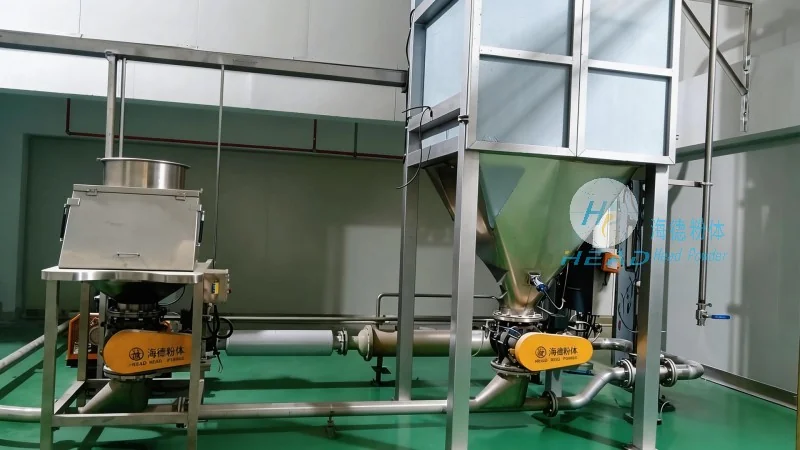
Positive pressure systems, on the other hand, operate by forcing air and calcite particles through the pipeline using a high-pressure blower or compressor. These systems are suitable for longer conveying distances and higher material flow rates. Positive pressure systems are commonly used when the calcite source is at a lower elevation than the destination, as the system can push the material upward. The main benefit of positive pressure systems is their ability to handle larger quantities of calcite and transport it over greater distances. However, they may generate more dust and require more robust equipment to handle the higher air pressure.
Within these main categories, calcite pneumatic conveying systems can also be further classified based on the type of air flow and particle movement. For instance, dilute phase systems use high air velocities to suspend calcite particles in the air stream, making them suitable for long-distance conveying. Dense phase systems, in contrast, use lower air velocities to transport calcite in a more concentrated form, reducing the risk of particle degradation and ensuring better material handling. The selection of a specific system type depends on the calcite particle size, moisture content, and the required conveying efficiency.
Application Analysis of Calcite Pneumatic Conveying Systems
The application of calcite pneumatic conveying systems varies across different industries, with each sector requiring tailored solutions to meet specific operational needs. In the pharmaceutical industry, for example, calcite is used as a filler or excipient in drug formulations. The use of pneumatic conveying systems ensures that the calcite powder is handled in a sterile and dust-free environment, preventing contamination and maintaining product purity. This is particularly important in the production of high-value pharmaceuticals where quality control is paramount.
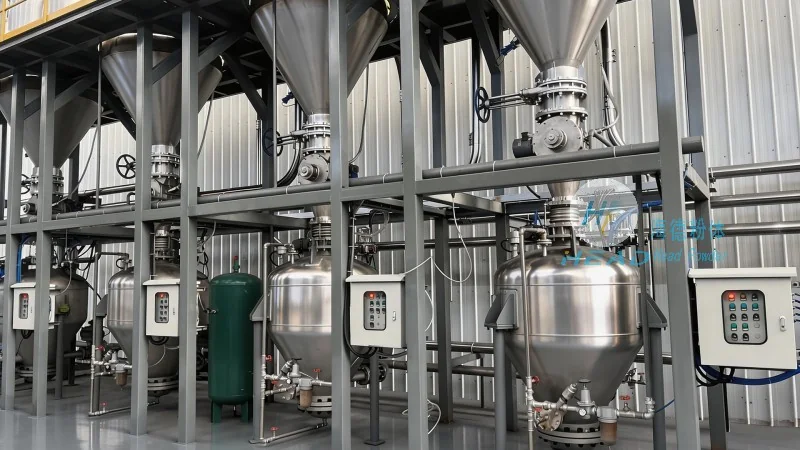
In the food and beverage industry, calcite is used as a calcium supplement in various products such as dairy, beverages, and nutritional supplements. Pneumatic conveying systems are employed to transport calcite powder from storage to production lines, ensuring that the material is handled hygienically and without cross-contamination. The systems are designed to meet food safety standards, with features such as stainless steel construction and easy cleaning to prevent the accumulation of residues.
In the construction industry, calcite is used as a raw material for cement production and as a filler in concrete and plaster. Pneumatic conveying systems are used to transport calcite from quarries or storage facilities to cement plants, where it is mixed with other raw materials. The systems help to reduce the risk of dust exposure for workers and improve the efficiency of material handling in large-scale construction projects. The ability to handle large volumes of calcite powder efficiently makes these systems indispensable in the construction sector.
In the chemical industry, calcite is used as a raw material in the production of calcium-based chemicals and as a filler in various industrial products. Pneumatic conveying systems are employed to transport calcite powder from raw material storage to processing units, ensuring that the material is handled in a controlled environment. The systems help to maintain the quality of the calcite by preventing moisture absorption and particle agglomeration, which can affect the final product's properties.