Barium carbonate is a widely used chemical compound in various industrial applications, and the efficient handling of this material often requires specialized equipment. One such solution is the barium carbonate pneumatic conveying system, which plays a crucial role in transporting this substance safely and effectively. This article aims to explore what this equipment entails and the underlying design principles that make it effective for industrial use.
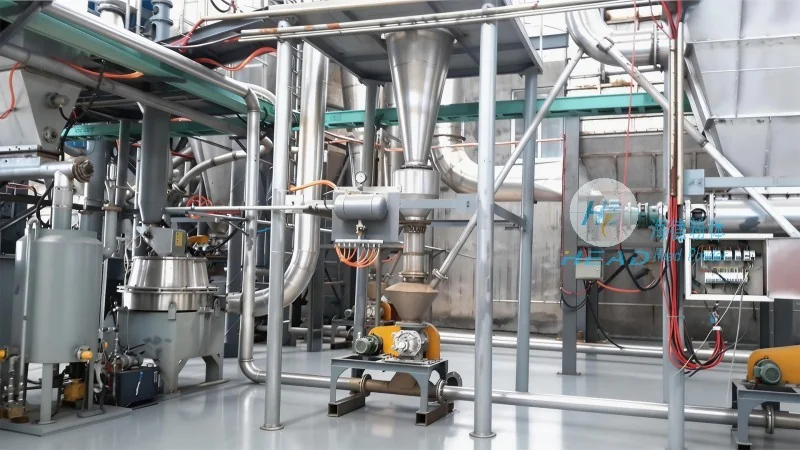
Introduction to Barium Carbonate Pneumatic Conveying Equipment
Barium carbonate (BaCO₃) is a white crystalline powder commonly used in the production of glass, ceramics, and as a precursor in chemical synthesis. Due to its fine particle size and potential for dust generation, handling this material requires equipment that can minimize exposure risks while ensuring reliable transport. Pneumatic conveying systems offer a solution by using air or other gases to move the material through pipelines, reducing the need for manual handling and enhancing operational safety.
Key Components of a Barium Carbonate Pneumatic Conveying System
The barium carbonate pneumatic conveying equipment typically consists of several key components that work in tandem to achieve efficient material transport. These components include a hopper or feeder for material storage and controlled discharge, a conveying line (usually made of stainless steel or other corrosion-resistant materials to handle the chemical properties of barium carbonate), a blower or compressor to generate the necessary air pressure, and a receiver or collection unit where the material is deposited. Additionally, the system may incorporate filters and dust collection systems to ensure air quality and compliance with environmental regulations.
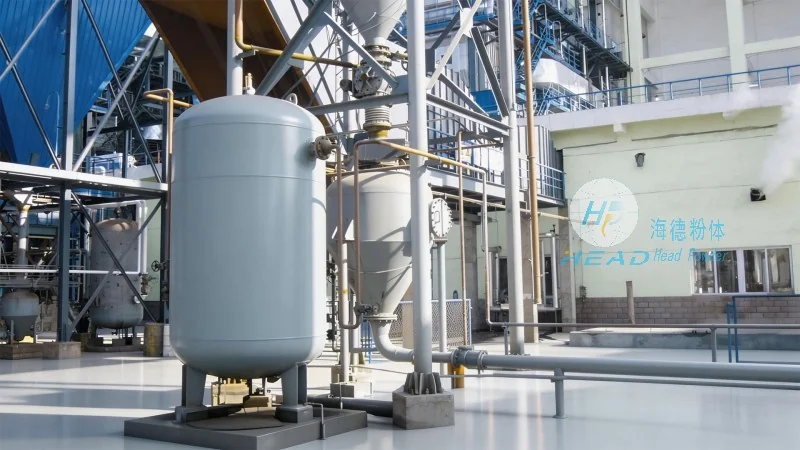
Design Principles for Optimal Performance
The design of a barium carbonate pneumatic conveying system is guided by several principles to ensure efficiency, reliability, and safety. One of the primary considerations is the particle size and flow characteristics of barium carbonate. Since this material is often fine and can be prone to agglomeration, the system must be designed to maintain a consistent flow and prevent blockages. This involves selecting appropriate hopper designs, such as conical or wedge-shaped hoppers, which help in breaking up lumps and ensuring smooth material discharge.
Another critical design principle is the air velocity and pressure required for conveying. The air velocity must be sufficient to overcome the material's resistance to flow but not so high as to cause excessive wear on the conveying line or generate too much dust. Engineers typically calculate the required air velocity based on the material's density, particle size, and the system's layout. The blower or compressor is selected to provide the necessary pressure and airflow to maintain the desired velocity throughout the conveying line.
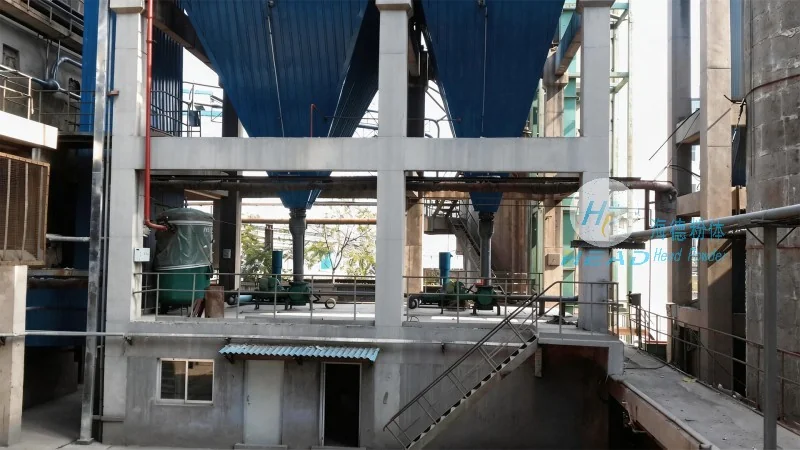
Advantages of Using Pneumatic Conveying for Barium Carbonate
Implementing a pneumatic conveying system for barium carbonate offers several advantages over traditional methods like belt conveyors or manual handling. First, it eliminates the need for direct human contact with the material, reducing the risk of inhalation of fine particles and improving workplace safety. Second, the system can handle the material in a closed environment, minimizing dust emissions and environmental impact. Third, pneumatic conveying allows for flexible system layouts, as the conveying line can be routed around obstacles or integrated into existing production lines without major modifications. Finally, the system can be automated, enabling consistent and reliable operation with minimal downtime.
Application Examples and Industry Use Cases
Barium carbonate pneumatic conveying equipment is commonly used in industries where this chemical is a key raw material. For instance, in the glass manufacturing industry, barium carbonate is used to add opacity and reduce the melting point of glass. The pneumatic conveying system ensures that the material is delivered to the glass furnace in a controlled manner, maintaining consistent quality and reducing waste. Similarly, in the ceramics industry, barium carbonate is used as a flux to improve the properties of ceramic products. The system helps in transporting the material to the mixing and molding stages efficiently.
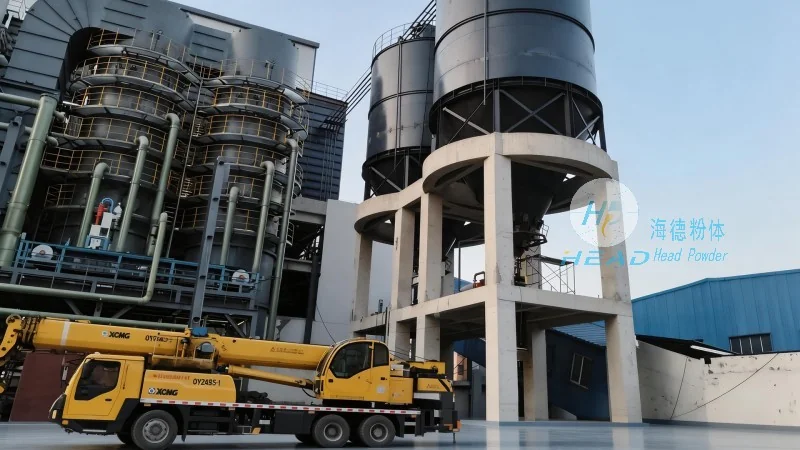
Maintenance and Operational Considerations
To ensure the long-term performance and reliability of a barium carbonate pneumatic conveying system, regular maintenance is essential. This includes inspecting the conveying line for signs of wear or corrosion, cleaning the filters and dust collection systems to prevent clogging, and checking the blower or compressor for optimal performance. Additionally, operators should monitor the system's pressure and airflow to detect any issues early and address them before they lead to system failure. Proper maintenance not only extends the lifespan of the equipment but also ensures consistent material transport and compliance with safety and environmental standards.
Conclusion
In summary, barium carbonate pneumatic conveying equipment is a vital tool for industries that handle this chemical compound. By understanding its design principles and components, companies can implement an efficient and safe system that meets their operational needs. The use of such equipment not only enhances productivity and safety but also contributes to environmental sustainability by minimizing dust emissions and waste. As the demand for barium carbonate continues to grow, the importance of reliable pneumatic conveying systems will only increase, making them a key investment for any company involved in the production or processing of this material.




