What is a Dust Collection Powder Conveying Line? And What Are Its Design Principles?
Release time:2026-09-14 17:03:43
name of the company:Shandong Headpowder Engineering Co., Ltd.
telephone:156-6277-7102
contacts:Zhang manager
Understanding dust collection powder conveying lines is crucial for industries dealing with bulk materials, as these systems are designed to efficiently transport collected dust and powders from filtration units to storage or disposal locations. The design principles behind such systems are centered on ensuring reliable, low-loss, and safe material handling, which is essential for maintaining operational efficiency and compliance with environmental regulations.
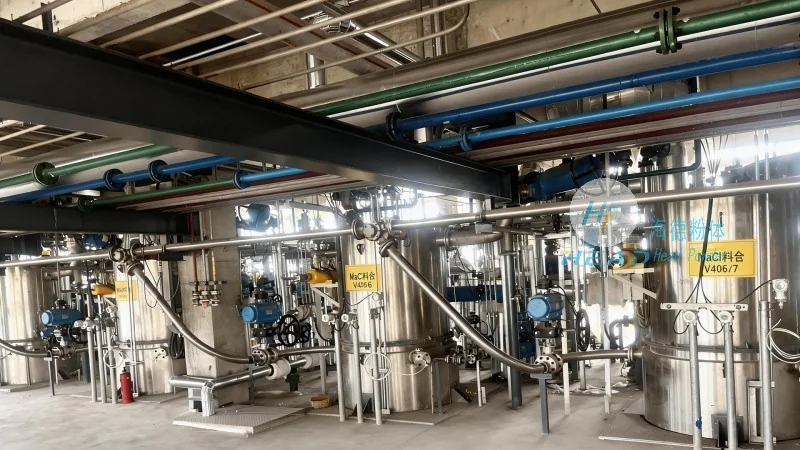
What is a Dust Collection Powder Conveying Line?
A dust collection powder conveying line, also known as a dust collection system or dust handling system, is a specialized equipment setup used in industrial applications to collect airborne dust and powders from processes like grinding, crushing, or mixing. The primary function of this line is to transport the collected material from the dust collector (such as a baghouse or cartridge filter) to a storage silo, hopper, or other processing equipment. This process is critical for preventing dust re-entrainment, maintaining air quality, and ensuring the safe and efficient handling of bulk materials.
Key Components of a Dust Collection Powder Conveying Line
The design of a dust collection powder conveying line typically involves several key components that work in tandem to achieve effective material transport. These components include:
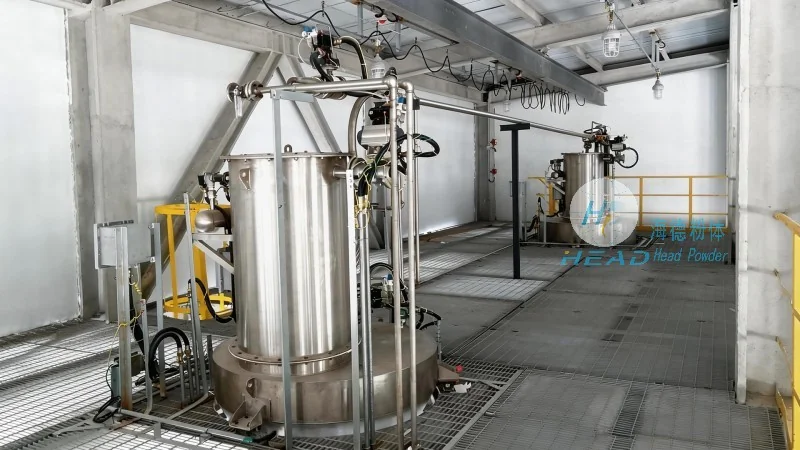
- Dust Collector: The initial stage where airborne dust and particles are captured from the process air. Common types include baghouse filters, cartridge filters, and cyclone separators, each designed to trap fine particles while allowing clean air to be released back into the environment.
- Pneumatic Conveying System: This is the core of the conveying line, utilizing air pressure or vacuum to move the collected powder through a pipeline. Pneumatic systems can be categorized as pressure or vacuum systems, with pressure systems using compressed air to push material forward and vacuum systems using suction to draw material along the line.
- Pipeline and Fittings: The pipeline network that connects the dust collector to the discharge point. These are typically made of materials like stainless steel, plastic, or rubber, chosen for their resistance to corrosion, abrasion, and chemical exposure. Fittings such as elbows, tees, and valves are used to direct the flow and control the conveying process.
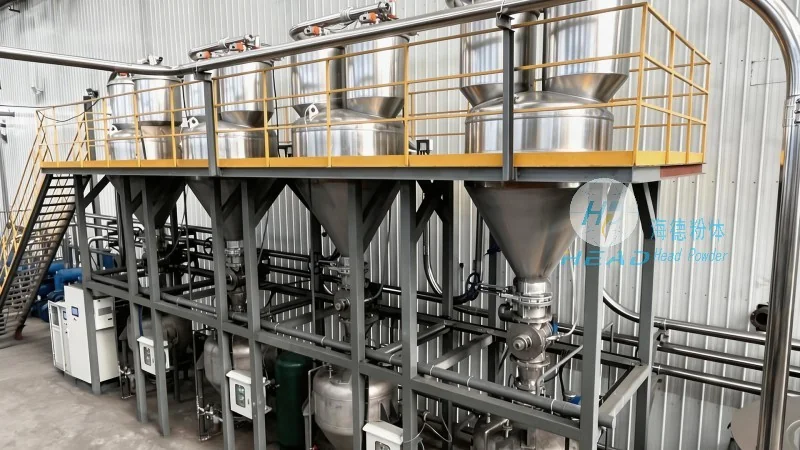
- Discharge Equipment: The final component that delivers the collected powder to its destination. This may include silos, hoppers, or processing equipment, with devices like rotary valves, star feeders, or screw conveyors used to control the discharge rate and prevent material buildup.
Design Principles for Efficient Dust Collection Powder Conveying
The design principles of a dust collection powder conveying line are focused on optimizing performance, minimizing losses, and ensuring safety. Key design considerations include:
- Material Compatibility: The system must be compatible with the specific properties of the powder being handled, such as particle size, moisture content, and abrasiveness. This influences the choice of materials for the pipeline, fittings, and equipment to prevent wear, clogging, or degradation.
- Conveying Velocity and Airflow: The velocity of the air and the airflow rate are critical factors in determining the efficiency of the conveying system. Proper velocity ensures that the powder is fully suspended and transported without settling or clogging the pipeline. Design calculations often involve determining the minimum and maximum velocities required for different powder types and pipeline diameters.
- System Pressure and Vacuum: The pressure or vacuum level in the system affects the conveying distance and capacity. Higher pressure systems are suitable for longer distances or larger quantities of material, while vacuum systems are often used for shorter distances or when the material needs to be moved against gravity.
- Prevention of Clogging and Blockages: Design strategies include using appropriate pipeline diameters, maintaining consistent airflow, and incorporating cleaning mechanisms or anti-clogging devices to prevent material buildup. This ensures continuous operation and reduces downtime for maintenance.
- Energy Efficiency: Efficient design aims to minimize energy consumption while maintaining performance. This involves optimizing the airflow rate, using energy-efficient motors, and selecting the right type of conveying system (e.g., pressure vs. vacuum) based on the specific application requirements.
Applications and Industries Using Dust Collection Powder Conveying Lines
Dust collection powder conveying lines are widely used across various industries where bulk materials are processed, including:
- Pharmaceutical Industry: Handling fine powders in drug manufacturing, ensuring product purity and preventing cross-contamination.
- Food and Beverage Industry: Transporting powders like flour, sugar, or spices from processing equipment to storage or packaging lines, maintaining hygiene and product quality.
- Chemical Industry: Managing powders and dusts from chemical reactions, storage, or packaging, with systems designed to handle abrasive or corrosive materials.
- Mineral and Mining Industry: Conveying fine powders from grinding or crushing operations, often over long distances to processing plants or storage facilities.
- Plastics and Rubber Industry: Handling powders used in compounding or mixing processes, ensuring consistent material quality and preventing dust exposure.
Advantages of Properly Designed Dust Collection Powder Conveying Systems
Implementing a well-designed dust collection powder conveying line offers several advantages for industrial operations:
- Improved Air Quality: By effectively capturing and transporting dust, these systems help maintain clean air in the workplace, reducing health risks for employees and complying with environmental regulations.
- Enhanced Product Quality: Preventing dust re-entrainment ensures that the final product remains free from contaminants, maintaining consistent quality and reducing waste.
- Increased Operational Efficiency: Reliable material transport reduces downtime caused by clogging or blockages, allowing for smoother and more continuous production processes.
- Cost Savings: Efficient systems minimize energy consumption and maintenance costs, leading to long-term operational savings.
- Compliance with Regulations: Properly designed systems help industries meet environmental and safety standards, avoiding penalties and ensuring legal compliance.
Conclusion
Dust collection powder conveying lines are essential components in modern industrial operations, providing efficient and safe transport of collected dust and powders. The design principles behind these systems focus on material compatibility, optimal airflow, and system efficiency to ensure reliable performance. By understanding the key components and design considerations, industries can select and implement the most suitable conveying system for their specific needs, leading to improved operational efficiency, product quality, and environmental compliance.




