For industrial applications that involve the handling of copper sulfate powder, an efficient and reliable conveying system is essential. A copper sulfate powder conveying line is a specialized setup designed to transport this chemical material from one location to another within a production facility or processing plant. This system is crucial for maintaining the flow of operations and ensuring that the material is moved safely and effectively, minimizing the risk of dust exposure and material loss.
Understanding the Copper Sulfate Powder Conveying Line
At the core of any copper sulfate powder conveying line is a combination of components that work together to achieve the desired material transport. The system typically includes feeders, conveyors, and control mechanisms, all tailored to handle the specific properties of copper sulfate powder. Copper sulfate, also known as bluestone, is a common chemical used in various industries, including agriculture, water treatment, and as a raw material in the production of other chemicals. Its handling requires careful consideration due to its fine particle size and potential for dust generation, which can impact both safety and operational efficiency.
Key Components of the Conveying Line
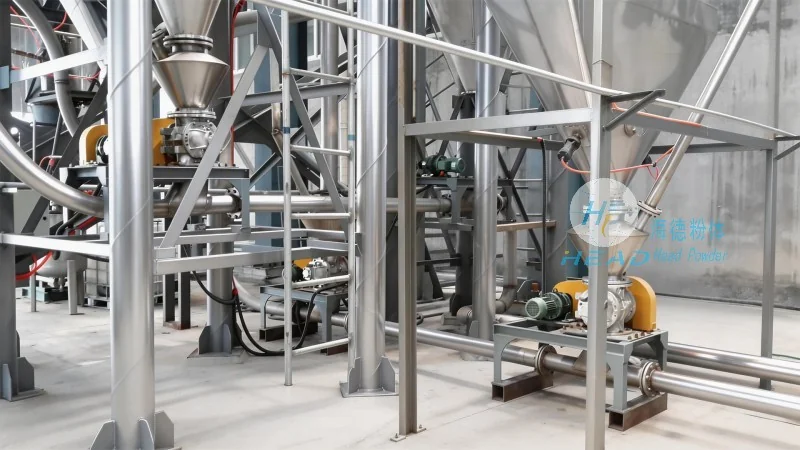
The design of a copper sulfate powder conveying line involves several critical components that ensure smooth operation. The first component is the feeder, which is responsible for feeding the powder into the conveyor system. For copper sulfate, which can be prone to bridging or caking, a suitable feeder such as a rotary valve or a vibratory feeder is often used to ensure consistent and controlled material flow. The feeder's design must accommodate the material's characteristics to prevent blockages and maintain a steady supply to the conveyor.
Next, the conveyor itself is a vital part of the system. Depending on the application and the distance the material needs to be transported, different types of conveyors may be employed. Common options include screw conveyors, pneumatic conveyors, or belt conveyors. Screw conveyors are particularly effective for horizontal or slight incline transport, as they can handle fine powders without causing excessive wear or material degradation. Pneumatic conveyors, on the other hand, use air pressure to move the powder through a pipeline, which is ideal for longer distances or when the material needs to be transported in a closed system to prevent dust dispersion.
Design Principles for Efficient Operation
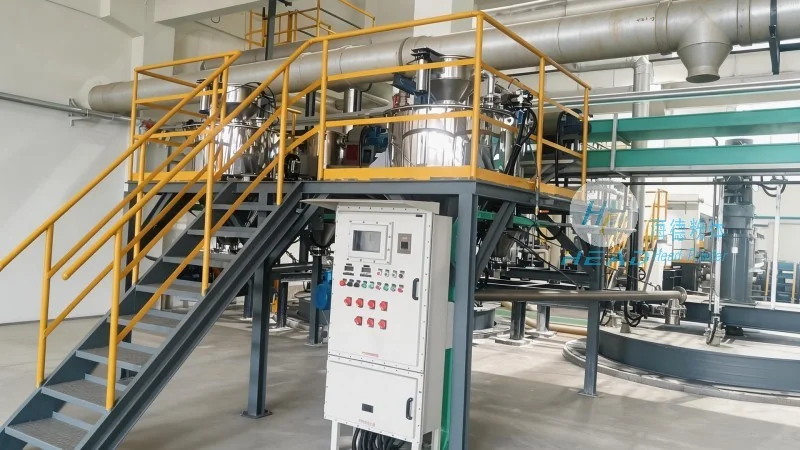
The design principles of a copper sulfate powder conveying line are centered on efficiency, safety, and material integrity. One of the primary principles is to minimize dust generation and exposure. This is achieved through the use of enclosed systems, proper sealing, and dust collection equipment. Copper sulfate is a fine powder that can easily become airborne, posing health risks to workers and potentially causing environmental issues. Therefore, the conveying line is often designed with airtight components and integrated dust collection systems to capture any particles that escape during transport.
Another key design principle is to ensure the material remains intact and does not degrade during the conveying process. Copper sulfate can be sensitive to moisture and temperature changes, which may affect its chemical properties. The conveying line is therefore designed to maintain consistent temperature and humidity levels, preventing clumping or caking that could lead to blockages or reduced efficiency. Proper insulation and temperature control mechanisms are often incorporated into the system to achieve this.
Role of HeadPowder in Design and Implementation
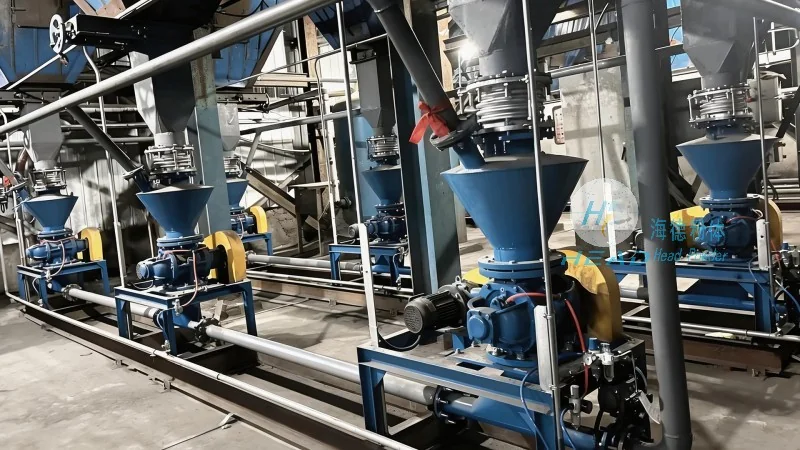
Shandong HeadPowder Engineering Co., Ltd., commonly known as HeadPowder, is a leading provider of specialized conveying solutions for industrial powders. With a focus on customizing systems to meet specific client needs, HeadPowder designs and manufactures copper sulfate powder conveying lines that are tailored to the unique requirements of each application. The company's expertise lies in understanding the material properties of copper sulfate and translating them into effective conveying solutions. By working closely with clients, HeadPowder ensures that the final system not only meets operational efficiency goals but also adheres to safety and environmental standards.
HeadPowder's approach to copper sulfate powder conveying line design involves a comprehensive process that starts with a thorough analysis of the client's operational needs. This includes assessing the volume of material to be transported, the distance it needs to travel, and the specific environmental conditions of the facility. Based on this analysis, the company selects the most appropriate components and configurations for the conveying line. For example, if the material is to be transported over a long distance, a pneumatic conveyor might be recommended, while a screw conveyor could be suitable for shorter, horizontal transport.
During the implementation phase, HeadPowder's team of engineers and technicians ensures that all components are installed and commissioned correctly. This includes checking the feeder's performance, verifying the conveyor's speed and capacity, and ensuring that the dust collection system is functioning as intended. The company also provides ongoing support and maintenance services to ensure that the conveying line continues to operate efficiently over time. By leveraging their expertise and commitment to quality, HeadPowder helps clients achieve reliable and cost-effective copper sulfate powder handling solutions.




