Gypsum, a widely used industrial material, often requires efficient and reliable conveying systems for its granular form. Understanding the process of gypsum granular material conveying and the underlying design principles is crucial for optimizing material handling in various industrial applications. This article aims to provide a comprehensive overview of gypsum granular material conveying, exploring the key aspects of its design and operational considerations.
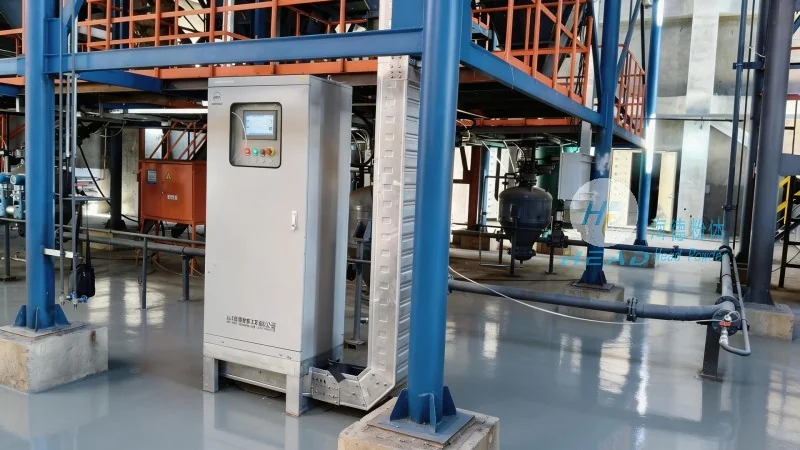
Introduction to Gypsum Granular Material Conveying
Gypsum granular material conveying refers to the process of transporting gypsum in its granular form from one location to another within industrial settings. This material, commonly used in construction, agriculture, and pharmaceutical industries, presents unique challenges due to its particle size, density, and flow characteristics. Effective conveying systems must address these challenges to ensure smooth and efficient material movement, minimizing downtime and operational costs.
Key Components of Gypsum Conveying Systems
The design of a gypsum granular material conveying system typically involves several key components that work in tandem to achieve efficient material transport. These components include feeders, conveyors, and control systems, each playing a critical role in the overall operation. Feeders are responsible for uniformly feeding the gypsum granules into the conveyor, ensuring consistent flow rates. Conveyors, such as belt conveyors or screw conveyors, then transport the material along the designated path. Control systems monitor and regulate the entire process, adjusting parameters as needed to maintain optimal performance.
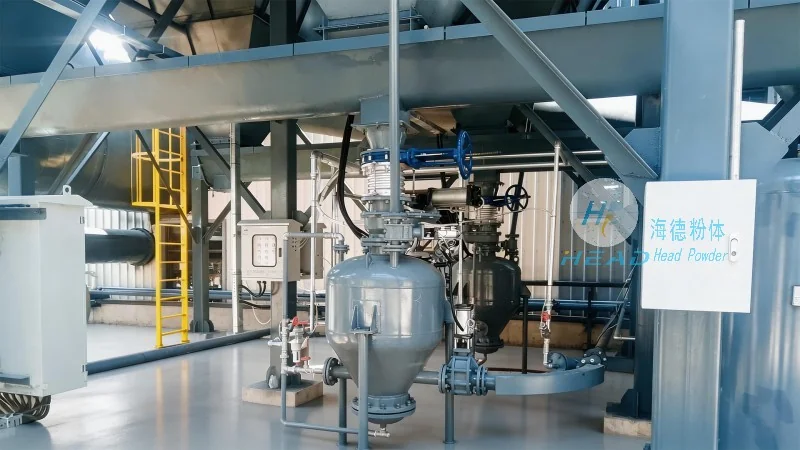
Design Principles for Gypsum Granular Conveying
The design principles for gypsum granular material conveying focus on several critical factors to ensure the system operates efficiently and safely. First, the system must be designed to handle the specific physical properties of gypsum granules, including their particle size distribution, bulk density, and flowability. This involves selecting appropriate equipment that can accommodate these characteristics without causing blockages or material degradation. Second, the system should be constructed from materials that are resistant to corrosion and wear, as gypsum can be abrasive and may contain moisture that could lead to rust or material buildup. Third, the design must consider the overall layout and space constraints of the industrial facility, ensuring the conveyor system fits seamlessly into the existing infrastructure.
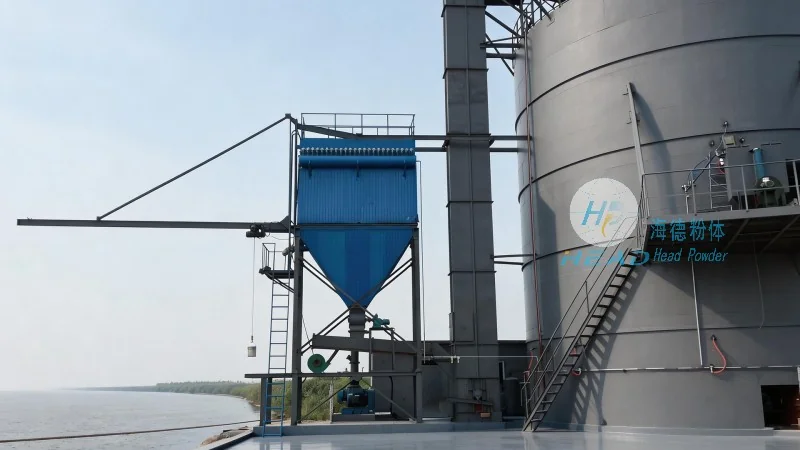
HeadPowder's Expertise in Gypsum Conveying Solutions
Shandong HeadPowder Engineering Co., Ltd., a leading provider of material handling solutions, specializes in designing and manufacturing gypsum granular material conveying systems tailored to the specific needs of industrial clients. With years of experience in the field, HeadPowder has developed a deep understanding of the unique challenges associated with gypsum handling and has engineered solutions that address these challenges effectively. The company's team of engineers and technicians work closely with clients to assess their material handling requirements, providing customized solutions that enhance operational efficiency and reduce costs.
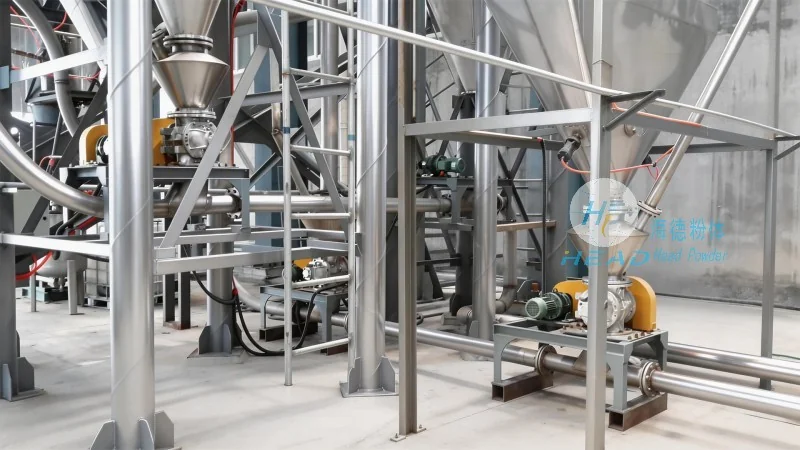
Applications of Gypsum Granular Conveying
Gypsum granular material conveying is widely used in various industries, including construction, where it is used in the production of gypsum boards and plaster. In agriculture, gypsum is used as a soil conditioner to improve soil structure and fertility. The pharmaceutical industry also utilizes gypsum in the manufacturing of certain medications. Each of these applications requires a specialized conveying system that is designed to handle the specific characteristics of the gypsum granules used in that industry.
Conclusion and Future Considerations
Gypsum granular material conveying is a critical process in many industrial applications, and the design principles behind these systems are essential for ensuring efficient and reliable material handling. By understanding the key components and design considerations, industrial facilities can select and implement the most appropriate conveying systems for their needs. As technology advances, there is a growing emphasis on developing more sustainable and energy-efficient conveying solutions, which will likely shape the future of gypsum granular material handling.




