

What is a Chromium(III) Oxide Powder Pneumatic Conveying System? And What Are Its Design Principles?
Chromium(III) oxide, also known as chromium sesquioxide, is a chemical compound with the formula Cr₂O₃. It is a greenish-black solid widely used in industrial applications such as pigments, catalysts, and as a precursor for other chromium compounds. The efficient handling and transportation of this fine powder are critical for industrial processes, and a specialized system known as a chromium(III) oxide powder pneumatic conveying system is essential for this purpose. This article will explore what such a system is and delve into its fundamental design principles.
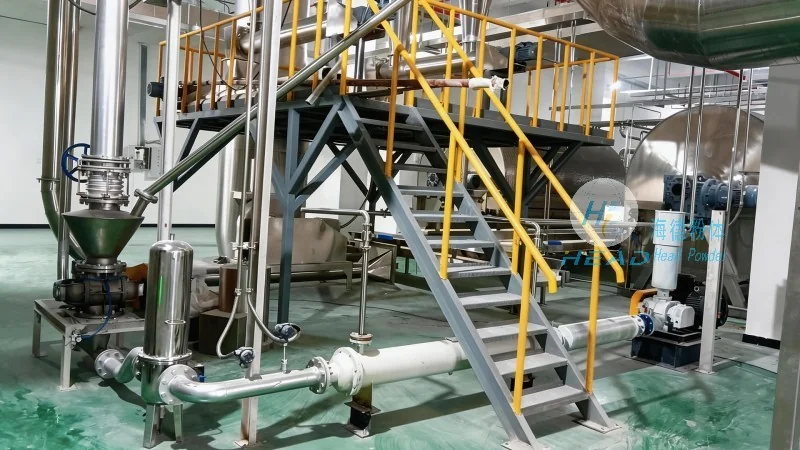
Understanding the Chromium(III) Oxide Powder Pneumatic Conveying System
A chromium(III) oxide powder pneumatic conveying system is a technology that transports fine powders like chromium(III) oxide through a pipeline using a gas stream, typically air or other gases. The system is vital for industrial operations requiring safe and efficient powder movement. It operates by creating a gas flow that carries powder particles through the pipeline, eliminating the need for mechanical components like belts or buckets that could cause contamination or damage to the powder.
Key Components of the Pneumatic Conveying System
The design of a chromium(III) oxide powder pneumatic conveying system involves several critical components working in unison. The main components include a material feeder, a gas source (such as a blower or compressor), a pipeline system, and a receiver or discharge unit. The material feeder feeds the chromium(III) oxide powder at a controlled rate, preventing overloading or clogging. The gas source provides the necessary pressure and flow rate to move the powder. The pipeline is typically made of corrosion- and abrasion-resistant materials, as chromium(III) oxide can be abrasive and cause wear. The receiver or discharge unit collects or discharges the powder, often equipped with filters to prevent dust emissions and comply with environmental regulations.
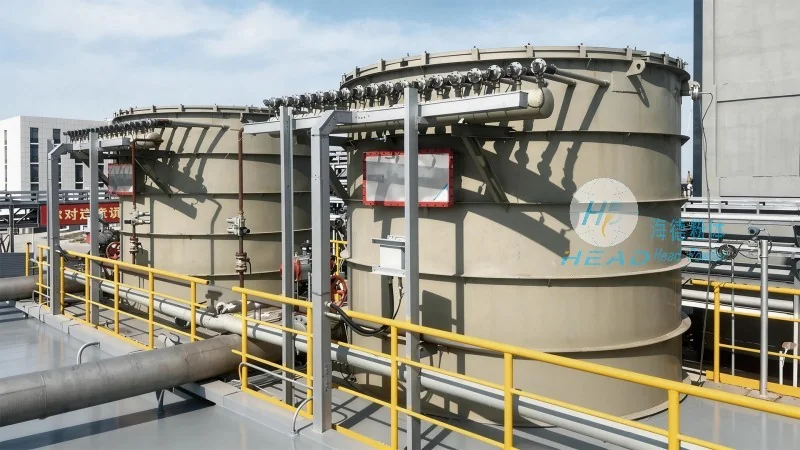
Design Principles for Efficient Powder Conveying
The design principles of a chromium(III) oxide powder pneumatic conveying system focus on achieving optimal performance, reliability, and safety. A primary principle is selecting the appropriate gas velocity—high enough to prevent powder settling or clogging but low enough to avoid excessive wear and energy consumption. The system's design also considers the powder's particle size and density, as these influence the required gas velocity and pressure. For fine powders like chromium(III) oxide, a higher gas velocity is often needed to maintain suspension. Another key principle is minimizing pressure drop, which is the pressure loss as gas and powder travel through the pipeline. Proper design reduces energy costs and ensures consistent performance. The system also incorporates features to handle feed rate variations, such as surge tanks or hopper designs that accommodate fluctuations without disrupting the conveying process.
Advantages of Using a Pneumatic Conveying System for Chromium(III) Oxide
Implementing a chromium(III) oxide powder pneumatic conveying system offers advantages over traditional mechanical methods. A significant advantage is the closed system, which prevents dust emissions and maintains a clean environment—critical for chromium(III) oxide, as it can be hazardous if inhaled or if it contacts skin. The closed system also protects the powder from contamination, ensuring purity and meeting quality standards. Additionally, pneumatic systems are flexible and easily integrated into existing processes, transporting powder over long distances and through complex layouts without multiple transfer points. The system offers precise control over the conveying rate, vital for applications like catalyst use or pigment production where consistency is key.
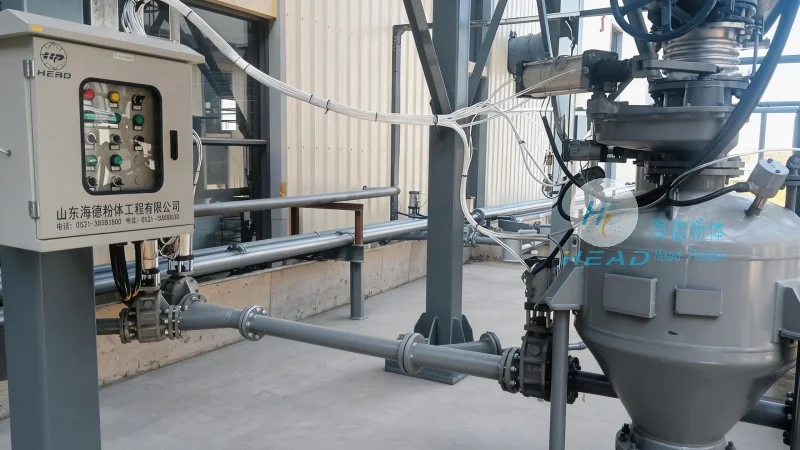
Considerations for System Maintenance and Safety
Designing and operating a chromium(III) oxide powder pneumatic conveying system requires attention to maintenance and safety. Regular maintenance prevents failures and ensures consistent operation, including checking pipeline condition, feeder integrity, and gas source performance. Safety features like dust collection systems and filters are essential to capture escaped powder and comply with environmental regulations. If using flammable gas, explosion-proof components are necessary due to the combustible powder-gas mixture. Operator training on safe system operation is also crucial to minimize accidents.
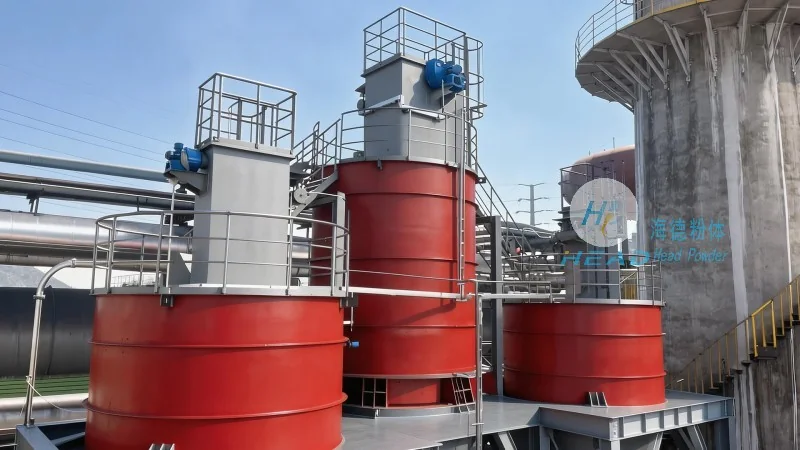
Application Examples in Industrial Settings
The system is used in various industrial applications, including pigment production (where chromium(III) oxide is a green pigment), chemical industry (as a catalyst), and electronics manufacturing (as a precursor). These applications highlight the system's role in maintaining process quality and efficiency. For companies like Shandong HeadPowder Engineering Co., Ltd., specializing in powder handling engineering, the system is a key solution for delivering chromium(III) oxide safely and effectively.
Conclusion: The Importance of a Well-Designed Pneumatic Conveying System
In summary, a chromium(III) oxide powder pneumatic conveying system is vital for efficient and safe fine powder handling in industrial settings. Its design principles, components, and operational considerations ensure effective transport of chromium(III) oxide. By implementing these principles, industries improve production processes, reduce costs, and comply with safety and environmental regulations. The system's ability to handle chromium(III) oxide's unique properties—abrasiveness and health hazards—makes it essential for companies like Shandong HeadPowder Engineering Co., Ltd. Proper design and maintenance ensure long-term reliability, contributing to the success of industrial operations.