Methylcellulose, a versatile non-ionic cellulose ether, is widely used in various industrial applications due to its excellent film-forming, thickening, and stabilizing properties. The efficient handling and transportation of methylcellulose are crucial for maintaining product quality and operational efficiency. Air-flow conveying, as a key technology in powder handling, offers a solution that aligns with the material's characteristics and process requirements. This article explores the fundamental principles of air-flow conveying for methylcellulose and highlights its distinctive application scenarios.
Principles of Air-Flow Conveying
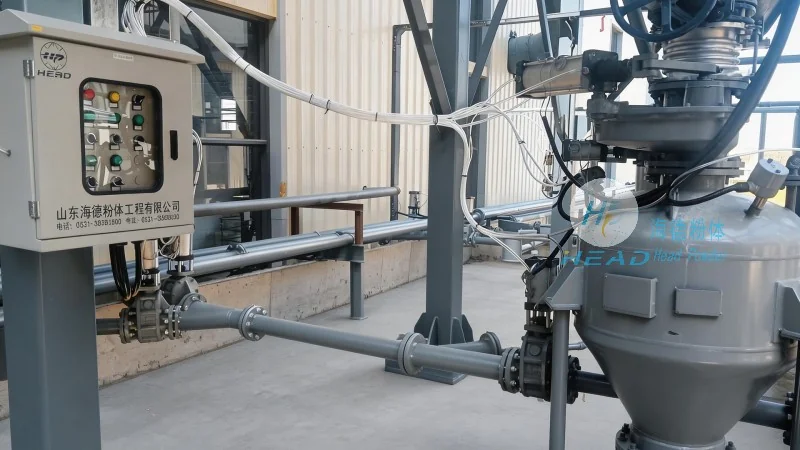
At its core, air-flow conveying utilizes a combination of air movement and mechanical components to transport bulk materials like methylcellulose. The process typically involves a hopper or storage bin where the material is fed into a pipeline. A fan or blower generates a controlled airflow that lifts and transports the powder through the system. Key components include the inlet hopper, the conveying line, and the discharge outlet. The velocity of the air and the design of the pipeline are critical factors that determine the efficiency and effectiveness of the conveying process. For methylcellulose, which is a fine powder with specific flow characteristics, the air-flow system must be optimized to prevent clogging, ensure uniform particle suspension, and maintain consistent flow rates. The principle of dilute-phase conveying is often employed, where the powder is suspended in the air stream, minimizing the risk of blockages and ensuring smooth transport from the source to the destination.
Key Components and System Design
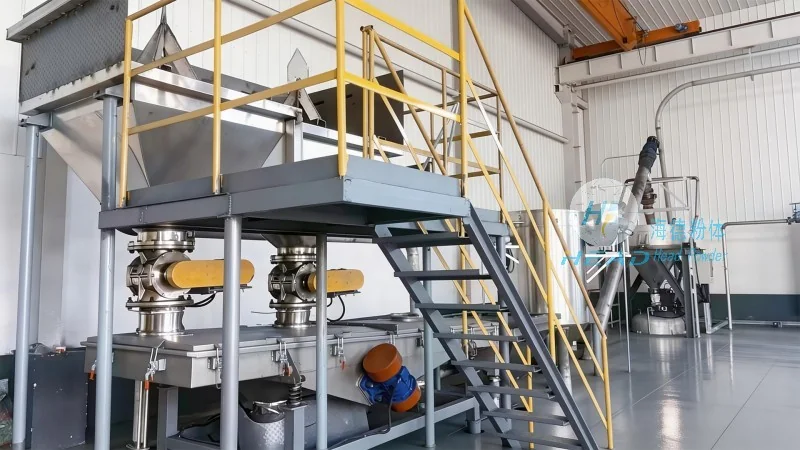
The air-flow conveying system for methylcellulose consists of several essential components that work in tandem to achieve reliable operation. The inlet hopper is designed to feed the material into the conveying line, often equipped with a rotary valve or feeder to control the flow rate. The conveying line itself is typically made of materials that are compatible with methylcellulose, such as stainless steel or food-grade plastics, to prevent contamination and ensure durability. The fan or blower provides the necessary air pressure and volume to move the powder. The system may also include filters, cyclones, or separators to remove any fines or moisture from the air stream, maintaining the purity of the methylcellulose. The discharge outlet is designed to deliver the material to the next processing stage, such as a mixer or storage tank. Proper system design, including the selection of components and the layout of the pipeline, is vital to optimize performance and minimize energy consumption. For methylcellulose, which has a tendency to agglomerate, the system may incorporate features like vibration or agitation to maintain a free-flowing state.
Application Scenarios and Operational Advantages
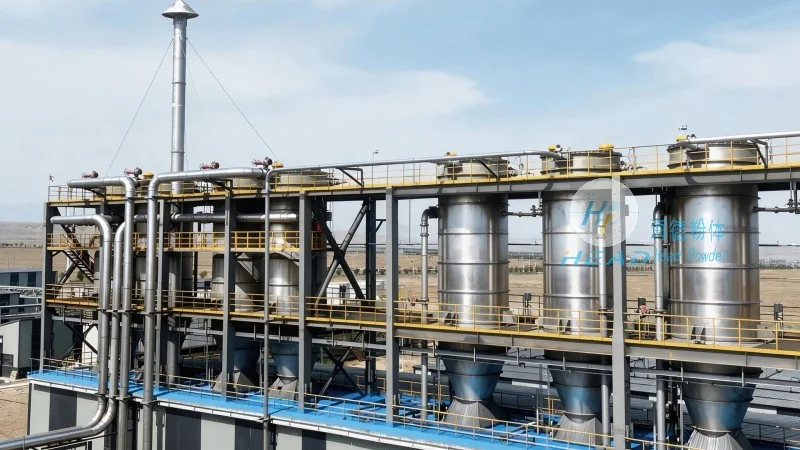
Air-flow conveying for methylcellulose is widely applied in various industrial sectors, including pharmaceuticals, food processing, and construction. In pharmaceutical manufacturing, methylcellulose is used as a binder or filler in tablet formulations. The air-flow system ensures that the powder is transported without degradation, maintaining its pharmaceutical grade quality. In food processing, methylcellulose is used as a thickener in beverages and sauces. The conveying process must be hygienic and gentle to preserve the product's flavor and texture. In construction, methylcellulose is used as a water-retaining agent in concrete. The air-flow system allows for efficient distribution of the powder to the mixing site, ensuring uniform incorporation. The operational advantages of air-flow conveying for methylcellulose include its ability to handle fine powders without the need for mechanical components that could cause wear or contamination. The system is also flexible, allowing for changes in flow rate and direction as needed. Additionally, air-flow conveying is energy-efficient compared to other methods like mechanical conveying, reducing operational costs. The ability to maintain product integrity and prevent segregation makes it an ideal choice for sensitive materials like methylcellulose.
Challenges and Mitigation Strategies
While air-flow conveying offers numerous benefits, it also presents challenges that must be addressed to ensure optimal performance. One common challenge is the tendency of methylcellulose to agglomerate, which can lead to blockages in the conveying line. To mitigate this, the system may include vibration or agitation devices to break up clumps and maintain a free-flowing state. Another challenge is the risk of dust generation and air pollution. Proper filtration and dust collection systems are essential to comply with environmental regulations and maintain a safe working environment. The system must also be designed to handle variations in material moisture content, as high moisture can affect the flow characteristics and increase the risk of clogging. Regular maintenance and cleaning of the components are necessary to prevent buildup and ensure consistent performance. By addressing these challenges through proper system design and maintenance, air-flow conveying can be an effective and reliable method for handling methylcellulose.
Conclusion
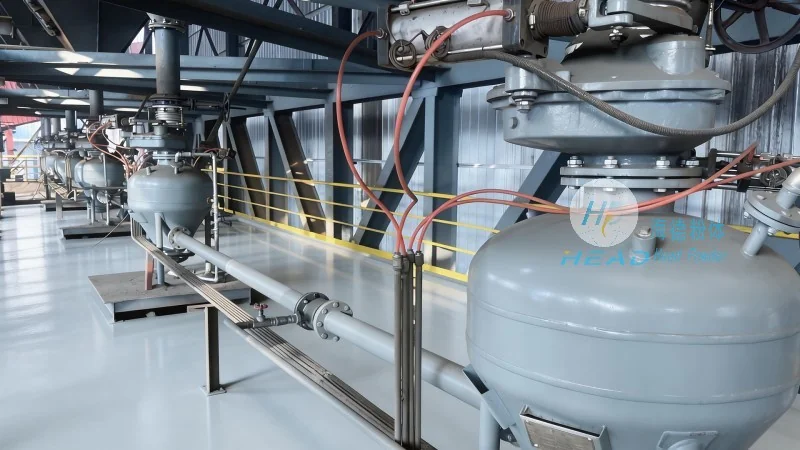
Air-flow conveying is a sophisticated and efficient method for transporting methylcellulose, leveraging the principles of air movement and mechanical design to maintain product quality and operational efficiency. The system's ability to handle fine powders without mechanical wear, combined with its flexibility and energy efficiency, makes it a preferred choice in various industries. By understanding the fundamental principles and application scenarios of air-flow conveying, manufacturers can optimize their processes and enhance productivity. As a leading provider in the field, Shandong HeadPowder Engineering Co., Ltd. specializes in designing and implementing air-flow conveying systems tailored to the specific needs of methylcellulose applications, ensuring reliable and cost-effective material handling solutions.




