PTA powder conveying machines are vital equipment in the chemical and industrial sectors, particularly for managing PTA (polyethylene terephthalate) powders. These machines are engineered to efficiently transport PTA powder from storage to processing units, ensuring smooth and reliable operation in production lines. The technology behind these machines combines advanced engineering principles with practical application, making them a critical component for industries that rely on PTA as a raw material.
The Core Principles of PTA Powder Conveying
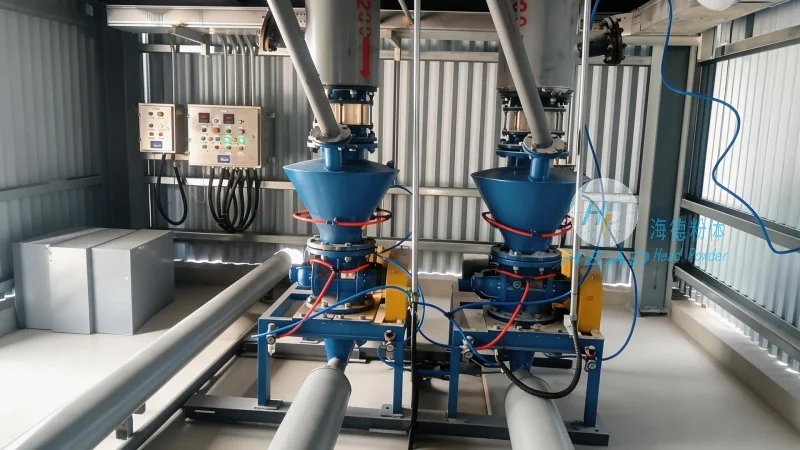
The operation of PTA powder conveying machines is based on several fundamental principles that ensure effective material handling. One of the primary mechanisms is the use of positive displacement or pneumatic systems, which generate pressure to move the powder through pipelines. These systems often incorporate components such as rotary valves, screw conveyors, or airlocks to control the flow and prevent material buildup. The design of the conveying system is tailored to the physical properties of PTA powder, including its density, flowability, and potential for static electricity. By addressing these characteristics, the machines minimize issues like caking or blockages, which can disrupt production.
Key Working Scene Characteristics
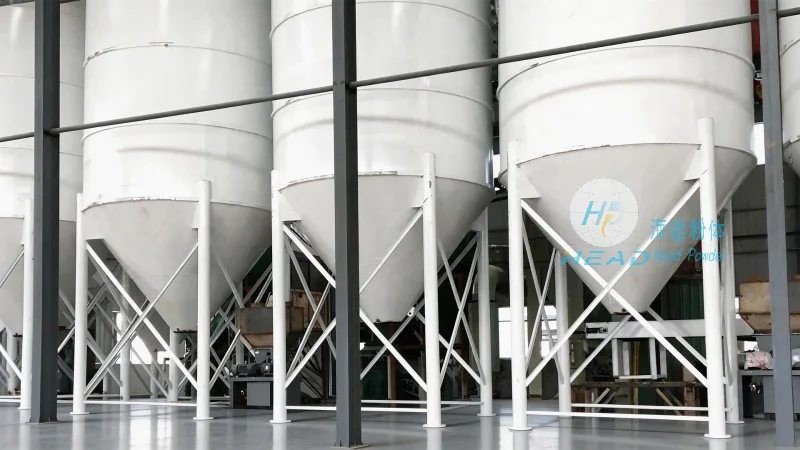
The working scene characteristics of PTA powder conveying machines vary significantly based on the application and industry. In the textile and packaging industries, for example, these machines are used to transport PTA powder to extrusion or polymerization units, where it is converted into polymer resins. The efficiency of the conveying process directly impacts the overall production rate and product quality. In chemical manufacturing plants, the machines may operate in high-temperature or high-pressure environments, requiring robust construction and corrosion-resistant materials. The design also considers factors like dust control and safety, as PTA powder can be hazardous if not handled properly. Additionally, the scalability of the conveying systems allows them to adapt to different production volumes, from small-scale batches to large industrial operations.
Technical Advantages and Performance
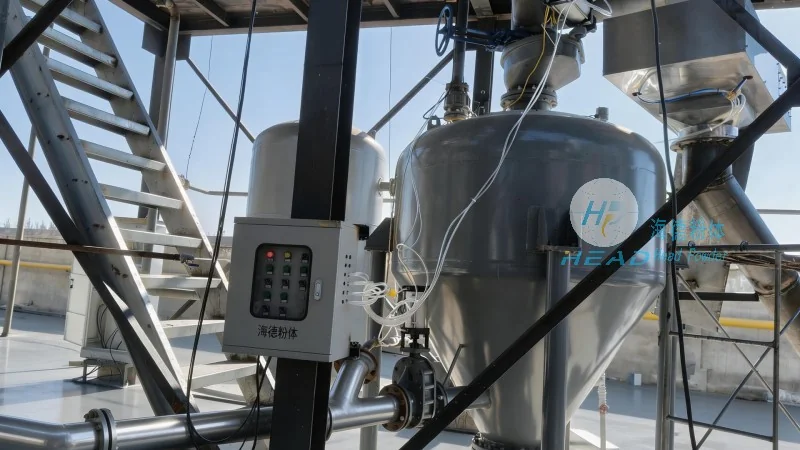
Modern PTA powder conveying machines offer several technical advantages that enhance their performance and reliability. Advanced control systems enable precise regulation of flow rates, ensuring consistent material delivery. The use of wear-resistant materials, such as stainless steel or special alloys, extends the lifespan of the equipment and reduces maintenance costs. Energy efficiency is another key aspect, as optimized designs minimize power consumption while maintaining high throughput. The integration of monitoring and diagnostic tools allows for real-time performance tracking, helping operators identify and address issues promptly. These features collectively contribute to improved operational efficiency and reduced downtime in industrial settings.
Application Examples and Industry Impact
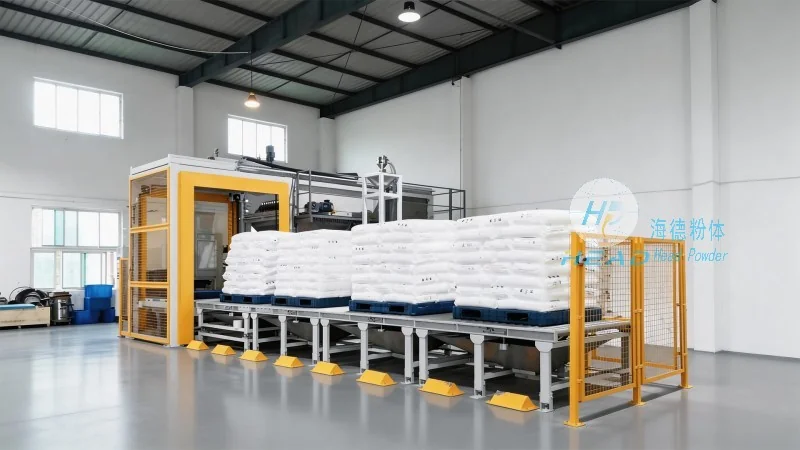
PTA powder conveying machines are widely used across various industries, demonstrating their versatility and adaptability. In the polyester fiber production sector, the machines efficiently transport PTA powder to spinning machines, where it is processed into fibers for textiles. In the beverage and packaging industry, the technology is employed to move PTA powder to molding machines, which produce plastic containers and bottles. The consistent performance of these machines ensures that production lines run smoothly, meeting demand for high-quality PTA-based products. The reliability of the conveying systems also contributes to cost savings, as reduced downtime and maintenance lead to lower operational expenses. Furthermore, the ability to handle large volumes of PTA powder makes these machines suitable for both small and large-scale manufacturing operations.




