HeadPowder, a leading provider of specialized engineering solutions, specializes in the design, manufacturing, and integration of advanced powder handling systems. With a focus on safety, efficiency, and reliability, the company’s products are tailored to meet the demanding requirements of industries that process hazardous or moisture-sensitive materials like ammonium nitrate.
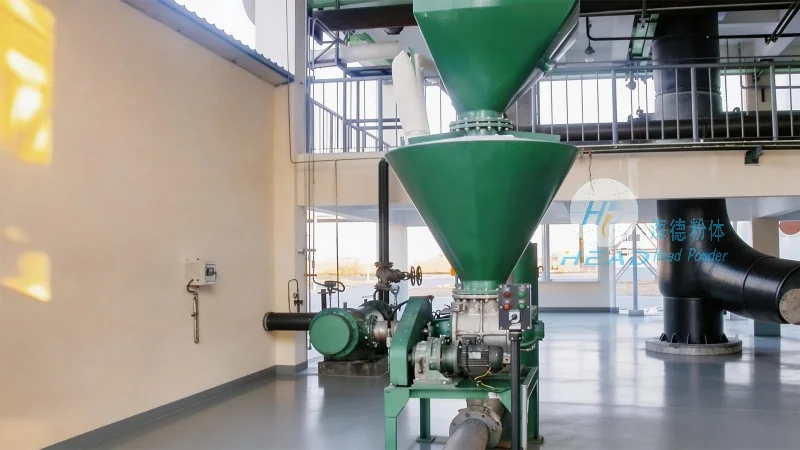
Ammonium Nitrate Powder Handling Systems with Moisture Content: Technical Overview
Ammonium nitrate (AN) is a widely used industrial chemical, often in its granular or powder form. When processed with moisture content, the material’s handling characteristics change, requiring specialized equipment to maintain product integrity and operational safety. The systems developed by Shandong HeadPowder Engineering Co., Ltd. address these challenges through a combination of innovative design and robust engineering principles.
The core of the system involves a series of components that work in tandem to ensure efficient and safe transport of moisture-rich ammonium nitrate. Key elements include feed hoppers, conveyor mechanisms, and control systems that are engineered to handle the material’s tendency to clump or adhere under certain conditions. The equipment is designed to minimize material degradation, prevent clogging, and maintain consistent flow rates, which are critical for downstream processing applications.
System Working Principle: How the Equipment Processes Moisture-Rich Ammonium Nitrate
The operation of the powder handling system begins with the material being fed into a hopper equipped with a moisture control mechanism. This initial stage ensures that the material is properly conditioned before entering the conveyor system. The conveyor, typically a screw or belt design, moves the ammonium nitrate through the system while maintaining a controlled environment to prevent moisture evaporation or material separation. Sensors and monitoring devices are integrated to track parameters such as temperature, humidity, and flow rate, providing real-time data for process optimization and safety management.
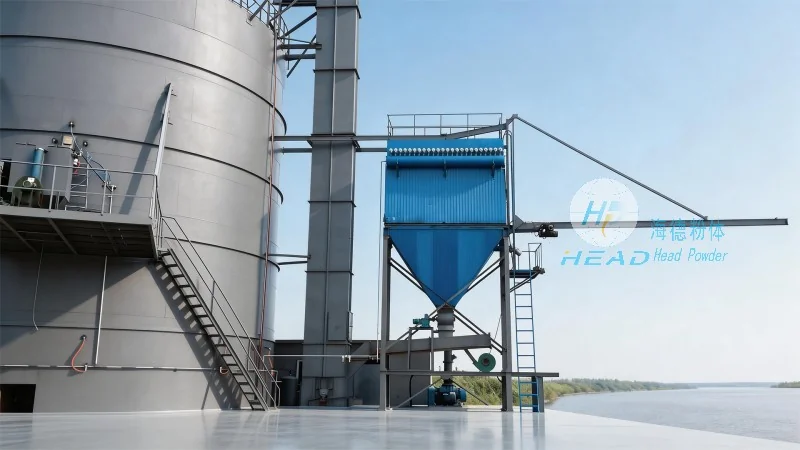
One of the key innovations in these systems is the use of specialized seals and bearings that are resistant to the corrosive effects of ammonium nitrate and moisture. This design minimizes wear and tear, extending the equipment’s lifespan and reducing maintenance costs. Additionally, the system incorporates safety features such as emergency shut-off valves and overfill protection to mitigate risks associated with handling potentially explosive or hazardous materials.
Operational Scenarios: Applications and Use Cases in Industrial Settings
The systems are deployed in various industrial settings where the handling of moisture-rich ammonium nitrate is essential. Common applications include fertilizer production, where the material is processed into granules or prills, and chemical manufacturing, where it serves as a raw material for other compounds. In these scenarios, the equipment’s ability to maintain consistent moisture levels and prevent material degradation is crucial for product quality and regulatory compliance.
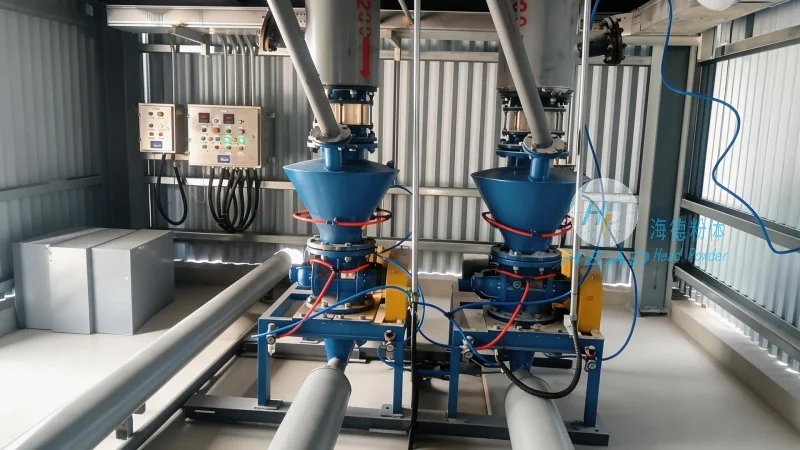
For example, in fertilizer plants, the system ensures that the ammonium nitrate feedstock is delivered to the granulation process without clumping or moisture loss, which could affect the final product’s composition and performance. Similarly, in chemical plants, the system supports the production of nitric acid or other nitrogen-based compounds by providing a stable feed of ammonium nitrate to reactors. The versatility of the system allows it to adapt to different production scales, from small-scale batch processing to large-scale continuous operations.
Key Features and Benefits for Industrial Clients
Shandong HeadPowder Engineering Co., Ltd. offers several advantages with its ammonium nitrate powder handling systems. The equipment is designed for high efficiency, with minimal energy consumption and low maintenance requirements. The use of corrosion-resistant materials and advanced sealing technologies reduces operational downtime and maintenance costs over the system’s lifecycle. Additionally, the systems are customizable to meet specific client requirements, including different material feed rates, hopper sizes, and control system configurations.
Another significant benefit is the enhanced safety provided by the integrated monitoring and control features. Real-time data from sensors allows operators to detect and address issues such as overfilling or abnormal flow rates promptly, reducing the risk of accidents and ensuring compliance with safety regulations. The systems also contribute to environmental sustainability by minimizing material waste and optimizing energy usage, aligning with modern industrial practices focused on efficiency and responsibility.




