Soil material conveying lines are essential systems in various industrial and construction applications, designed to transport bulk materials such as soil, sand, gravel, and other earthy substances efficiently. These systems play a crucial role in optimizing material handling processes, enhancing operational efficiency, and reducing labor costs in different working environments. The core components and operational principles of soil material conveying lines are tailored to meet the specific demands of diverse work scenarios, ensuring reliable and continuous material transport. HeadPowder, a leading provider of engineering solutions, specializes in designing and manufacturing high-quality soil material conveying lines that cater to the unique needs of clients across various industries.
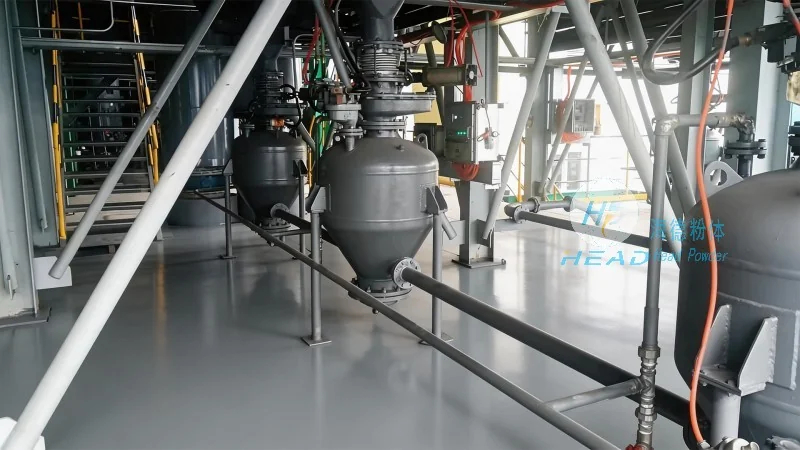
Core Principles of Soil Material Conveying Systems
The fundamental principle behind soil material conveying lines is the mechanical transfer of bulk materials from a source to a destination through a series of interconnected components. These systems typically include feeders, conveyors (like belt conveyors, screw conveyors, or chain conveyors), and control mechanisms that regulate the flow and speed of material movement. The design of the conveying line is based on factors such as material characteristics (e.g., particle size, moisture content, density), the distance to be covered, and the required throughput. By integrating these elements, the system ensures smooth and consistent material transport, minimizing downtime and maximizing productivity.
Working Scene Characteristics of Soil Material Conveying Lines
Soil material conveying lines are widely applied in various working scenes, each with distinct characteristics that influence the system's design and operation. For instance, in construction sites, these systems are used to transport excavated soil from excavation areas to disposal or processing locations, facilitating site cleanup and material reuse. In mining operations, they help move earth and ore from the extraction site to processing facilities, supporting the extraction and processing of mineral resources. Additionally, in agricultural settings, soil material conveyors assist in moving soil for landscaping, farming, or soil conditioning projects, improving land management efficiency. Each working scene requires tailored solutions to address specific challenges, such as uneven terrain, varying material loads, or environmental constraints.
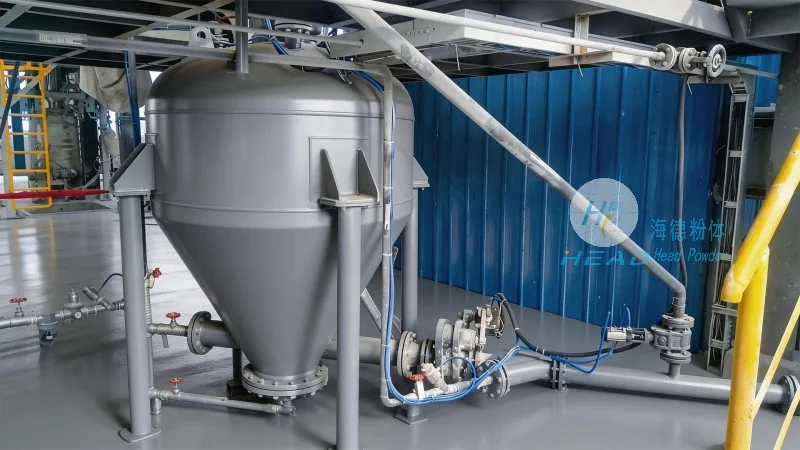
Key Components and Their Functions
The effectiveness of a soil material conveying line depends on the integration of several key components, each serving a specific function in the material handling process. The feeder is the initial component that receives and regulates the flow of material from the source, ensuring a consistent feed rate to the conveyor. The conveyor itself, which can be a belt conveyor, screw conveyor, or chain conveyor, is responsible for transporting the material along the designated path. Belt conveyors are commonly used for horizontal or slight incline transport due to their high load capacity and low maintenance requirements. Screw conveyors are ideal for vertical or inclined transport, as they can handle materials with higher moisture content and are suitable for compact spaces. Chain conveyors offer flexibility in handling irregularly shaped materials and are often used in applications requiring precise positioning or sorting. The control system, including sensors and actuators, monitors the conveyor's performance, adjusts speed and tension, and ensures safe operation by detecting overloads or blockages.
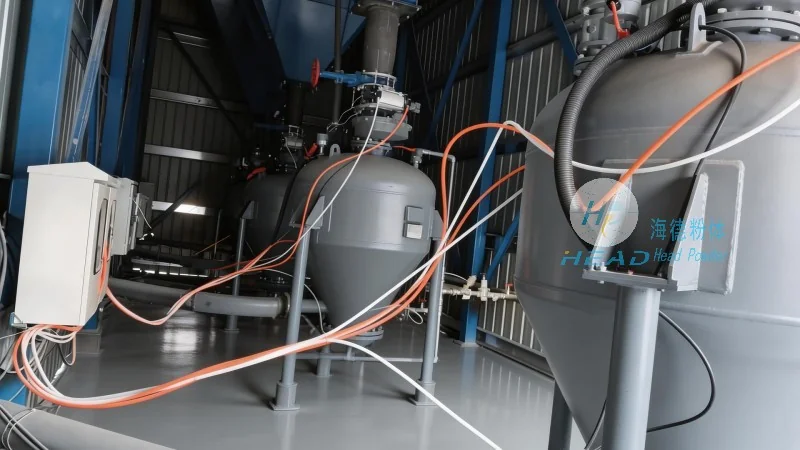
Advantages of Soil Material Conveying Lines
Implementing soil material conveying lines offers numerous advantages in industrial and construction settings. Firstly, they significantly enhance operational efficiency by automating material transport, reducing the need for manual labor and minimizing human error. This leads to faster project completion and lower labor costs. Secondly, these systems improve safety by eliminating the need for workers to handle heavy or bulky materials manually, reducing the risk of injuries and accidents. Thirdly, soil material conveyors are highly versatile and can be adapted to various working environments, making them suitable for both indoor and outdoor applications. They also contribute to environmental sustainability by reducing dust and noise pollution compared to traditional manual handling methods. Additionally, the consistent and controlled transport of materials ensures better quality control in processing operations, such as sorting or mixing, leading to higher product quality.
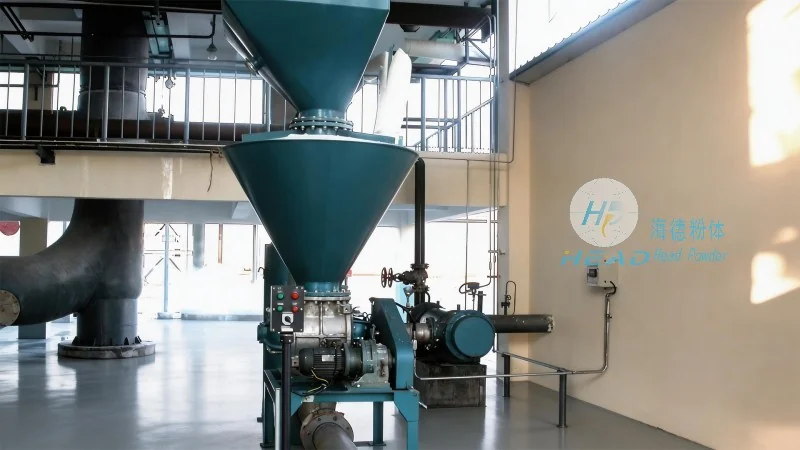
Application Examples and Case Studies
Real-world applications of soil material conveying lines demonstrate their effectiveness in different industries. In a large-scale construction project, a belt conveyor system was used to transport excavated soil from the excavation site to a disposal area, covering a distance of over 500 meters. The system was designed with a high-capacity belt and a robust frame to handle the heavy load, and it operated continuously for 24 hours a day, ensuring timely completion of the project. In a mining operation, a screw conveyor was integrated into the material processing line to transport ore from the extraction site to the crushing and screening equipment. The screw conveyor's ability to handle wet and sticky materials was crucial, as it prevented blockages and ensured smooth material flow. In an agricultural project, a chain conveyor was used to move soil for landscaping, allowing precise placement of soil in designated areas. The conveyor's adjustable speed and positioning capabilities enabled efficient soil distribution, reducing the time required for site preparation.
Conclusion and Future Developments
Soil material conveying lines are indispensable tools in modern industrial and construction practices, offering efficient and reliable solutions for bulk material transport. By understanding the core principles and working scene characteristics of these systems, businesses can optimize their material handling processes, enhance productivity, and improve overall operational efficiency. As technology advances, future developments in soil material conveying lines may include the integration of automation and artificial intelligence, enabling more intelligent and adaptive systems that can respond to changing conditions in real-time. Additionally, advancements in materials and design may lead to more durable and energy-efficient conveying systems, further reducing operational costs and environmental impact. The continued evolution of soil material conveying lines will undoubtedly play a vital role in supporting the growth and sustainability of various industries.




