Shandong HeadPowder Engineering Co., Ltd., a professional manufacturer based in Shandong, China, specializes in the design and production of advanced material conveying systems tailored for the compound fertilizer industry. This article delves into the fundamental principles and operational characteristics of compound fertilizer material conveying lines, highlighting how these systems enhance efficiency and reliability in fertilizer production and handling processes.
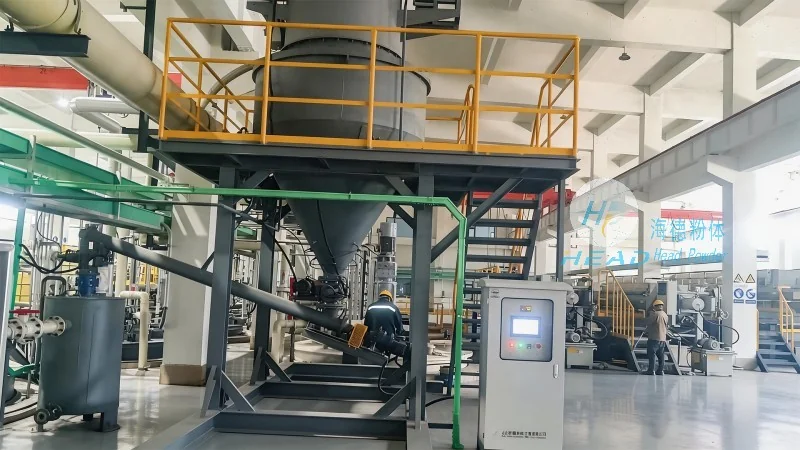
Principle of Compound Fertilizer Material Conveying Lines
The core principle of a compound fertilizer material conveying line lies in its ability to transport bulk materials, such as nitrogen, phosphorus, and potassium compounds, from storage areas to processing units or packaging stations. These systems typically integrate multiple components, including feed hoppers, conveyor belts or screw conveyors, control panels, and safety mechanisms. The feed hopper collects raw materials from storage silos or trucks, while the conveyor mechanism (either belt-based or screw-driven) moves the material through the system with precision. A programmable logic controller (PLC) or similar control system regulates the speed, direction, and flow rate of the conveyor, ensuring consistent material delivery. Additionally, safety features like overload protection and emergency stop buttons are integrated to prevent accidents and maintain operational safety.
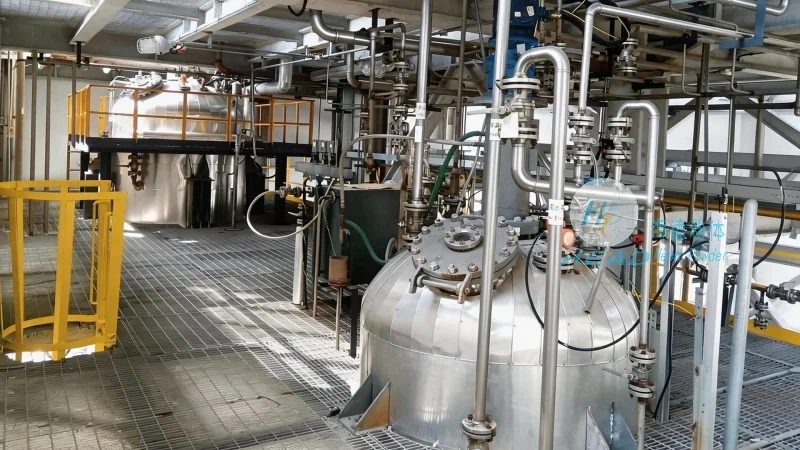
Working Scene Characteristics of Compound Fertilizer Material Conveying Lines
The operational characteristics of compound fertilizer material conveying lines are tailored to the specific demands of fertilizer production environments. These systems are designed to handle abrasive and granular materials, which can be challenging for standard conveying equipment. Key characteristics include high durability, as the components are constructed from corrosion-resistant materials like stainless steel or high-strength alloys to withstand the chemical properties of fertilizers. The systems also feature modular designs, allowing for easy integration into existing production lines or expansion as production scales up. Furthermore, the conveying lines are engineered for low maintenance, with easy access to components for cleaning and repairs, reducing downtime and operational costs. Environmental considerations are also addressed, with dust suppression systems and sealed enclosures to minimize emissions and comply with industrial regulations.
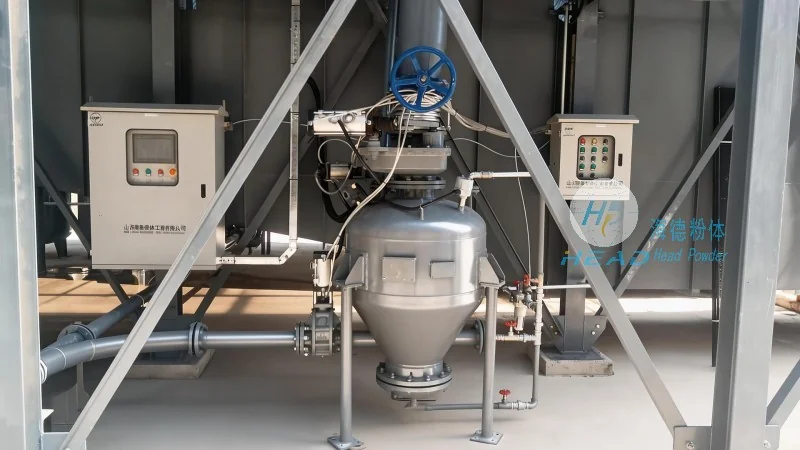
Application Scenarios and Operational Efficiency
Compound fertilizer material conveying lines are widely used in various stages of the fertilizer production process. In the initial stage, they transport raw materials from storage silos to mixing or granulation units. During the intermediate processing phase, the lines move partially processed materials between different production stages, such as from granulation to coating or packaging. In the final stage, the conveying systems deliver finished fertilizer products to packaging machines or storage areas. The efficiency of these systems is critical to maintaining a smooth production flow, as any disruption in material transport can lead to bottlenecks and reduced output. By ensuring consistent and reliable material delivery, the conveying lines contribute to higher overall production efficiency and lower operational costs for fertilizer manufacturers.
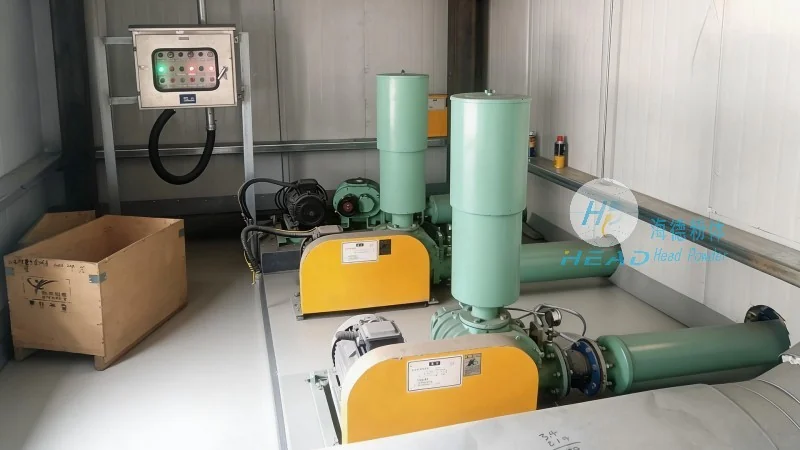
Technical Advantages and Customization Options
Shandong HeadPowder Engineering Co., Ltd. offers compound fertilizer material conveying lines with several technical advantages that enhance their performance and adaptability. One key advantage is the use of variable speed drives, which allow for precise control over material flow rates, accommodating different material types and production demands. The systems also feature advanced monitoring capabilities, including real-time data on material flow, temperature, and pressure, enabling operators to quickly identify and address issues. Additionally, the conveying lines are designed for easy integration with other production equipment, such as mixers, granulators, and packaging machines, creating a seamless production line. Customization is another significant advantage, as the company can tailor the design of the conveying line to meet specific customer requirements, including different material capacities, conveyor lengths, and control system configurations. This flexibility ensures that the systems are optimized for each individual production environment, maximizing efficiency and minimizing waste.




