Organic fertilizer material handling systems are essential components in agricultural and industrial applications, designed to efficiently transport and manage organic materials such as compost, manure, and other bio-based substances. These systems play a crucial role in optimizing the processing and distribution of organic fertilizers, ensuring that materials are handled safely, hygienically, and with minimal environmental impact. The following sections will explore the fundamental principles behind these systems and the key working scene characteristics that define their effectiveness in real-world applications.
Core Principles of Organic Fertilizer Material Handling Systems
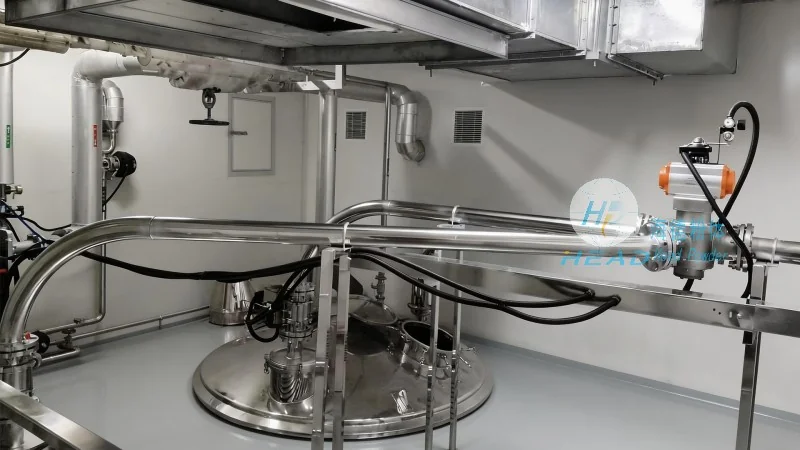
The operation of organic fertilizer material handling systems is grounded in several core principles that ensure efficient and reliable performance. First, the systems are engineered to handle a wide range of organic materials, including bulk solids like compost, liquid slurries, and semi-solid manure. This versatility is achieved through the integration of various components such as conveyors, pumps, and storage tanks, which can be customized to suit specific material properties and processing requirements. For example, materials with high moisture content may require specialized equipment like rotary dryers or belt dryers to reduce moisture levels before processing, while materials with low bulk density may need larger storage areas or more efficient feeding mechanisms to ensure consistent flow. Second, the systems prioritize hygiene and sanitation, as organic materials are often sensitive to contamination and require clean handling to maintain product quality and prevent microbial growth. This is typically achieved through the use of stainless steel construction, sealed systems, and automated cleaning processes. The use of stainless steel not only prevents corrosion but also makes the system easy to clean and sanitize, reducing the risk of cross-contamination between different batches of organic fertilizer. Third, energy efficiency is a critical principle, as these systems often operate continuously and consume significant power. Modern designs incorporate energy-saving features like variable speed drives, optimized conveyor belts, and intelligent control systems to reduce operational costs and environmental footprint. Variable speed drives allow the system to adjust the speed of components based on the material flow rate, preventing energy waste during low-demand periods. Optimized conveyor belts, with reduced friction and improved material grip, minimize energy consumption while maintaining high transport capacity. Intelligent control systems, which use sensors and data analytics to monitor system performance, can identify inefficiencies and adjust operations in real-time, further enhancing energy efficiency.
Working Scene Characteristics of Organic Fertilizer Material Handling Systems
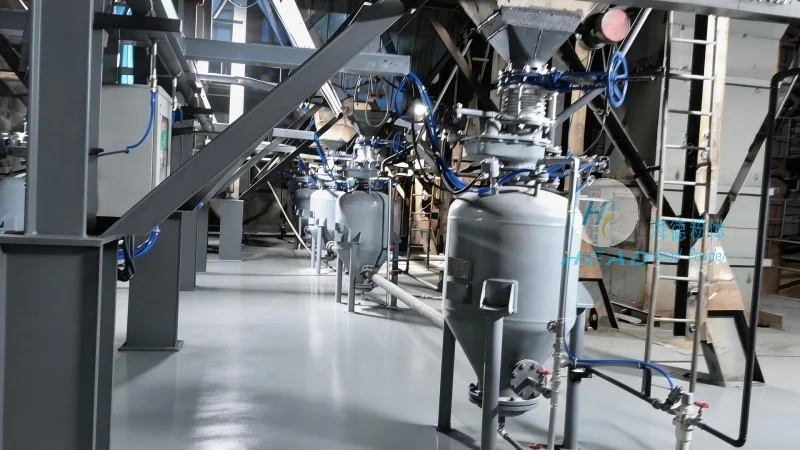
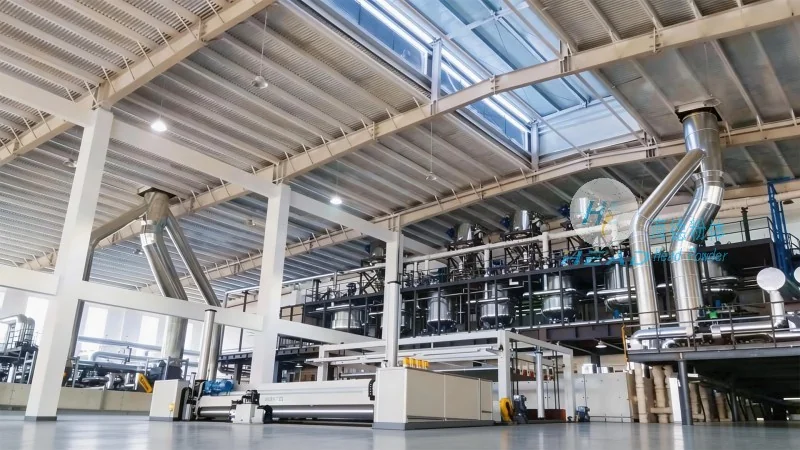
The effectiveness of organic fertilizer material handling systems is heavily influenced by the specific working scenes in which they are deployed. These characteristics vary based on the scale of operation, the type of organic material being processed, and the end-use application. For instance, in large-scale agricultural facilities, such as composting plants or livestock farms, the systems are designed to handle high volumes of material, often requiring multiple stages of processing, including reception, storage, mixing, and distribution. The working scene in these environments demands robust, heavy-duty equipment capable of withstanding continuous operation and harsh conditions. Conversely, in smaller-scale operations, such as organic garden centers or small-scale composting facilities, the systems may be more compact and modular, allowing for flexibility in space and material handling. The working scene characteristics also include the need for integration with other processing equipment, such as mixing tanks, drying ovens, or packaging machines, to form a complete organic fertilizer production line. This integration ensures seamless material flow and minimizes downtime, which is critical for maintaining production efficiency. Additionally, the working scene may involve considerations related to material handling logistics, such as the need to transport organic materials over long distances or to different storage locations, which may require the use of specialized conveyors like belt conveyors or screw conveyors.




