Shandong HeadPowder Engineering Co., Ltd. specializes in providing advanced polymer denitrification system equipment. This equipment is designed to effectively reduce nitrogen oxides (NOx) emissions from industrial processes. The company, known by the abbreviation "headpowder," is based in Shandong, China, and has established itself as a key player in the environmental technology sector with its innovative solutions for air pollution control.
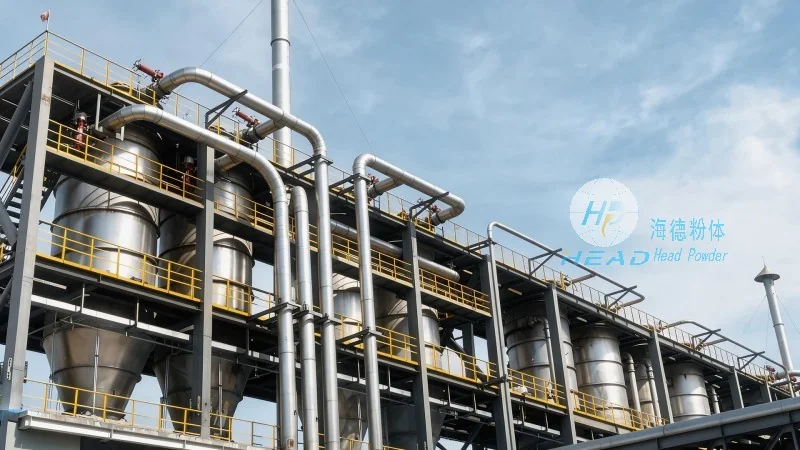
Overview of the Equipment's Operational Process
The operation of the polymer denitrification system begins with the intake of flue gas containing nitrogen oxides. The gas then passes through a series of treatment stages where the denitrification process is carried out. The system utilizes a polymer-based catalyst or adsorbent that facilitates the chemical reduction of NOx to nitrogen and water. The process typically involves pre-treatment of the gas to remove particulates and other contaminants, followed by the main denitrification reaction zone. After treatment, the cleaned gas is discharged, meeting stringent environmental emission standards.
Detailed Working Principle of the Denitrification Process
The core working principle of the polymer denitrification system relies on the selective reduction of nitrogen oxides using a polymer catalyst. The polymer material, often composed of organic or inorganic components, provides a high surface area and active sites for the reaction. In the presence of a reducing agent (such as ammonia or urea), the NOx molecules are converted through a series of chemical reactions. The polymer's structure allows for efficient mass transfer and reaction kinetics, ensuring high conversion rates and low energy consumption. The system is engineered to maintain optimal operating conditions, including temperature, pressure, and gas flow rates, to maximize the effectiveness of the denitrification process.
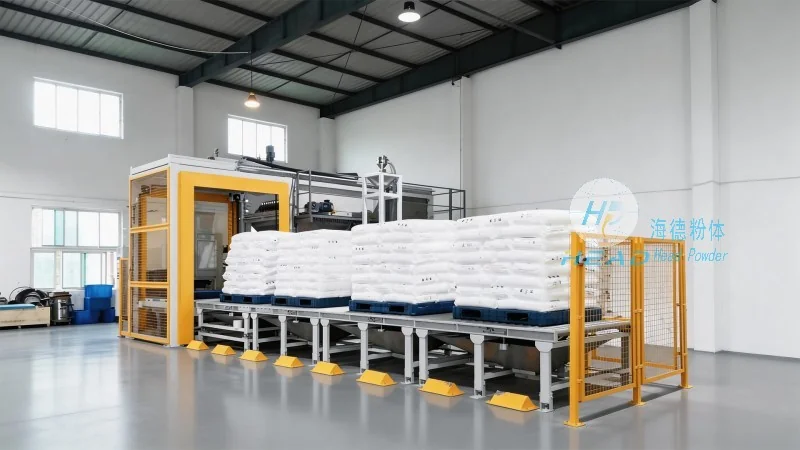
Key Components and Their Roles in the System
The polymer denitrification system consists of several critical components that work in tandem to achieve efficient NOx reduction. These include the gas inlet and pre-treatment unit, the polymer catalyst bed, the reaction chamber, and the gas outlet. The pre-treatment unit removes particulate matter and moisture from the flue gas to prevent fouling and ensure the longevity of the polymer catalyst. The catalyst bed is where the main chemical reaction occurs, with the polymer providing the necessary active sites for the reduction of NOx. The reaction chamber is designed to maintain stable operating conditions, while the gas outlet directs the treated gas to the exhaust system. Each component is carefully designed and manufactured to meet the specific requirements of industrial applications, ensuring reliable and consistent performance.
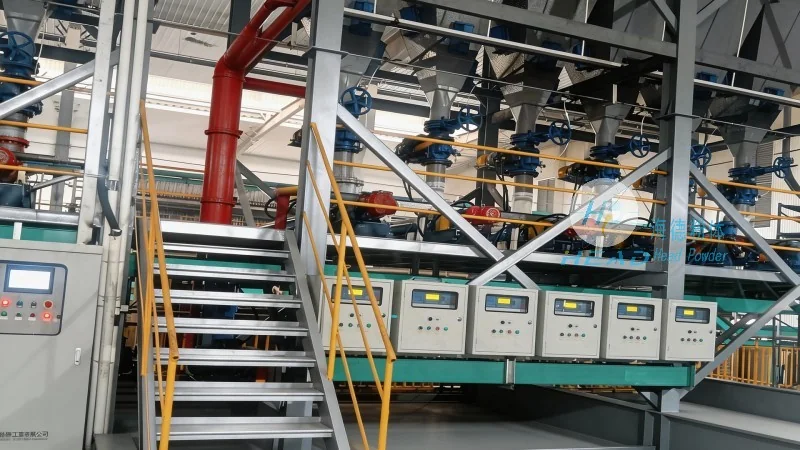
Advantages and Performance Characteristics
Shandong HeadPowder Engineering Co., Ltd.'s polymer denitrification system offers several advantages over traditional denitrification technologies. The system achieves high NOx removal efficiency, typically exceeding 90% under optimal conditions. The use of polymer catalysts provides a longer service life compared to traditional metal-based catalysts, reducing maintenance and replacement costs. Additionally, the system operates with lower energy consumption and minimal water usage, contributing to overall cost savings and environmental sustainability. The equipment is also designed for easy integration into existing industrial facilities, with modular components that can be customized to meet specific process requirements. These performance characteristics make the polymer denitrification system an attractive solution for industries seeking to comply with increasingly stringent environmental regulations.
Application and Industry Impact
The polymer denitrification system is widely used in various industrial sectors, including power generation, petrochemical, and manufacturing. In power plants, the system is employed to reduce NOx emissions from combustion processes, helping to meet national and international emission standards. In the petrochemical industry, the equipment is used to treat flue gas from processes such as reforming and cracking, where NOx control is critical for environmental compliance. The system's versatility and effectiveness have made it a preferred choice for industries looking to enhance their environmental performance and reduce their carbon footprint. By providing reliable and efficient NOx reduction solutions, Shandong HeadPowder Engineering Co., Ltd. contributes to the broader goal of sustainable industrial development and cleaner air for communities.




