Understanding the operation process and working principle of a dry flue gas desulfurization system is crucial for industries aiming to comply with environmental regulations while maintaining efficient energy production. This article provides a detailed overview of the system's functionality, focusing on the key components and the step-by-step procedures involved in its operation. The information is presented by Shandong HeadPowder Engineering Co., Ltd., a leading provider of advanced environmental solutions in China.
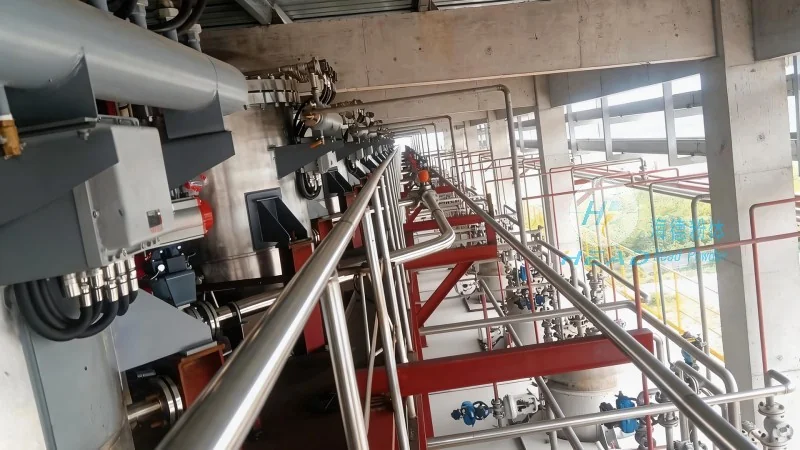
Key Components of a Dry Flue Gas Desulfurization System
A dry flue gas desulfurization (FGD) system typically consists of several critical components that work in tandem to remove sulfur dioxide (SO₂) from flue gases. The main components include the gas duct system, the desulfurization reactor, the dust removal equipment, and the reagent feeding system. Each component plays a vital role in ensuring the system operates efficiently and effectively. The gas duct system is responsible for transporting the flue gases from the boiler to the desulfurization reactor. It must be designed to handle high temperatures and pressures while minimizing pressure losses. The desulfurization reactor is the core of the system, where the actual chemical reaction takes place. Inside the reactor, the flue gases come into contact with a dry sorbent, such as limestone or calcium carbonate, which reacts with the SO₂ to form calcium sulfite or calcium sulfate. The dust removal equipment, often a bag filter or an electrostatic precipitator, is used to remove any solid particles from the gas stream before it is released into the atmosphere. The reagent feeding system ensures a consistent and controlled supply of the sorbent to the reactor, maintaining optimal reaction conditions.
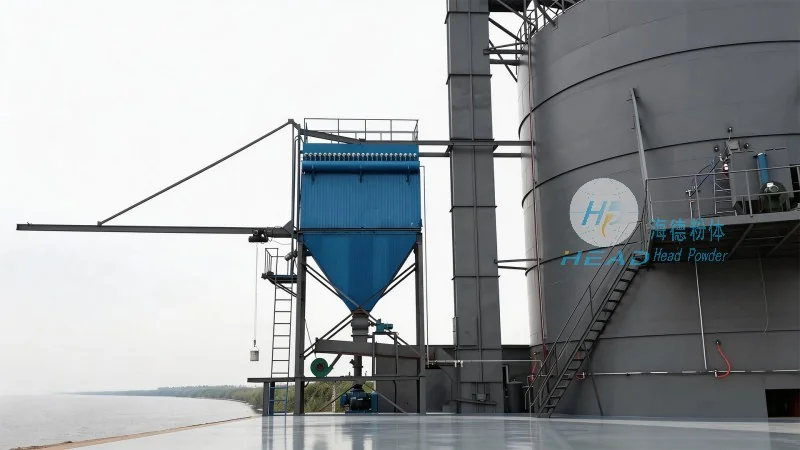
Working Principle of the Desulfurization Process
The working principle of a dry FGD system is based on the chemical reaction between sulfur dioxide (SO₂) in the flue gas and a dry sorbent, usually calcium-based. The process can be broken down into several key steps. First, the flue gases are preheated to an appropriate temperature to enhance the reaction rate. Then, the gases are introduced into the desulfurization reactor where they come into contact with the dry sorbent. The sorbent, typically in the form of a fine powder, is fed into the reactor through a system of nozzles or a rotary feeder. As the flue gases pass through the reactor, the SO₂ reacts with the calcium in the sorbent, forming calcium sulfite (CaSO₃) or calcium sulfate (CaSO₄), depending on the operating conditions. The reaction is exothermic, meaning it releases heat, which can be utilized to improve the overall efficiency of the system. After the reaction, the gas stream passes through a dust removal device to remove any unreacted sorbent or byproducts. The cleaned gas is then discharged into the atmosphere, meeting the required emission standards. The solid byproducts, known as gypsum or calcium sulfite, are collected and can be used in various industrial applications, such as construction materials or fertilizers, promoting a circular economy.
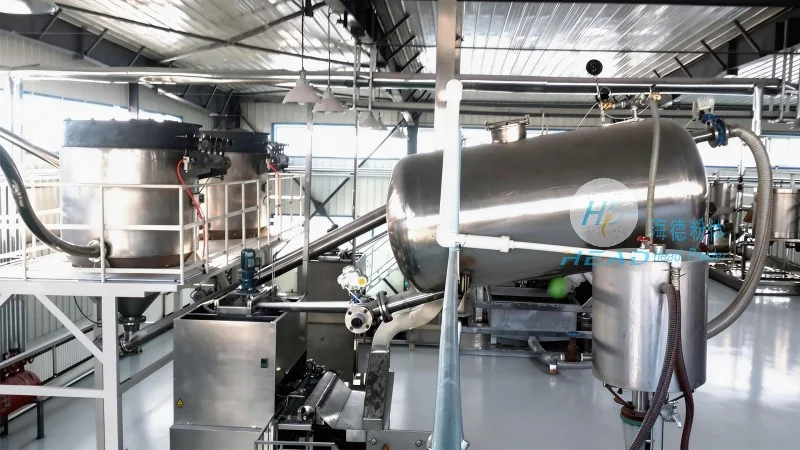
Operation Process of the Dry FGD System
The operation process of a dry flue gas desulfurization system involves several stages that must be carefully managed to ensure optimal performance. The first stage is the preparation phase, where the system is checked for any maintenance needs or adjustments required. This includes inspecting the gas ducts for blockages, verifying the functionality of the reagent feeding system, and ensuring the dust removal equipment is clean and operational. Once the system is ready, the start-up procedure begins. The boiler is fired, and the flue gases are directed into the gas duct system. The temperature of the flue gases is monitored to ensure it reaches the optimal level for the desulfurization reaction. As the gases enter the reactor, the dry sorbent is introduced at a controlled rate. The reaction rate is closely monitored, and adjustments are made to the sorbent feed rate to maintain the desired SO₂ removal efficiency. During normal operation, the system runs continuously, with the gas flow and sorbent feed rate adjusted based on the boiler load and the concentration of SO₂ in the flue gases. The system's performance is continuously monitored using sensors and control systems, which provide real-time data on the SO₂ concentration, temperature, and pressure. Any deviations from the set points are automatically corrected by the control system. The byproducts are collected and processed according to the plant's waste management procedures. The system is also equipped with safety features, such as emergency shutdown systems, to prevent any accidents or malfunctions. Regular maintenance is performed to ensure the system's longevity and reliability. This includes cleaning the dust removal equipment, replacing worn parts, and conducting periodic inspections of the gas ducts and reactor. By following these procedures, the dry FGD system can operate efficiently and effectively, providing a sustainable solution for flue gas desulfurization.
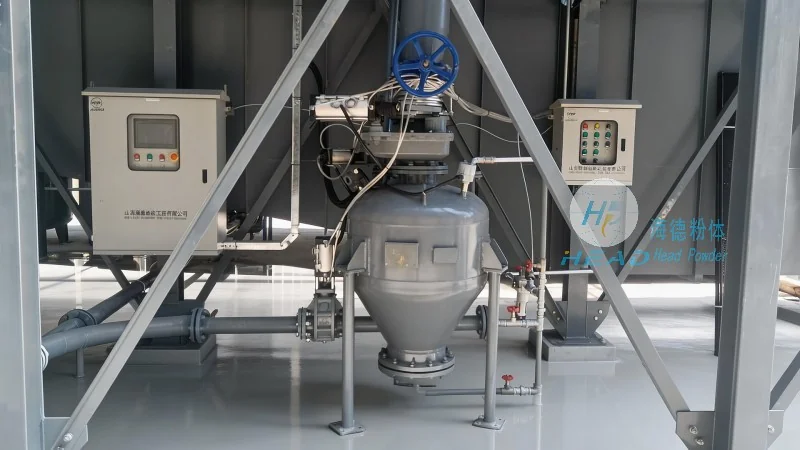
Benefits of Using a Dry Flue Gas Desulfurization System
Implementing a dry flue gas desulfurization system offers several benefits for industrial facilities. First, it significantly reduces the emission of sulfur dioxide, which is a major contributor to acid rain and respiratory problems. By removing up to 95% of the SO₂ from the flue gases, the system helps to protect the environment and comply with stringent environmental regulations. Second, the dry process is more energy-efficient compared to wet FGD systems, as it does not require the use of large amounts of water or energy for cooling and reagent preparation. The dry sorbent can be regenerated and reused, reducing the overall operating costs. Third, the byproducts of the process, such as gypsum, are valuable and can be sold or used in other industries, creating additional revenue streams. Fourth, the system is compact and requires less space compared to wet systems, making it suitable for facilities with limited land availability. Finally, the dry process is less prone to corrosion and scaling, reducing the need for frequent maintenance and extending the system's lifespan. Overall, the dry flue gas desulfurization system provides an effective and sustainable solution for flue gas treatment, contributing to a cleaner and more sustainable environment.




