Welcome to Shandong HeadPowder Engineering Co., Ltd., a leading provider of advanced pneumatic conveying solutions for agricultural industries. This article delves into the operation process and working principle of paddy grain pneumatic conveying systems, offering a comprehensive overview of how these technologies efficiently handle bulk materials like paddy grains. Our company, based in Shandong, China, specializes in designing and manufacturing high-performance equipment tailored to meet the specific needs of grain processing and handling operations.
Introduction to Paddy Grain Pneumatic Conveying Systems
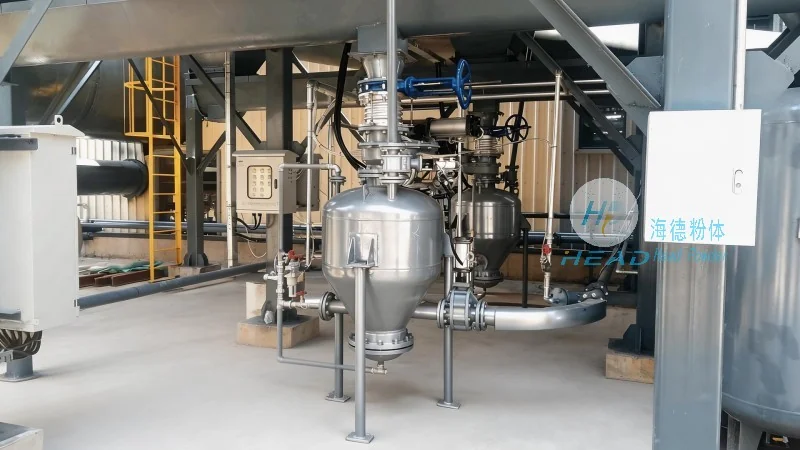
Paddy grain pneumatic conveying systems are essential in modern agricultural and food processing facilities, enabling the efficient transport of paddy grains from storage silos, processing units, or packaging areas. Unlike traditional mechanical conveyors, pneumatic systems utilize air pressure to move bulk materials through a network of pipes, offering advantages such as reduced maintenance, minimal product contamination, and the ability to handle a wide range of grain types and sizes. These systems are widely adopted in rice mills, grain elevators, and agricultural processing plants due to their flexibility and adaptability to various operational requirements.
Key Components of Paddy Grain Pneumatic Conveying
The core components of a paddy grain pneumatic conveying system include the material feed hopper, air compressor or blower, conveying pipes, control valves, and discharge equipment. The feed hopper ensures a consistent flow of paddy grains into the system, while the air compressor generates the necessary pressure to move the material through the pipes. Conveying pipes are typically made of durable materials like stainless steel or plastic, designed to withstand the abrasive nature of paddy grains and maintain air-tight integrity. Control valves regulate the air flow and material movement, allowing operators to adjust the conveying rate and direction as needed. The discharge equipment, such as rotary valves or airlocks, safely releases the paddy grains at the destination point, preventing backflow and ensuring smooth operation.
The Operation Process of Paddy Grain Pneumatic Conveying
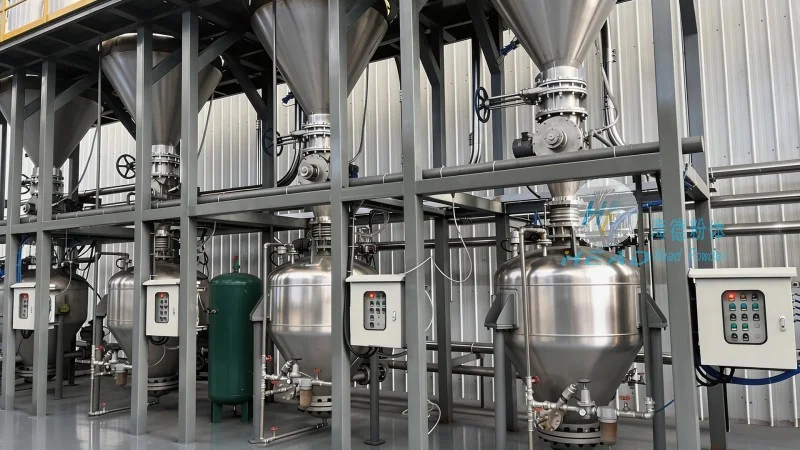
The operation process of paddy grain pneumatic conveying involves several sequential steps that ensure efficient material handling. Initially, paddy grains are fed into the material hopper from a storage silo or processing line. The hopper is equipped with a feeder mechanism, such as a screw or rotary valve, that controls the flow rate of the grains into the system. Simultaneously, the air compressor or blower generates a high-pressure air stream, which is introduced into the conveying pipes. As the air flows through the pipes, it entrains the paddy grains, creating a mixture of air and material known as a "pneumatic stream." This stream travels through the network of pipes to the discharge point, where the air is separated from the grains using a separator or cyclone. The separated air is then recirculated back to the compressor, while the paddy grains are collected in a receiving hopper or directly into packaging equipment. The entire process is controlled by a programmable logic controller (PLC) or manual valves, allowing precise regulation of the conveying speed and material quantity.
Working Principle Explained
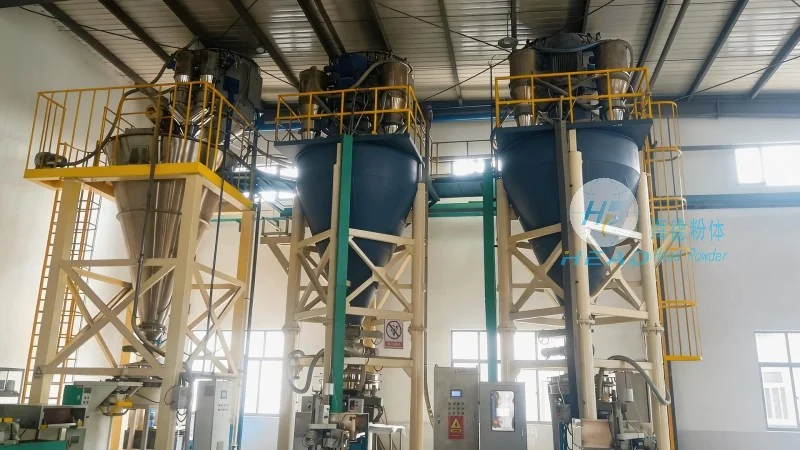
The working principle of paddy grain pneumatic conveying is based on the principle of fluidization and air movement. When air is introduced into the conveying pipes at a sufficient velocity, it creates a low-pressure zone that draws the paddy grains into the air stream. The grains are then suspended and transported through the pipes by the moving air, similar to how particles are carried in a fluid. The key to efficient conveying is maintaining an optimal air-to-material ratio, which balances the air velocity and grain size to prevent blockages or excessive pressure drops. The system operates under either positive pressure (where air is forced through the pipes) or negative pressure (where air is drawn from the system), depending on the application and layout of the conveying network. Positive pressure systems are commonly used for long-distance or high-capacity conveying, as they provide better control over the air flow and material movement.
Technical Advantages and Practical Applications
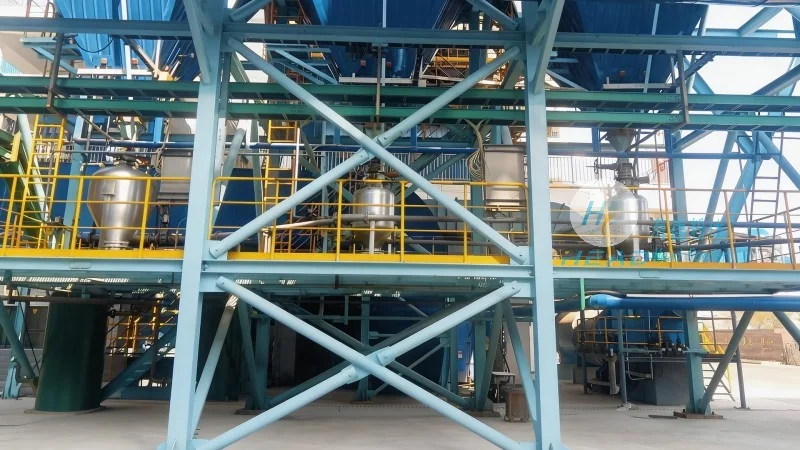
Paddy grain pneumatic conveying systems offer several technical advantages that make them ideal for agricultural and food processing applications. One of the primary benefits is the ability to handle abrasive materials like paddy grains without causing wear and tear on the equipment. The use of stainless steel or corrosion-resistant materials in the construction of the conveying pipes and components ensures long-term durability and minimal maintenance. Additionally, pneumatic systems provide excellent product containment, as the sealed pipes prevent dust, moisture, and contaminants from entering the environment, maintaining the quality and purity of the paddy grains. Another advantage is the flexibility of the system, which allows for easy reconfiguration or expansion of the conveying network to accommodate changes in production volume or facility layout. Practical applications of paddy grain pneumatic conveying include transporting paddy grains from storage silos to processing lines, moving finished rice products to packaging areas, and transferring raw materials between different processing stages in rice mills. These systems are also used in grain elevators and agricultural processing plants to streamline the handling of bulk paddy grains, improving overall operational efficiency and reducing labor costs.
Company Profile: Shandong HeadPowder Engineering Co., Ltd.
Shandong HeadPowder Engineering Co., Ltd. is a reputable manufacturer and supplier of pneumatic conveying systems, specializing in customized solutions for agricultural and industrial applications. HeadPowder, as the company is commonly known, is headquartered in Shandong, China, and has a strong reputation for delivering high-quality, reliable equipment that meets the stringent requirements of the grain processing industry. The company's team of engineers and technicians has extensive experience in designing and manufacturing pneumatic conveying systems, ensuring that each product is tailored to the specific needs of the client. HeadPowder's commitment to innovation and quality has enabled the company to become a trusted partner for many agricultural processing facilities, providing efficient and cost-effective solutions for paddy grain handling. With a focus on customer satisfaction and technical excellence, HeadPowder continues to lead the way in the development of advanced pneumatic conveying technologies for the agricultural sector.




