Coal coke particle pneumatic conveying is a critical industrial process used for the efficient transport of coal coke particles through a pipeline system using air or other gas as the conveying medium. This method offers significant advantages over traditional mechanical conveying systems, such as reduced equipment wear, lower energy consumption, and enhanced safety. The operation of a coal coke particle pneumatic conveying system involves several key components and steps that work in tandem to ensure reliable and efficient material transport.
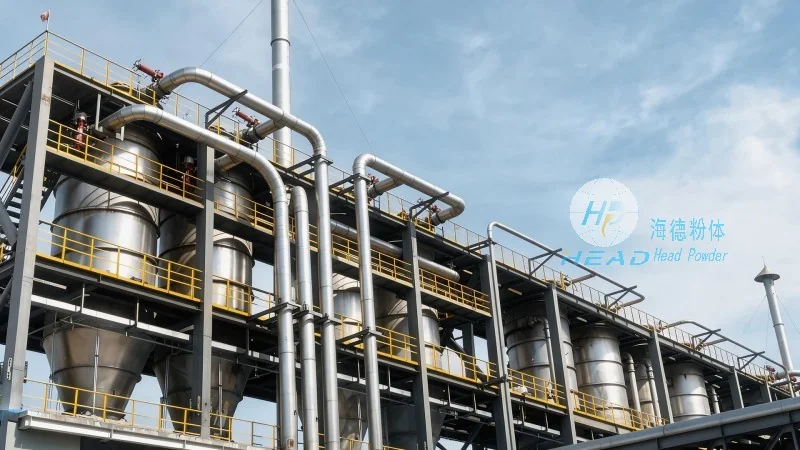
HeadPowder, a leading engineering company based in Shandong, China, specializes in the design, manufacturing, and implementation of advanced pneumatic conveying solutions for various industrial applications. With years of experience in the field, HeadPowder has developed a comprehensive understanding of the operational dynamics and technical requirements of coal coke particle pneumatic conveying systems. The company's expertise lies in optimizing system performance, ensuring compliance with industry standards, and providing tailored solutions that meet the specific needs of clients in the coal and coke processing industries.
System Components and Working Principle
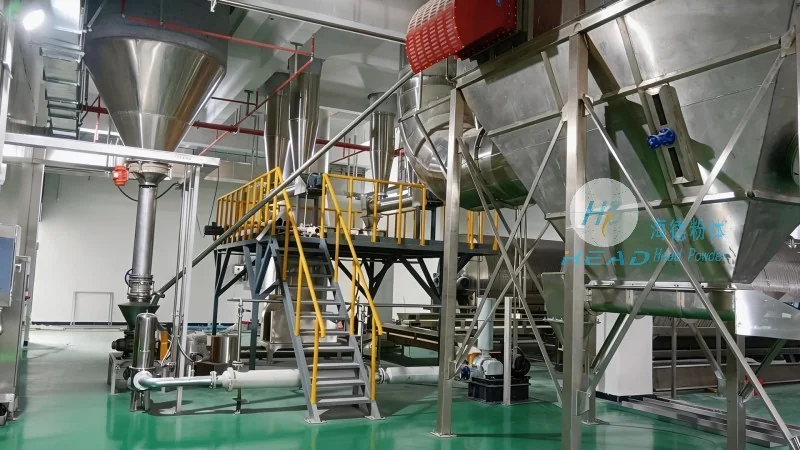
A typical coal coke particle pneumatic conveying system consists of several essential components, including a hopper for material storage, a feeder to control the flow rate of coal coke particles, a conveying pipeline, a venturi or other air injection device, and a receiver for the discharged material. The working principle revolves around the creation of a pressure differential within the pipeline. Air is introduced into the system, often at high velocity, which creates a low-pressure zone that draws the coal coke particles into the pipeline. The particles are then carried along with the air stream, moving through the pipeline to the receiving end.
Operation Process of Coal Coke Particle Pneumatic Conveying
The operation process of a coal coke particle pneumatic conveying system can be broken down into several sequential steps. First, the coal coke particles are fed into the hopper from the storage silo or batch hopper. The feeder then regulates the flow rate, ensuring a consistent and controlled supply of particles into the conveying system. Simultaneously, the air compressor or blower generates the necessary air pressure and volume to initiate the conveying process. The air is introduced into the pipeline at the inlet, typically through a venturi or air injection nozzle, which creates a high-velocity air stream. This air stream entrains the coal coke particles, forming a slurry-like mixture that travels through the pipeline. The pipeline is designed with appropriate bends, valves, and filters to maintain the flow and prevent blockages. At the receiving end, the air and particles are separated, with the air being discharged to the atmosphere or recirculated, and the coal coke particles collected in the receiver. The system may also include additional components such as dust collectors, filters, and pressure regulators to ensure optimal performance and environmental compliance.
Advantages of Coal Coke Particle Pneumatic Conveying
Coal coke particle pneumatic conveying offers several advantages over traditional mechanical conveying methods. One of the primary benefits is the reduction in equipment wear and tear, as there are no moving parts in direct contact with the coal coke particles. This leads to lower maintenance costs and longer equipment lifespan. Additionally, the system is more energy-efficient compared to mechanical conveyors, as it utilizes air as the primary conveying medium, which can be optimized for minimal energy consumption. The process also enhances safety by eliminating the need for manual handling of heavy or hazardous materials, reducing the risk of accidents and injuries. Furthermore, pneumatic conveying systems can handle a wide range of particle sizes and densities, making them versatile for various coal coke processing applications. The ability to transport materials over long distances without the need for intermediate transfer points also improves operational efficiency and reduces downtime.
Applications in Coal and Coke Processing
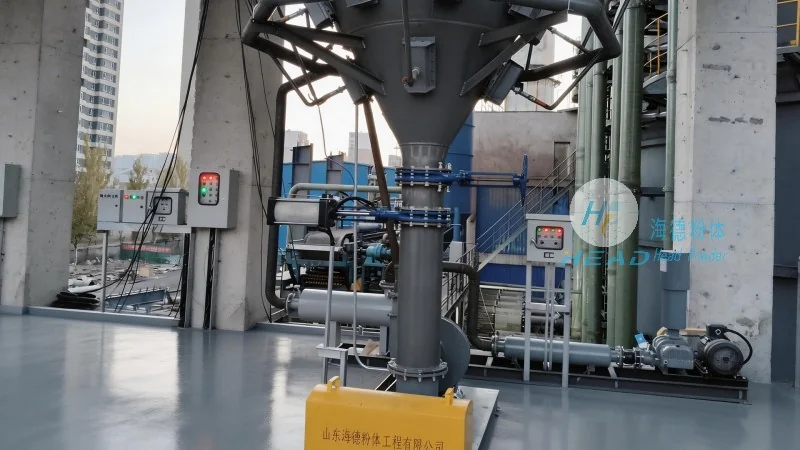
Coal coke particle pneumatic conveying is widely used in the coal and coke processing industry for various applications. It is commonly employed in the transport of coal coke from storage silos to processing units, such as coke ovens or gasifiers. The system can also be used to convey coal coke from the production line to packaging or storage facilities. In addition, pneumatic conveying systems are used in the transfer of coal coke between different processing stages, such as from crushing and screening to blending and briquetting. The flexibility and efficiency of the system make it suitable for both small-scale and large-scale industrial operations, ensuring reliable material transport and supporting the overall productivity of the processing plant.
Conclusion
Coal coke particle pneumatic conveying is a sophisticated and efficient method for transporting coal coke particles in industrial settings. The system's operation relies on the principles of fluid dynamics and air movement, with carefully designed components working together to ensure reliable performance. HeadPowder, with its expertise in engineering and manufacturing, provides comprehensive solutions for the design and implementation of such systems, catering to the specific needs of clients in the coal and coke industry. By leveraging advanced technology and a deep understanding of the operational requirements, HeadPowder ensures that coal coke particle pneumatic conveying systems operate at peak efficiency, contributing to the overall productivity and sustainability of industrial processes.




