HeadPowder, a leading manufacturer of industrial material handling solutions, specializes in rapid loading pneumatic conveying systems. These advanced systems are designed to efficiently transport bulk materials, offering a clean, dust-free, and highly efficient method of material transfer. The technology is widely used in industries such as food processing, pharmaceuticals, and chemical manufacturing, where speed and precision are critical. The systems leverage air pressure to move powders and granules, providing a superior alternative to traditional mechanical conveyors.
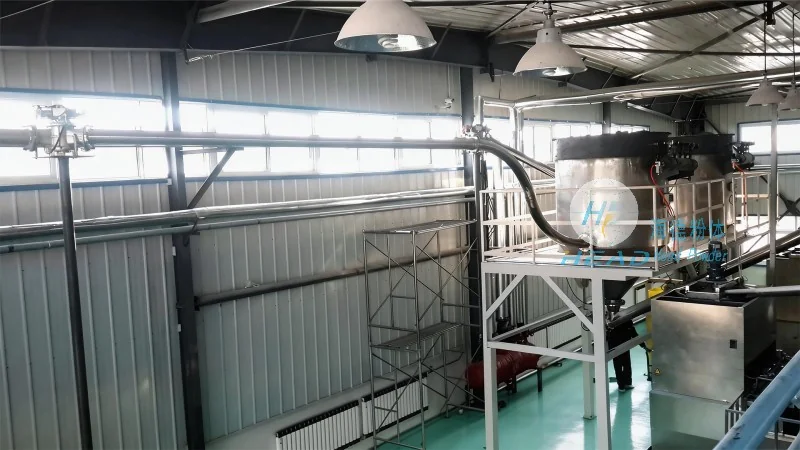
Key Components of the System
The core components of a rapid loading pneumatic conveying system include a hopper for material storage, a feeder to control the flow rate, a conveying line (often equipped with pressure vessels or ducts), and a receiver for the discharged material. Additionally, the system may incorporate a blower or compressor to generate the necessary air pressure, a filter to capture dust particles, and a control panel to monitor and adjust operational parameters. Each component plays a vital role in ensuring the system operates smoothly and efficiently.
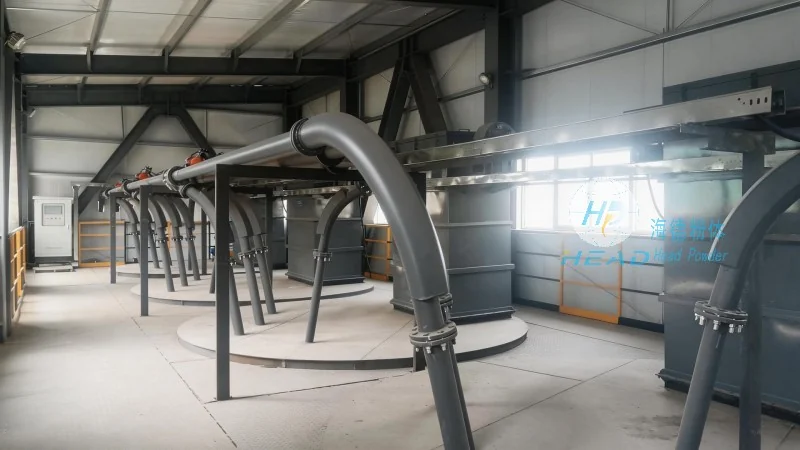
Operation Process: Step-by-Step Overview
The operation of a rapid loading pneumatic conveying system typically follows a sequence of steps. First, bulk material is fed into the hopper from a storage silo or container. The feeder then regulates the material flow, ensuring a consistent rate of discharge into the conveying line. Simultaneously, the blower or compressor generates high-pressure air, which is introduced into the conveying line. As the air flows through the ducts, it entrains the material particles, creating a slurry-like mixture that is propelled toward the receiver. The receiver, often a storage bin or processing unit, captures the material as the air is filtered and discharged through a dust collection system. This process allows for rapid and continuous material transfer, minimizing downtime and enhancing productivity.
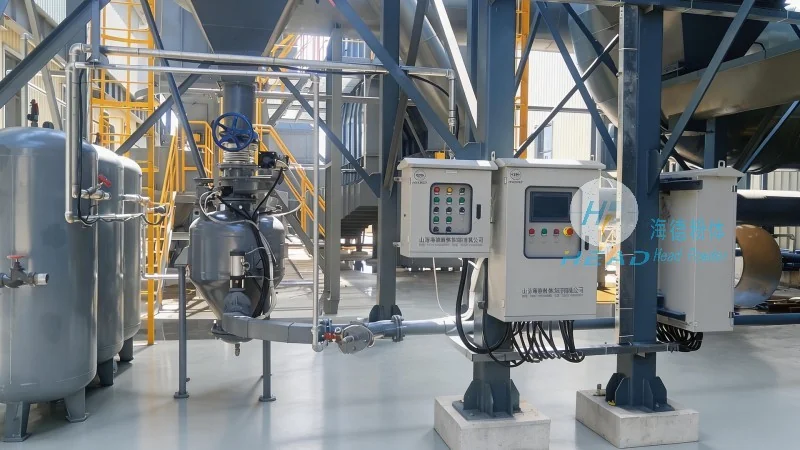
Working Principle: How It Works
The working principle of a rapid loading pneumatic conveying system is based on the principle of pneumatic transport, where air is used as the medium to move solid particles. The system operates under positive pressure, meaning the conveying line is pressurized above atmospheric pressure. The blower or compressor supplies compressed air, which creates a pressure differential between the hopper and the receiver. This pressure differential forces the material to be drawn into the conveying line along with the air. The air velocity within the ducts is maintained at a level sufficient to suspend the material particles, preventing them from settling and ensuring smooth transport. The filter system captures any fine particles or dust, ensuring that the discharged air is clean and the material remains free from contamination. This combination of pressure, air velocity, and material suspension enables the system to handle a wide range of materials, from fine powders to coarse granules, with high efficiency.
Benefits and Applications
Rapid loading pneumatic conveying systems offer several advantages over traditional material handling methods. These include high throughput rates, minimal material degradation, and reduced labor costs due to automated operation. The systems are also suitable for handling materials that are sensitive to moisture or contamination, as the enclosed conveying process prevents exposure to the environment. Common applications include the transport of food ingredients, pharmaceutical powders, chemical additives, and industrial minerals. In food processing, for example, these systems are used to move flour, sugar, and spices from storage to production lines, ensuring hygiene and speed. In pharmaceuticals, they facilitate the transfer of active ingredients and excipients, maintaining the purity and quality of the final product.
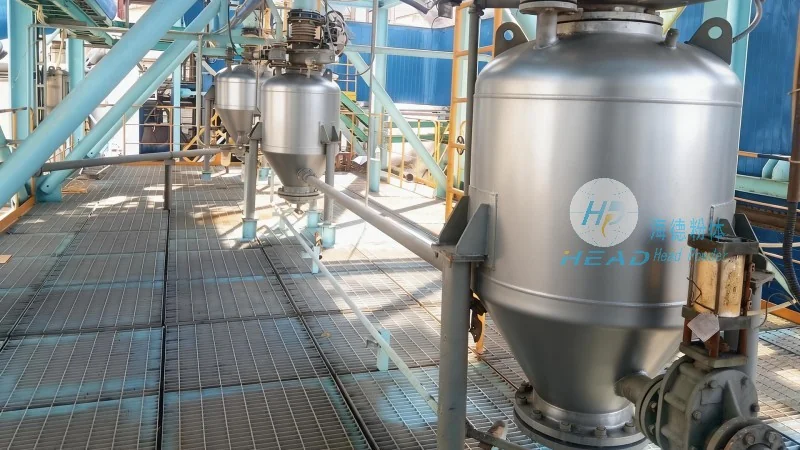
Maintenance and Operational Considerations
To ensure optimal performance and longevity of a rapid loading pneumatic conveying system, regular maintenance is essential. This includes checking the condition of the blower or compressor, inspecting the filter system for clogging, and verifying the integrity of the conveying line for leaks. The control panel should be monitored regularly to adjust air pressure and material flow rates as needed. Additionally, the system should be cleaned periodically to prevent buildup of material residue, which can affect performance and air quality. Proper training of operators is also crucial to ensure safe and efficient operation. By adhering to these maintenance practices, users can maximize the system's efficiency and minimize downtime, ensuring consistent material handling performance.




