HeadPowder, a leading manufacturer based in Shandong, China, specializes in providing advanced pneumatic conveying solutions for cassava processing. The cassava pneumatic conveying system is a critical component in modern cassava processing facilities, enabling efficient and reliable transportation of cassava from storage to processing units. This equipment is designed to handle the unique characteristics of cassava, such as its size, moisture content, and density, ensuring optimal performance and minimal product damage.
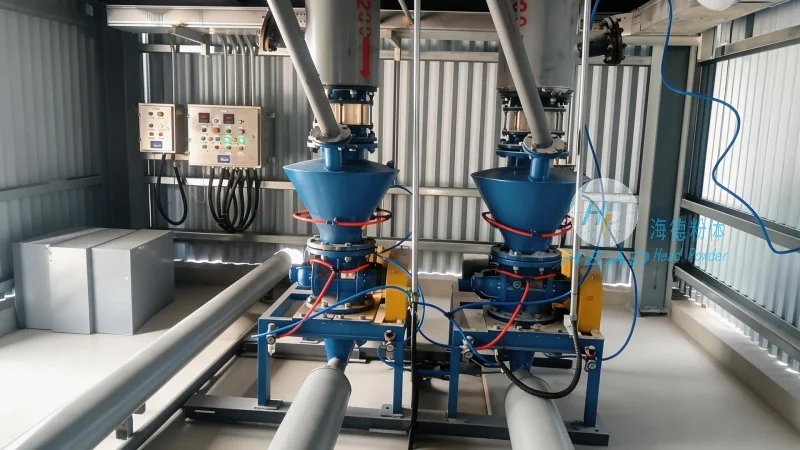
Working Principle of the Pneumatic Conveying System
The core of the cassava pneumatic conveying system lies in its air-driven mechanism. The system operates by using compressed air to create a flow that propels cassava particles through a pipeline. The process typically involves a hopper where cassava is stored, a feeder that controls the flow rate, and a series of pipes that transport the material. The air pressure is regulated to maintain a consistent flow, preventing blockages and ensuring smooth operation. The system can be either positive pressure or negative pressure, depending on the specific application and the distance the material needs to be conveyed.
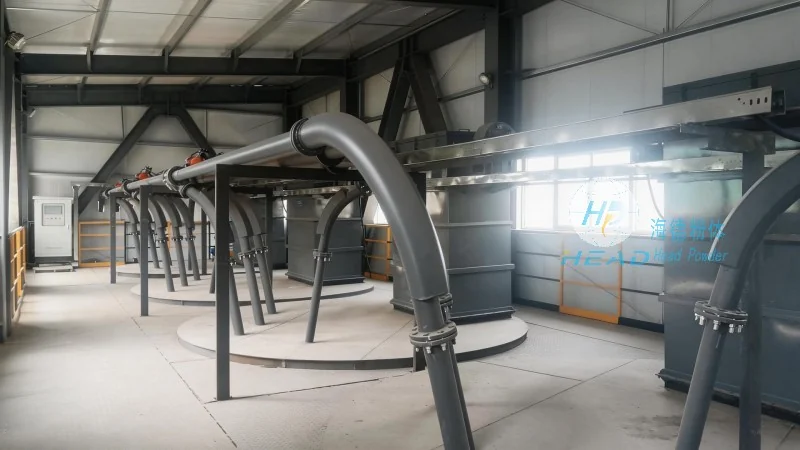
Key Components and Their Functions
The cassava pneumatic conveying system consists of several key components, each playing a vital role in the overall operation. The hopper serves as the storage container, holding the raw cassava. The feeder, often a rotary valve or a screw feeder, regulates the amount of cassava released into the system, ensuring a steady flow. The pipeline network is made of durable materials, such as stainless steel or plastic, to withstand the abrasive nature of cassava and the effects of moisture. The air compressor provides the necessary pressure to drive the material through the pipes. Additionally, the system may include filters and cyclones to separate the air from the conveyed material, ensuring clean air is returned to the compressor and preventing contamination.
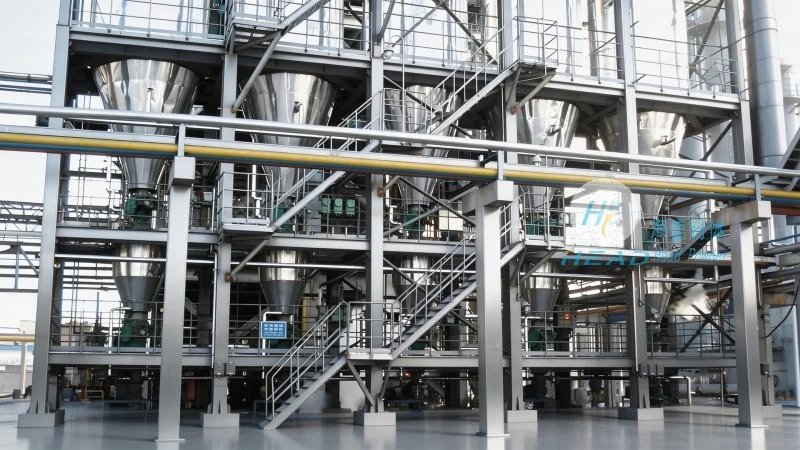
Operation Process of the System
The operation of the cassava pneumatic conveying system begins with the loading of cassava into the hopper. The feeder then starts, releasing a controlled amount of cassava into the pipeline. As the compressed air is introduced, it creates a vacuum or pressure that moves the cassava particles through the system. The material travels through the pipes to the processing unit, where it is further processed into products like starch, flour, or ethanol. The system is designed to operate continuously, with minimal downtime for maintenance. Regular checks on the air pressure, feeder speed, and pipeline integrity are essential to maintain optimal performance and prevent issues such as blockages or air leaks.
Advantages of Using Pneumatic Conveying for Cassava
Implementing a pneumatic conveying system for cassava processing offers several advantages over traditional methods like belt conveyors or bucket elevators. Firstly, it reduces the risk of product contamination, as the material is transported in a closed system. Secondly, it minimizes product damage, as the gentle air flow prevents crushing or bruising of the cassava. Thirdly, the system is highly efficient, with lower energy consumption compared to other methods. Additionally, it allows for easy integration with other processing equipment, streamlining the overall production process. The system also provides better control over the flow rate, ensuring consistent quality of the final product.
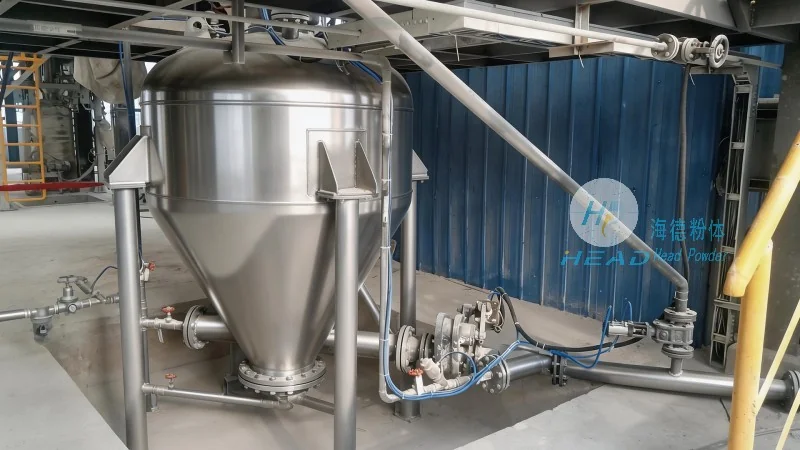
Maintenance and Troubleshooting
Proper maintenance is crucial to ensure the long-term performance and reliability of the cassava pneumatic conveying system. Regular cleaning of the hopper, feeder, and pipeline is necessary to prevent the buildup of debris and moisture, which can lead to blockages. The air compressor and filters should be inspected and maintained regularly to ensure efficient operation. If issues arise, such as reduced flow or increased air pressure, it is important to check for blockages in the pipeline, worn-out components, or issues with the feeder. Addressing these problems promptly can prevent more significant damage and ensure the system continues to operate efficiently.




