HeadPowder, a leading engineering firm based in Shandong, China, specializes in the design, manufacturing, and installation of advanced pneumatic conveying systems for cement clinker material. The cement clinker material pneumatic conveying line is a critical component in modern cement production facilities, enabling efficient and reliable transportation of clinker from storage silos or processing units to downstream equipment such as cement mills or packaging systems. This system combines the principles of pneumatic transport with robust engineering to ensure high performance and durability in demanding industrial environments.
Key Components of the Pneumatic Conveying System
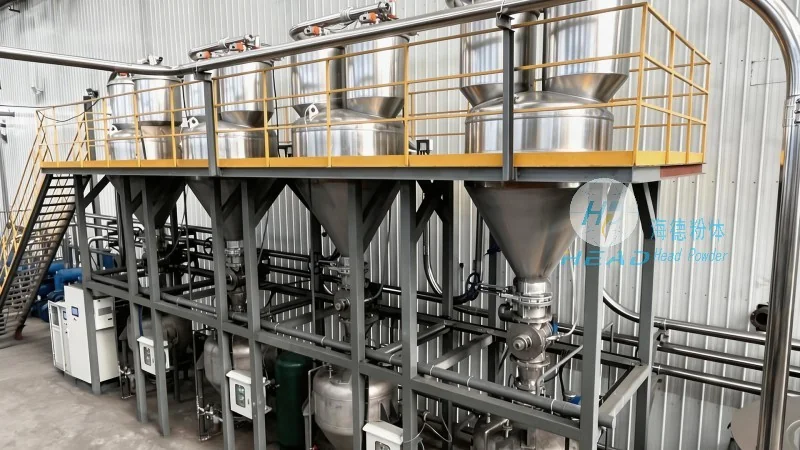
The cement clinker material pneumatic conveying line typically consists of several essential components that work in concert to facilitate material transport. These include a feeding hopper or silo, a rotary valve or feeder for controlled material discharge, a conveying pipeline (often equipped with bends and expansion joints to accommodate system layout), a blower or air compressor to generate the necessary air pressure, and a receiver or discharge hopper at the destination. Each component is carefully selected and integrated to ensure seamless operation and minimal material loss. The feeding hopper ensures a consistent flow of clinker, while the rotary valve provides precise control over the discharge rate. The conveying pipeline, constructed from corrosion-resistant materials like stainless steel or special alloys, is designed to withstand the abrasive nature of cement clinker and maintain air tightness. The blower or air compressor generates the airflow that propels the material through the pipeline, and the receiver collects the material at the end of the conveying process. Additionally, the system may include accessories such as filters, silencers, and pressure relief valves to enhance safety and operational efficiency.
Operation Process of the Cement Clinker Pneumatic Conveying Line
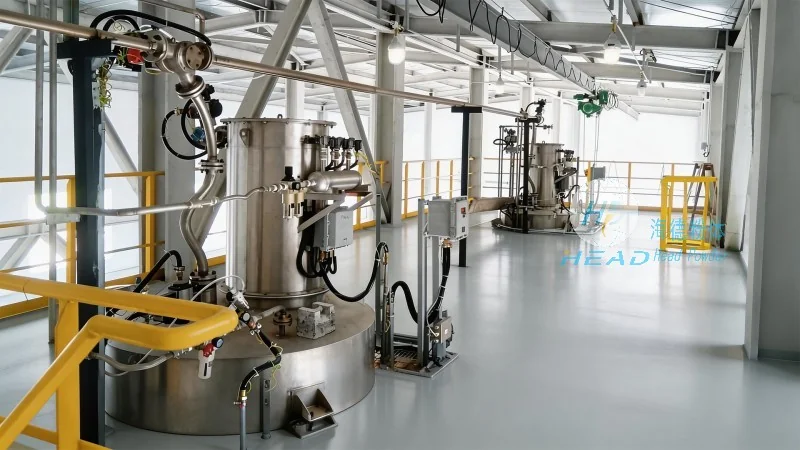
The operation of the cement clinker material pneumatic conveying line follows a systematic sequence to ensure efficient material transport. The process begins with the clinker stored in the feeding hopper or silo. The rotary valve then opens to allow a controlled amount of clinker to fall into the conveying pipeline. Simultaneously, the blower or air compressor starts, generating a high-pressure airflow that enters the pipeline. The airflow, combined with the clinker material, creates a dense phase or dilute phase flow, depending on the system design and operating conditions. In a dense phase system, the material is transported in a slurry-like state, which reduces particle impact and wear on the pipeline. The air and material mixture travels through the pipeline, navigating bends and changes in elevation as required by the facility layout. At the receiving end, the material is deposited into the discharge hopper, and the air is separated from the material, typically through a cyclone or filter system. The separated air is then either recirculated back to the blower or released to the atmosphere, depending on the system configuration. The entire process is automated, with sensors and control systems monitoring parameters such as pressure, flow rate, and material level to maintain optimal performance. This automated operation ensures consistent and reliable clinker transport, minimizing downtime and maximizing production efficiency.
Working Principle of the Pneumatic Conveying System
The working principle of the cement clinker material pneumatic conveying line is based on the fundamental concept of pneumatic transport, where solid materials are conveyed through a pipeline using air or gas as the conveying medium. The system operates by creating a pressure differential between the feeding and receiving ends of the pipeline. The blower or air compressor generates a high-pressure air stream that enters the pipeline at the feeding end. As the clinker material is introduced into the pipeline, it is entrained by the airflow, forming a mixture of air and material. The air pressure and velocity are carefully controlled to ensure that the material is carried through the pipeline without excessive wear or degradation. The conveying process can be categorized into two main types: dense phase and dilute phase. In a dense phase system, the material is transported in a relatively high concentration, with the air serving as a carrier to maintain the material's integrity. This method is particularly suitable for abrasive materials like cement clinker, as it reduces particle impact and minimizes wear on the pipeline. In a dilute phase system, the material is transported in a lower concentration, with the air providing the primary means of transport. This method is more energy-efficient but may require larger pipelines and more robust equipment to handle the higher air velocities. The choice between dense and dilute phase systems depends on factors such as material characteristics, system length, and operational requirements. The system also incorporates safety features to prevent overpressure or material blockages, ensuring reliable and safe operation. The overall working principle is designed to provide a cost-effective and efficient solution for clinker transportation, aligning with the needs of modern cement production facilities.
Benefits and Applications of the Pneumatic Conveying Line
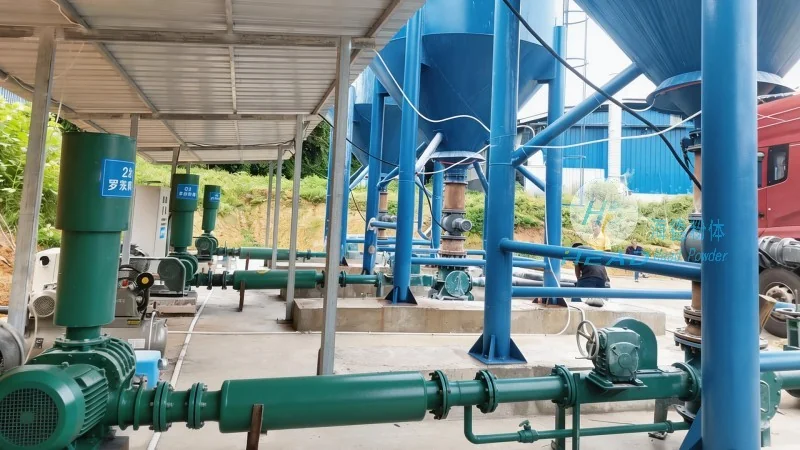
The cement clinker material pneumatic conveying line offers numerous benefits that make it an ideal choice for industrial applications. One of the primary advantages is its ability to transport clinker over long distances with minimal material loss and high efficiency. Unlike traditional mechanical conveying systems, such as belt conveyors or bucket elevators, pneumatic systems can handle vertical and horizontal transport simultaneously, reducing the need for multiple components and simplifying system layout. The system also provides excellent dust control, as the material is enclosed within the pipeline, preventing dust emissions and improving workplace safety. Additionally, the pneumatic conveying line is highly adaptable, allowing for easy integration with existing cement production facilities or new installations. It can be customized to accommodate varying clinker flow rates, pipeline lengths, and operating conditions, ensuring optimal performance for specific applications. The system is widely used in cement plants, where it is essential for transporting clinker from storage silos to cement mills or packaging lines. It is also applicable in other industries, such as mining and chemical processing, where similar material transport requirements exist. The benefits of the pneumatic conveying line include improved production efficiency, reduced maintenance costs, enhanced safety, and environmental compliance, making it a preferred solution for modern industrial operations.




