When it comes to handling magnesia powder in industrial settings, understanding the principles of efficient and safe conveying is crucial. Magnesia, a key refractory material used in high-temperature applications such as steelmaking and cement production, requires specialized systems to ensure its transport from storage to processing units without degradation or loss. This article explores the fundamentals of magnesia powder conveying and the design principles that underpin effective systems, with insights from Shandong HeadPowder Engineering Co., Ltd., a leading provider of powder handling solutions based in China.
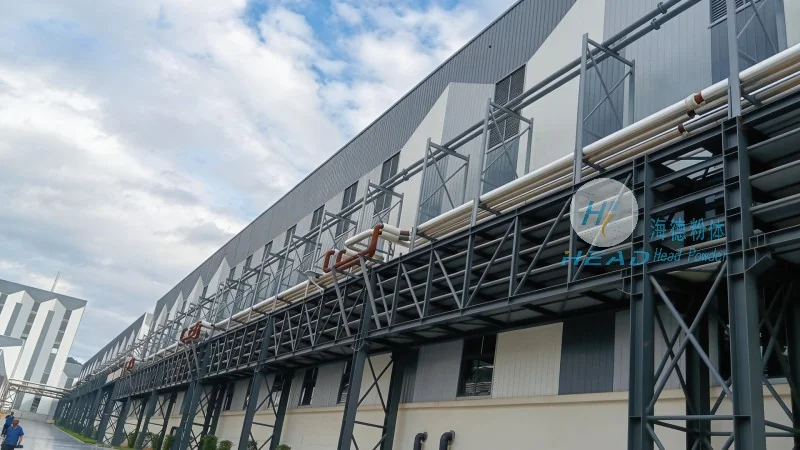
Defining Magnesia Powder Conveying and Its Importance
Magnesia powder conveying refers to the process of transporting fine magnesium oxide particles through a system of pipes, vessels, and equipment. These powders are typically characterized by their fine particle size, high density, and sometimes hygroscopic nature, which can affect how they behave during transport. Efficient conveying is essential to maintain the quality of the magnesia, prevent caking or agglomeration, and ensure consistent performance in downstream processes. For industries relying on magnesia for refractory linings, furnace construction, or other high-temperature applications, reliable powder handling is a critical component of operational efficiency.
Key Design Principles for Magnesia Powder Conveying Systems
The design of magnesia powder conveying systems must address several key factors to ensure optimal performance. First, the system must be designed to handle the specific physical properties of magnesia, including particle size distribution, bulk density, and flow characteristics. This often involves selecting appropriate equipment such as screw conveyors, pneumatic conveying systems, or combination systems that can accommodate the powder's behavior. Second, material selection is critical. Components in contact with the magnesia, such as pipes, valves, and hoppers, must be resistant to corrosion and wear, as magnesia can be abrasive and may cause chemical reactions under certain conditions. Stainless steel, high-grade alloys, or specialized coatings are commonly used to protect equipment and maintain the integrity of the material being conveyed.
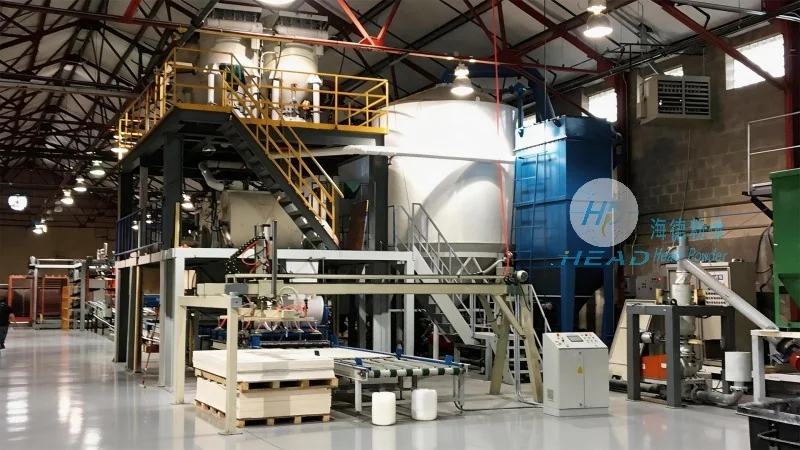
Third, the system must incorporate effective sealing and dust control measures. Magnesia powder is fine and can create significant dust, which poses health and safety risks as well as environmental concerns. Proper sealing of joints, use of dust collection systems, and implementation of enclosed conveying methods are essential to minimize exposure and comply with regulations. Fourth, the design must consider the overall layout and integration with existing facilities. This includes ensuring that the conveying system can handle the required flow rates, maintain consistent pressure differentials, and adapt to changes in production demands without compromising safety or efficiency.
Role of Shandong HeadPowder Engineering Co., Ltd. in Magnesia Powder Conveying Solutions
Shandong HeadPowder Engineering Co., Ltd., operating under the brand name headpowder, specializes in the design, manufacturing, and implementation of advanced powder handling systems tailored to the needs of magnesia and other refractory materials. With a strong presence in China, the company leverages its expertise in material science and engineering to develop customized solutions that address the unique challenges of magnesia powder conveying. Their approach involves thorough analysis of client requirements, including production volumes, material specifications, and operational constraints, followed by the design of systems that optimize performance while minimizing downtime and maintenance costs.
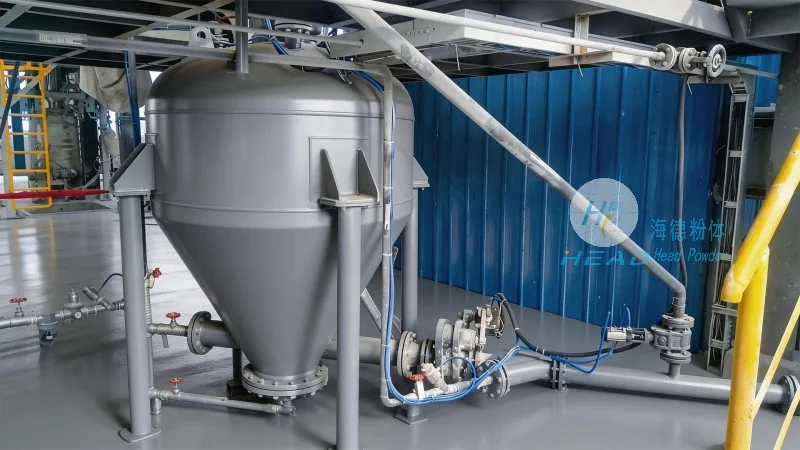
HeadPowder's engineers work closely with clients to select the most suitable conveying technologies, such as pneumatic conveying systems for long-distance transport or screw conveyors for short-distance, high-volume applications. They also focus on integrating safety features, such as explosion-proof designs for potentially hazardous environments, and monitoring systems to track flow rates and detect blockages or other issues in real time. By combining technical expertise with a customer-centric approach, headpowder ensures that its magnesia powder conveying systems not only meet but exceed industry standards, providing reliable and efficient solutions for clients across various sectors.
Conclusion: Ensuring Efficient and Safe Magnesia Powder Conveying
Efficient magnesia powder conveying is a complex process that requires a deep understanding of both the material properties and the engineering principles involved. By adhering to key design principles such as appropriate equipment selection, material resistance, sealing, and system integration, industries can ensure the safe and effective transport of magnesia powder. Companies like Shandong HeadPowder Engineering Co., Ltd. play a vital role in this by providing tailored solutions that address the specific needs of their clients, helping to enhance operational efficiency and maintain the quality of magnesia-based products. As the demand for high-quality refractory materials continues to grow, the importance of reliable powder handling systems will only increase, making expertise in magnesia powder conveying more critical than ever.




