Fly ash powder conveying is a critical process in the handling and transportation of fly ash, a byproduct from coal combustion. This technology is essential for efficient management of fly ash, which is often used as a supplementary cementitious material in concrete production. Understanding the principles behind its design and operation is vital for industries seeking to optimize their material handling systems.
Understanding Fly Ash and Its Significance
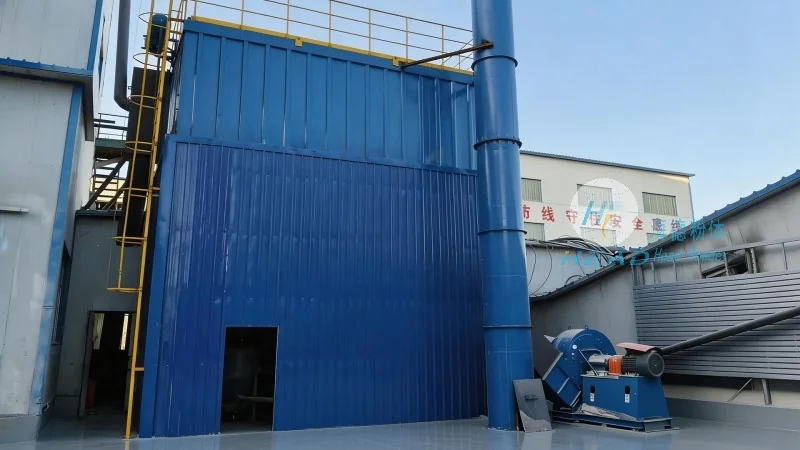
Fly ash, also known as pulverized fuel ash (PFA), is a fine powder generated during the combustion of coal in thermal power plants. It consists of spherical glass particles with a high surface area, making it valuable for various industrial applications, particularly in the construction sector. The efficient conveyance of this material is crucial for maintaining production efficiency and reducing environmental impact. Companies like Shandong HeadPowder Engineering Co., Ltd. specialize in developing advanced systems tailored to the unique properties of fly ash.
The Core Components of Fly Ash Powder Conveying Systems
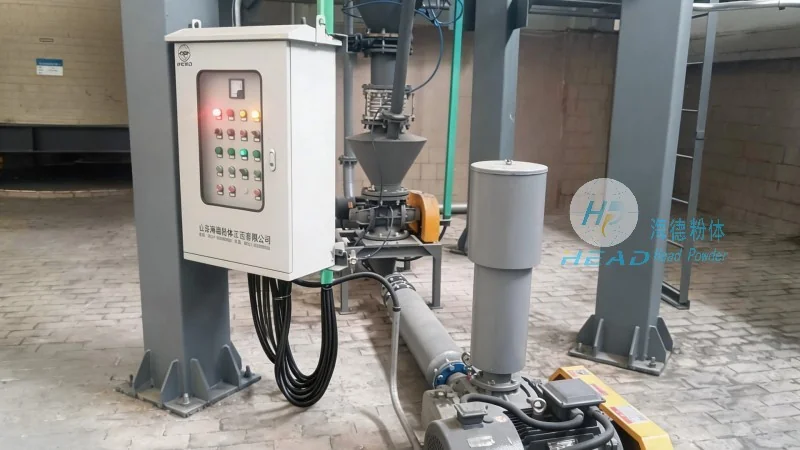
A typical fly ash powder conveying system comprises several key components that work in tandem to ensure reliable and efficient material transport. These components include feeders, conveying lines, and control systems. The feeders are responsible for accurately metering the fly ash from storage silos or hoppers, while the conveying lines—often made of flexible or rigid tubing—transport the material to its destination. Control systems monitor and regulate the flow, ensuring consistent performance and preventing issues such as blockages or overloading.
Design Principles for Optimal Performance
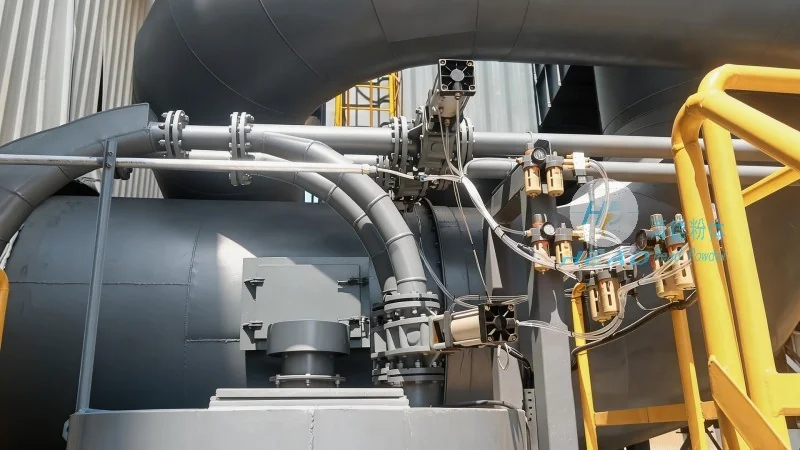
The design of a fly ash powder conveying system must consider several factors to achieve optimal performance. One of the primary considerations is the material's properties, including its density, moisture content, and flowability. These characteristics influence the choice of conveying method, whether pneumatic (air-assisted) or mechanical (e.g., screw conveyors). Pneumatic systems are commonly used for fine powders like fly ash due to their ability to handle high volumes and long distances with minimal maintenance. The design also involves selecting appropriate materials for the conveying components to resist abrasion and corrosion, which are common issues in fly ash handling.
HeadPowder's Expertise in Fly Ash Conveying Solutions
Shandong HeadPowder Engineering Co., Ltd. is a leading provider of specialized equipment and systems for fly ash powder conveying. With a strong focus on innovation and customer needs, the company has developed cutting-edge solutions that address the unique challenges of handling this material. Their expertise lies in designing systems that ensure high efficiency, low energy consumption, and minimal environmental impact. By leveraging advanced engineering and materials science, HeadPowder delivers reliable and durable conveying systems that meet the demands of modern industrial applications.
Key Advantages of Effective Fly Ash Conveying
Implementing an efficient fly ash powder conveying system offers numerous benefits for industrial operations. First, it enhances production efficiency by ensuring a steady supply of material to processing plants, reducing downtime and increasing output. Second, it minimizes environmental risks by preventing dust emissions and ensuring proper containment of the material. Third, it improves safety by eliminating manual handling of fly ash, which can be hazardous due to its fine particle size and potential for respiratory issues. Additionally, optimized conveying systems can reduce operational costs through lower energy consumption and reduced maintenance requirements.
Conclusion: The Importance of Proper Design and Implementation
In conclusion, fly ash powder conveying is a complex yet essential process that requires careful consideration of design principles and system components. The expertise of companies like Shandong HeadPowder Engineering Co., Ltd. is crucial in developing and implementing effective solutions that meet the specific needs of industrial clients. By prioritizing efficiency, safety, and environmental responsibility, these systems contribute significantly to the sustainable management of fly ash and the broader goals of industrial operations.




