Soil powder conveying, or soil powder transport, refers to the specialized process of moving fine soil particles from one location to another. This technology is essential in industries such as mining, construction, and environmental remediation, where handling loose, powdery soil materials is a common requirement. The goal of soil powder conveying is to transport these materials efficiently, safely, and without degradation, ensuring that the soil retains its properties and can be used for its intended purpose. Understanding the principles and design of soil powder conveying systems is crucial for engineers and project managers involved in such applications.
Key Design Principles for Soil Powder Conveying
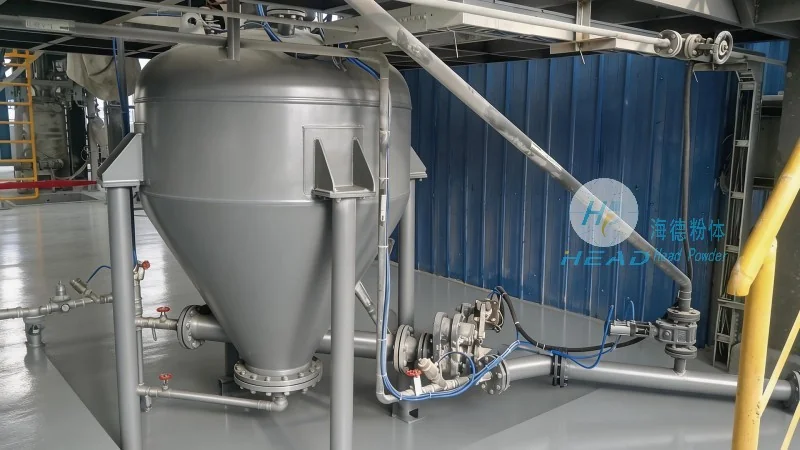
The design of soil powder conveying systems is based on several fundamental principles that ensure optimal performance and reliability. These principles include the selection of appropriate equipment, the control of particle size and moisture content, and the management of air flow and pressure. A critical design consideration is the prevention of dust generation and clogging, which are common issues in traditional soil handling methods. Engineers from Shandong HeadPowder Engineering Co., Ltd. (headpowder) focus on these principles to develop customized solutions that address the specific challenges of each project. For instance, the system must be designed to handle varying particle sizes and moisture levels, as these factors significantly impact the conveying efficiency and equipment life. Additionally, the control of air pressure and velocity is essential to maintain the flow of soil particles through the pipeline without causing damage or loss of material.
Components and Working Mechanisms
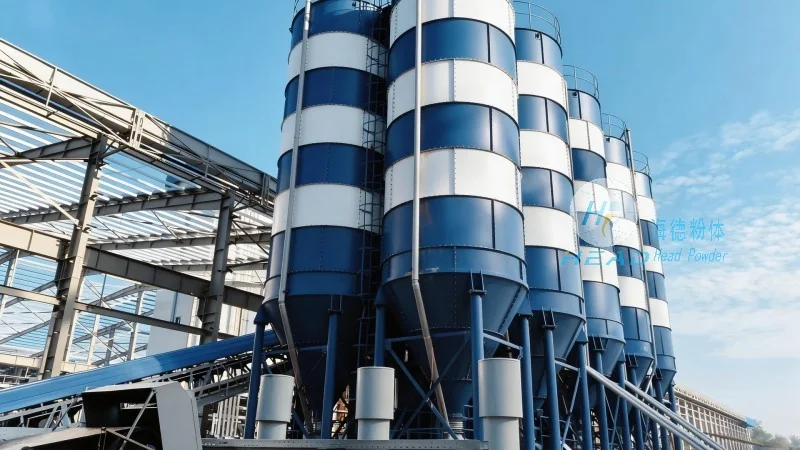
Soil powder conveying systems typically consist of several key components that work together to achieve efficient transport. The primary components include a material feed hopper, a conveyor line (either pneumatic or mechanical), and a control system. The material feed hopper is responsible for storing and feeding the soil powder into the conveyor system at a controlled rate. This hopper is designed to prevent material buildup and ensure a consistent flow into the conveyor. The conveyor line can be pneumatic, where compressed air is used to move the soil particles through a pipeline, or mechanical, such as screw conveyors or belt conveyors, which use physical force to transport the material. Pneumatic conveying is often preferred for long-distance transport due to its ability to handle fine particles and minimize material degradation. The control system monitors and adjusts the flow rate, pressure, and other parameters to maintain optimal performance. For example, in pneumatic systems, the air velocity must be sufficient to keep the soil particles suspended and prevent clogging, while the system pressure is regulated to ensure smooth transport. Mechanical conveyors, on the other hand, are suitable for shorter distances and heavier loads, providing a reliable alternative for specific applications.
Applications and Benefits
Soil powder conveying systems are widely used in various industrial and construction applications due to their efficiency and versatility. In mining operations, these systems are used to transport ore and tailings, reducing the need for heavy machinery and labor. The ability to handle large volumes of material efficiently makes soil powder conveying an attractive option for mining companies. In geotechnical engineering, the systems are used to place soil for foundation construction, ensuring uniform compaction and quality. This is particularly important for projects where the soil's properties must be maintained to support structures. Environmental remediation projects also benefit from soil powder conveying, as it allows for the safe and efficient removal and treatment of contaminated soil. The benefits of using these systems extend beyond efficiency; they also include reduced dust exposure for workers, lower operational costs compared to traditional methods, and improved material handling safety. Shandong HeadPowder Engineering Co., Ltd. has successfully implemented soil powder conveying solutions in numerous projects, demonstrating their expertise in designing and deploying effective systems for diverse applications.
Customization and Integration
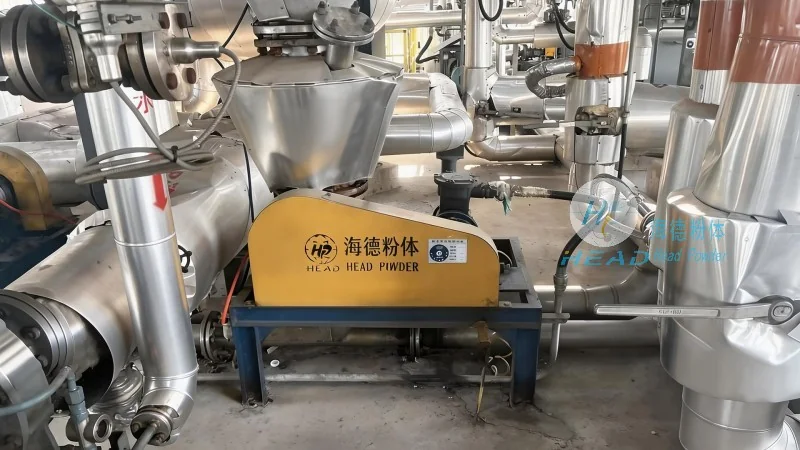
One of the key advantages of soil powder conveying systems is their ability to be customized to meet specific project requirements. Shandong HeadPowder Engineering Co., Ltd. works closely with clients to understand their unique needs, such as the type of soil, the distance to be transported, and the desired output rate. Based on this information, the company designs and manufactures tailored systems that incorporate the latest technology and materials. Integration with existing infrastructure is also a critical aspect of system design, ensuring that the new conveying system can work seamlessly with the client's current operations. The company's team of experienced engineers and technicians provides comprehensive support, from initial design and installation to ongoing maintenance and troubleshooting. This approach ensures that clients receive a reliable and efficient solution that meets their specific needs and enhances their overall operational performance. For example, a mining company in China might require a system that can handle large volumes of ore over a long distance, while a construction firm might need a system for shorter distances with higher precision. Headpowder's customized solutions address these varying needs, providing tailored systems that optimize performance and reduce costs.




