Conveying soybean meal powder is a critical process in industries that utilize this fine material, such as animal feed manufacturing, food processing, and chemical production. Soybean meal, derived from the extraction of soybean oil, is a valuable byproduct with high protein content, making it essential for various applications. However, due to its fine particle size and hygroscopic nature, transporting soybean meal efficiently requires specialized equipment and design considerations to prevent issues like caking, bridging, and material loss. Understanding the fundamentals of soybean meal powder conveying and its underlying design principles is essential for optimizing operational performance and ensuring product quality.
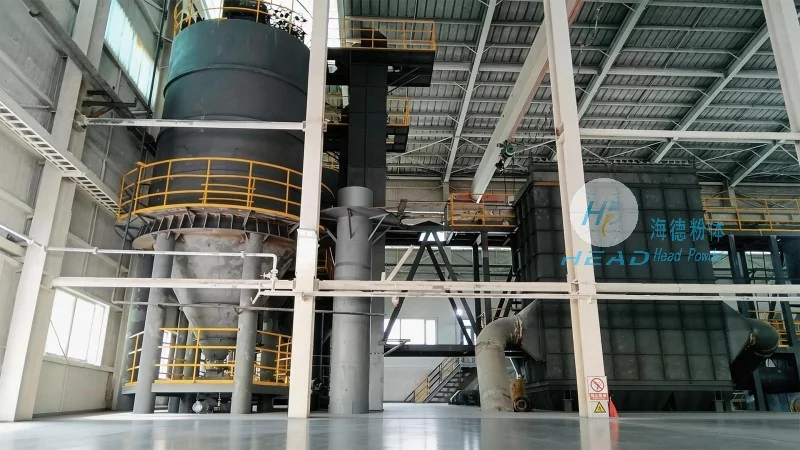
About HeadPowder: A Leading Provider of Powder Handling Solutions
HeadPowder, the brand under Shandong HeadPowder Engineering Co., Ltd., is a prominent engineering company based in Shandong, China, specializing in the design, manufacturing, and implementation of advanced powder handling systems. With a strong commitment to innovation and customer satisfaction, HeadPowder has established itself as a trusted partner for industries seeking reliable solutions for conveying fine powders like soybean meal. Our company leverages years of experience and technical expertise to develop customized systems that meet the unique requirements of each client, ensuring optimal performance and long-term durability.
Key Design Principles for Efficient Soybean Meal Powder Conveying
The design of a soybean meal powder conveying system is guided by several fundamental principles aimed at addressing the challenges posed by the material's properties. One of the primary principles is the prevention of material degradation and agglomeration. Soybean meal is prone to absorbing moisture from the air, which can lead to caking and blockages in conveying equipment. To mitigate this, systems often incorporate moisture control measures, such as airtight enclosures and dehumidification units, to maintain the powder in a dry state. Additionally, gentle handling components, such as screw conveyors or pneumatic conveyors with low air velocity, are used to minimize particle breakage and preserve the material's quality.
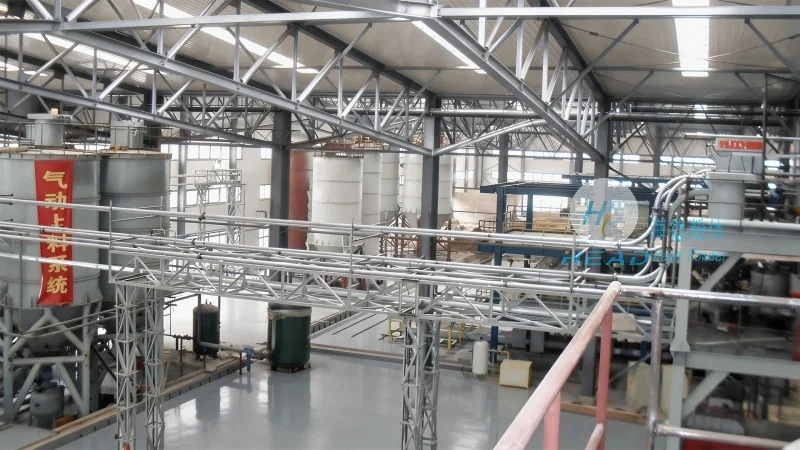
Another critical design principle is the management of air flow and pressure in pneumatic conveying systems. These systems rely on compressed air to transport the powder through pipelines, and the design must ensure consistent air velocity and pressure to maintain smooth flow and prevent blockages. The selection of the appropriate conveying method—whether positive or negative pressure—depends on factors like the distance to be covered, the material's characteristics, and the system's overall efficiency. Proper air filtration and separation are also essential to prevent dust accumulation and maintain air quality.
Core Components and Features of Effective Conveying Systems
An effective soybean meal powder conveying system comprises several key components that work in harmony to ensure reliable operation. The feeding mechanism, typically a hopper or feeder, is responsible for introducing the powder into the system at a controlled rate. This component must be designed to prevent bridging or arching, which can disrupt the flow of material. The conveying equipment itself, such as a screw conveyor or pneumatic line, must be tailored to handle the fine particle size and potential static charge of soybean meal. For example, screw conveyors with smooth, non-stick surfaces can reduce friction and prevent material buildup, while pneumatic systems may use electrostatic discharge (ESD) protection to prevent static-related issues.
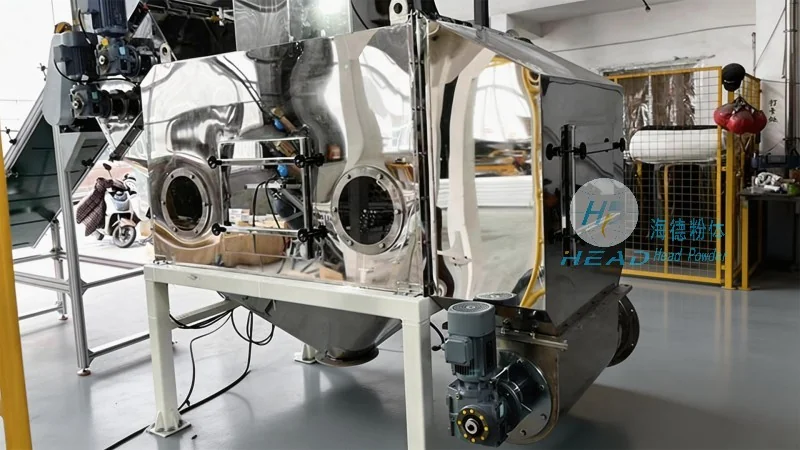
The control system plays a vital role in monitoring and adjusting various parameters, including flow rate, pressure, and temperature. Advanced control systems use sensors and automation to maintain optimal conditions, ensuring consistent performance and preventing equipment damage. Additionally, the system may include features like vibration or agitation to prevent material stagnation and ensure continuous flow. The air filtration and separation system is crucial for maintaining a clean environment and preventing dust contamination, which is particularly important in food and animal feed applications where product purity is paramount.
Applications and Benefits of Soybean Meal Powder Conveying
Soybean meal powder conveying systems are widely employed in various industrial sectors, offering significant benefits to manufacturers. In animal feed production, efficient conveying ensures that soybean meal is delivered to mixing and processing equipment without loss or degradation, improving the quality and consistency of the final feed product. In food processing, the system helps maintain the nutritional value of soybean meal by preventing exposure to moisture and contaminants. The benefits extend to cost savings, as optimized systems reduce material waste and energy consumption, leading to lower operational expenses. Furthermore, enclosed conveying systems enhance workplace safety by minimizing dust exposure and creating a cleaner environment, which is essential for compliance with health and safety regulations.




