Gypsum granular material conveying lines are specialized industrial systems engineered to transport gypsum granules efficiently and reliably. These systems are crucial in various industries, including construction, mining, and chemical processing, where the consistent and safe movement of gypsum granules is essential for production processes. The design of such conveying lines involves a combination of mechanical components, control systems, and material handling expertise to ensure optimal performance under diverse operational conditions.
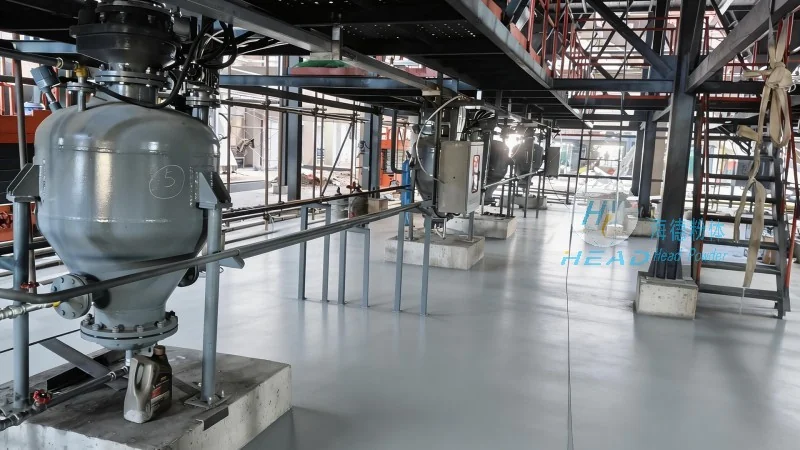
Key Components of Gypsum Granular Material Conveying Lines
The core components of a gypsum granular material conveying line typically include feeders, conveyors (such as belt conveyors, screw conveyors, or pneumatic conveyors), and control units. Feeders are responsible for uniformly feeding gypsum granules into the conveying system, preventing blockages and ensuring a steady flow. Conveyors then transport the material over long distances or vertical heights, with belt conveyors being common for horizontal and slight incline applications due to their high load capacity and durability. Screw conveyors are often used for vertical or inclined transport, providing a compact solution for moving material through chutes or hoppers. Pneumatic conveyors, or air slides, are ideal for handling fine or dusty gypsum granules, as they use air pressure to move material through flexible ducts, minimizing dust exposure and ensuring clean operation.
Design Principles for Gypsum Granular Material Conveying Lines
The design principles of gypsum granular material conveying lines prioritize efficiency, reliability, and safety. One fundamental principle is the selection of appropriate materials for components that come into direct contact with gypsum granules, such as stainless steel or corrosion-resistant alloys, to prevent material degradation and contamination. Another key principle is the consideration of material properties, including particle size, density, and moisture content, as these factors influence the choice of conveyor type and system configuration. For example, larger or heavier gypsum granules may require higher tension belts or stronger screw flights, while finer granules might necessitate air-assisted conveying to avoid clogging. Additionally, the design incorporates proper sealing and dust control measures to maintain a clean working environment and comply with environmental regulations. The control system is another critical design element, as it allows for real-time monitoring of flow rates, pressure, and temperature, enabling operators to adjust the system parameters dynamically and optimize performance.
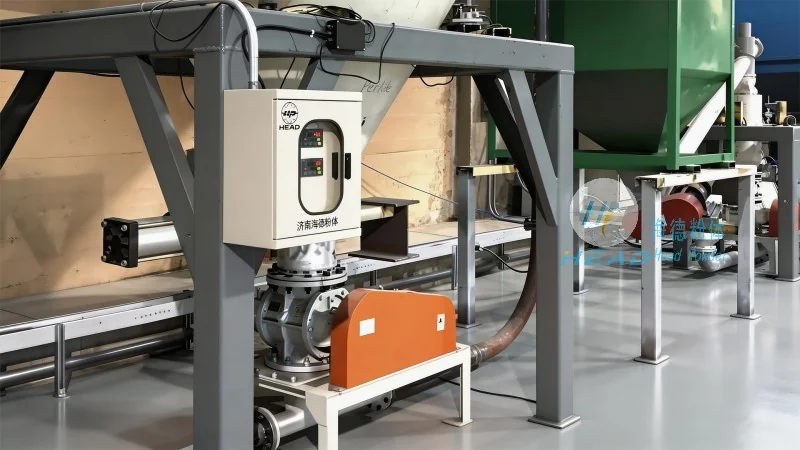
Applications and Industries Served by Gypsum Granular Material Conveying Lines
Gypsum granular material conveying lines are widely used in industries where gypsum is a primary raw material. In the construction industry, these systems are essential for transporting gypsum granules to manufacturing facilities for the production of gypsum boards, drywall, and other building materials. The consistent supply of granules ensures that production lines operate smoothly, meeting the high demand for construction materials. In the mining sector, gypsum granular material conveying lines are used to transport mined gypsum from processing plants to storage or shipping facilities, facilitating efficient material handling and reducing labor costs. The chemical processing industry also relies on these systems for the transport of gypsum granules used in the production of fertilizers, cement additives, and other chemical products. The adaptability of gypsum granular material conveying lines to various industrial applications makes them a versatile solution for material handling needs.
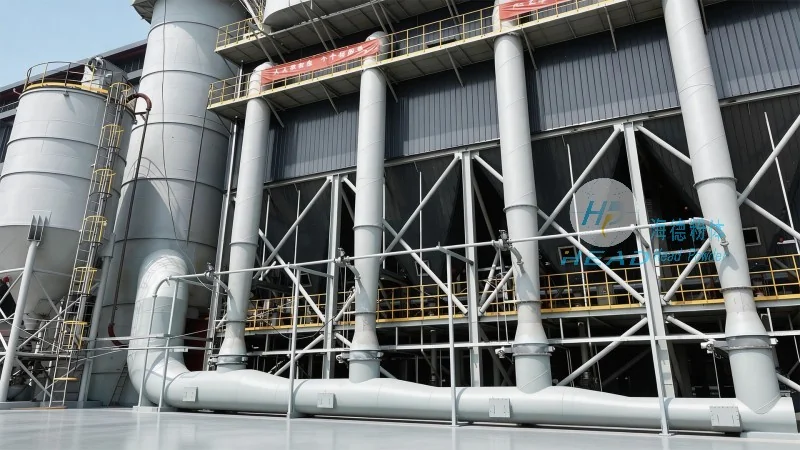
Advantages of Using Gypsum Granular Material Conveying Lines
Implementing gypsum granular material conveying lines offers several advantages over traditional material handling methods. Firstly, these systems provide a continuous and automated flow of gypsum granules, reducing the need for manual labor and minimizing the risk of accidents associated with manual handling. The automated operation also ensures consistent material quality and reduces variability in the final product. Secondly, the efficient design of conveying lines minimizes energy consumption and operational costs, as they are engineered to operate with optimal performance parameters. For example, belt conveyors are known for their low energy consumption compared to other conveyor types, making them a cost-effective solution for long-distance transport. Thirdly, the systems are designed with safety in mind, incorporating features such as emergency stop buttons, overload protection, and dust suppression systems to protect operators and the environment. The reliability of these systems also reduces downtime, as they are built with durable components and regular maintenance schedules to ensure continuous operation. Overall, gypsum granular material conveying lines enhance productivity, improve safety, and lower operational costs, making them a valuable investment for industries relying on gypsum granules.
Customization and Integration with Existing Systems
Shandong HeadPowder Engineering Co., Ltd. specializes in designing and manufacturing customized gypsum granular material conveying lines to meet the specific needs of clients. The company, known as headpowder, understands that each industrial application has unique requirements, and therefore, offers tailored solutions that integrate seamlessly with existing production systems. Customization may include adjusting the conveyor length, modifying the incline angle, or incorporating additional components such as screening or drying units to enhance material quality. The engineering team at headpowder works closely with clients to assess their operational needs, material characteristics, and site constraints, ensuring that the final design is optimized for performance and efficiency. The company also provides comprehensive after-sales support, including installation, commissioning, and maintenance services, to ensure the long-term reliability of the conveying lines. By leveraging their expertise in material handling and industrial engineering, headpowder delivers high-quality, reliable gypsum granular material conveying lines that meet the highest standards of performance and safety.




