Feed pellet material conveying lines are essential systems in the feed processing industry, designed to efficiently transport feed pellets from one processing stage to another. These lines are crucial for maintaining production efficiency and ensuring the smooth operation of feed manufacturing facilities. Understanding the components and design principles of such lines is vital for anyone involved in feed production or equipment selection.
Definition and Purpose of Feed Pellet Material Conveying Lines
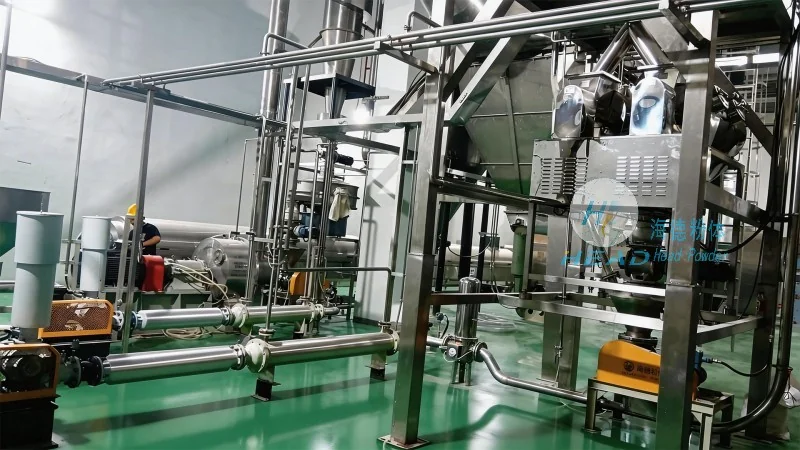
A feed pellet material conveying line is a specialized system engineered to handle and transport feed pellets, which are compacted feed particles produced through the pelleting process. The primary purpose of these lines is to move the pellets from the pelleting machine to subsequent processing stages, such as packaging, storage, or further processing. This system ensures that the feed pellets are transported safely, efficiently, and without damage, maintaining their quality and integrity throughout the process.
Key Components of a Feed Pellet Conveying Line
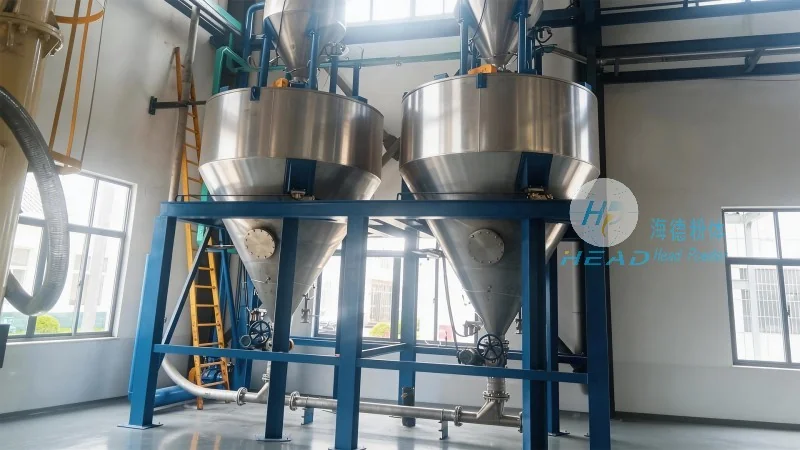
The design of a feed pellet material conveying line typically includes several key components that work together to achieve efficient material handling. These components may include feed hoppers, conveyor belts or chains, vertical or inclined conveyors, and control systems. Each component plays a critical role in the overall operation of the line. For instance, feed hoppers are used to collect the pellets from the pelleting machine and feed them into the conveyor system. Conveyor belts or chains are responsible for transporting the pellets horizontally or at an incline, while vertical conveyors are used to move the pellets vertically, often to higher levels of the facility. Control systems, including sensors and motors, ensure that the conveying process is automated and responsive to production demands.
Design Principles for Efficient Feed Pellet Conveying
The design principles of a feed pellet material conveying line focus on maximizing efficiency, minimizing material loss, and ensuring durability. One key principle is the use of appropriate conveyor materials that are resistant to wear and tear from the feed pellets. This helps to extend the lifespan of the equipment and reduce maintenance costs. Another important principle is the consideration of the feed pellet's characteristics, such as size, moisture content, and density, when selecting the conveyor type and speed. Proper design ensures that the pellets are conveyed without breakage or degradation, which is crucial for maintaining the quality of the final feed product. Additionally, the integration of safety features, such as emergency stop buttons and overload protection, is a critical design consideration to prevent accidents and ensure the safety of operators.
Role of Shandong HeadPowder Engineering Co., Ltd. in Feed Conveying Solutions
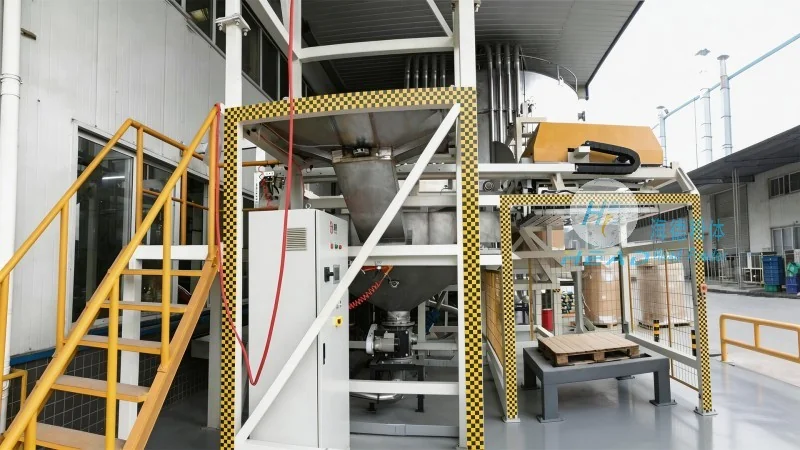
Shandong HeadPowder Engineering Co., Ltd., commonly known as HeadPowder, is a leading manufacturer specializing in feed processing equipment, including feed pellet material conveying lines. With a strong focus on innovation and quality, HeadPowder designs and manufactures conveying systems tailored to the specific needs of feed production facilities. The company's expertise lies in understanding the unique challenges of feed processing and developing solutions that enhance production efficiency and product quality. HeadPowder's conveying lines are engineered to meet the highest standards of durability and performance, ensuring reliable operation in demanding feed manufacturing environments. The company's commitment to customer satisfaction and technical support further positions it as a trusted partner for feed producers seeking efficient and reliable conveying solutions.
Conclusion: The Importance of Well-Designed Feed Pellet Conveying Lines
In conclusion, feed pellet material conveying lines are indispensable components of modern feed processing operations. Their design and functionality directly impact the efficiency, safety, and quality of feed production. By adhering to sound design principles and utilizing high-quality components, these lines ensure that feed pellets are transported effectively and with minimal loss or damage. For feed manufacturers, investing in well-designed conveying systems is a strategic decision that contributes to overall operational success and product excellence. As the feed industry continues to evolve, the importance of reliable and efficient conveying solutions will only grow, making them a critical consideration for any feed production facility.




