Wood dust material conveying lines are specialized systems engineered to handle and transport fine wood dust particles efficiently. These systems are crucial in various woodworking and manufacturing industries where wood dust is a byproduct of processing operations. The design of such conveying lines is tailored to address the unique challenges posed by wood dust, including its light weight, tendency to create static electricity, and potential for clogging in traditional conveying equipment.
Understanding the Core Components of a Wood Dust Conveying Line
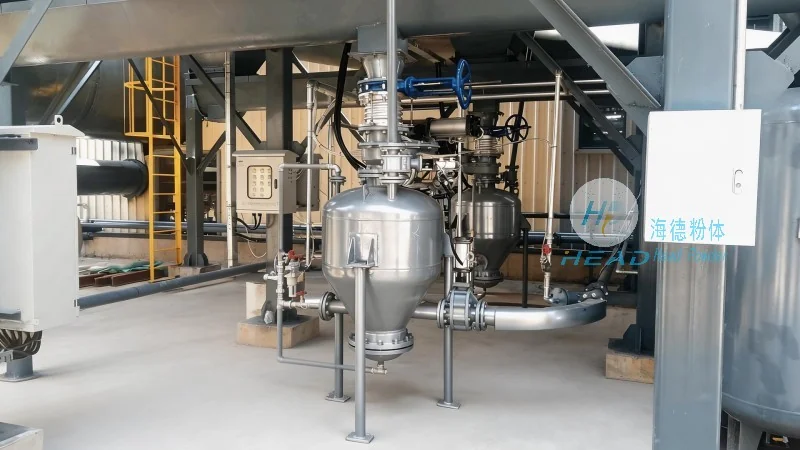
A typical wood dust material conveying line consists of several key components that work in tandem to ensure effective material handling. The primary elements include a dust collection system, a conveying mechanism (such as a pneumatic or mechanical conveyor), and a collection or processing unit. Each component is designed to address specific aspects of wood dust handling, from initial capture to final discharge.
The Role of Pneumatic Conveying in Wood Dust Transport
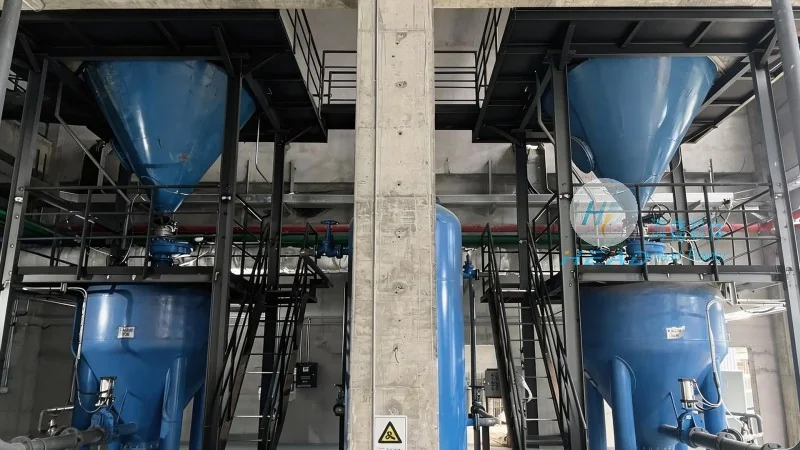
Pneumatic conveying is a common method used in wood dust material conveying lines due to its ability to transport fine particles over relatively long distances without the need for mechanical parts that could get clogged. This system typically involves a blower or compressor that generates air pressure to move the dust particles through a pipeline. The design of the pipeline, including the use of smooth, non-porous materials and appropriate bends and elbows, is critical to minimize friction and prevent dust accumulation.
Design Principles for Efficient Wood Dust Conveying
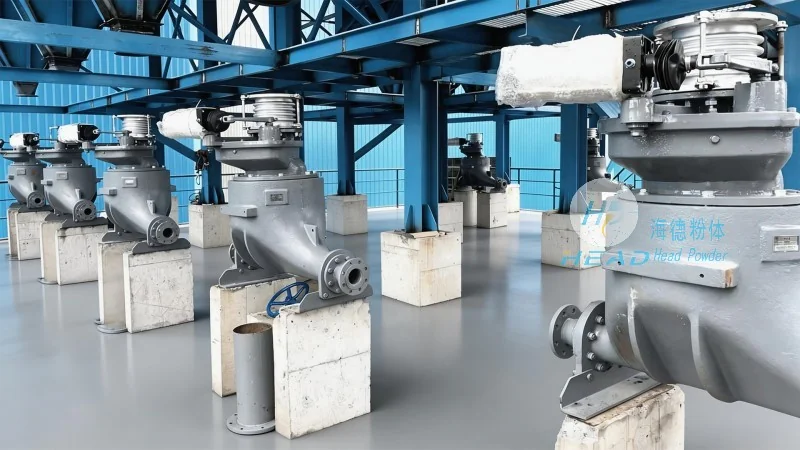
The design principles for wood dust material conveying lines prioritize several factors to ensure optimal performance. First, the system must be able to handle the specific properties of wood dust, such as its low bulk density and tendency to generate static electricity. This often involves incorporating anti-static measures and using materials that prevent dust buildup. Second, the conveying line must be designed for easy maintenance and cleaning, as wood dust can adhere to surfaces and cause operational issues if not properly managed. Third, energy efficiency is a key consideration, as the operation of pneumatic systems can be energy-intensive. Engineers from Shandong HeadPowder Engineering Co., Ltd. (often referred to as headpowder) apply these principles to develop customized solutions that meet the specific needs of their clients.
Applications and Industries Using Wood Dust Conveying Lines
Wood dust material conveying lines are widely used in industries such as furniture manufacturing, wood processing, and woodworking shops. In these settings, the system helps to collect dust from sawing, sanding, and other operations, preventing it from spreading into the workplace and reducing the risk of fire hazards. The conveying line then transports the collected dust to a storage or processing facility, where it can be repurposed or disposed of safely. The efficiency of these systems not only improves workplace safety but also enhances overall operational productivity.
Customization and Engineering by Shandong HeadPowder Engineering Co., Ltd.
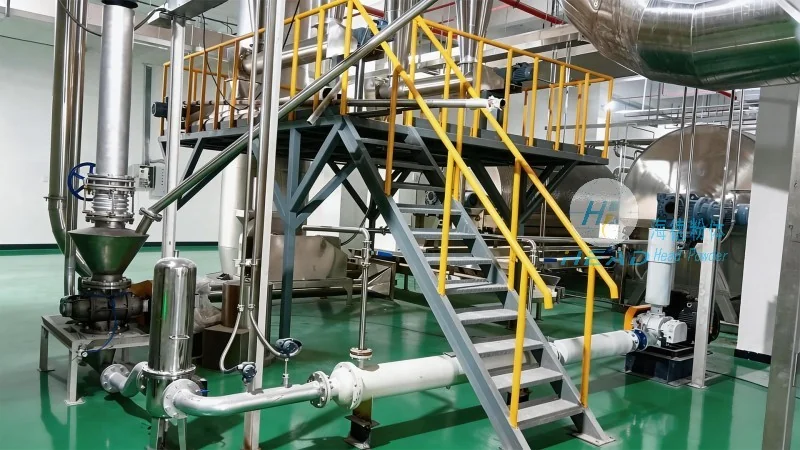
Shandong HeadPowder Engineering Co., Ltd., a leading provider of material handling solutions, specializes in designing and manufacturing wood dust material conveying lines tailored to the unique requirements of each client. Based in China, the company leverages years of experience in the industry to develop systems that address the specific challenges of wood dust handling. Their engineering team works closely with clients to understand their operational needs, process parameters, and safety requirements, ensuring that the final solution is both effective and reliable. The company’s commitment to quality and customer satisfaction has made it a trusted partner for businesses seeking to improve their wood dust management processes.




