Understanding pelletized material pneumatic conveying is crucial for industries dealing with bulk materials, as it offers an efficient and flexible method for transporting these materials over short or long distances. This article explores the fundamental concepts of pelletized material pneumatic conveying and delves into the core design principles that underpin its successful implementation.
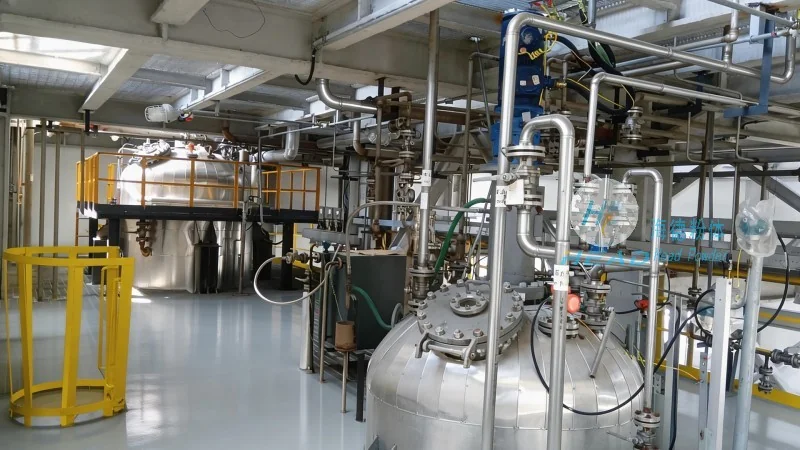
What is Pelletized Material Pneumatic Conveying?
Pelletized material pneumatic conveying, often referred to as pneumatic conveying, is a technology used to transport bulk materials, such as pellets, powders, or granules, through a pipeline using a gas stream, typically air or a mixture of air and other gases. Unlike traditional mechanical conveying systems like belt conveyors or screw conveyors, pneumatic conveying systems rely on the kinetic energy of the gas to move materials, making them particularly suitable for handling fine or dusty materials that may be difficult to transport with mechanical means. The process involves creating a pressure differential within the pipeline, which draws the material into the system and propels it toward the destination. This method is widely used in various industries, including food processing, pharmaceuticals, chemicals, and mining, due to its ability to handle a wide range of materials with minimal product degradation.
The Core Design Principles of Pelletized Material Pneumatic Conveying Systems
The design of a pelletized material pneumatic conveying system is governed by several key principles that ensure efficient and reliable operation. These principles are tailored to the specific characteristics of the material being conveyed, such as particle size, density, moisture content, and flowability. The primary design considerations include the selection of the appropriate conveying type (e.g., pressure, vacuum, or mixed), the determination of the gas velocity and pressure required to move the material, and the sizing of the pipeline, ductwork, and equipment components. A well-designed system must also account for factors like material segregation, pressure drop, and energy consumption to optimize performance and minimize operational costs.
Key Components and Their Roles in Pelletized Material Pneumatic Conveying
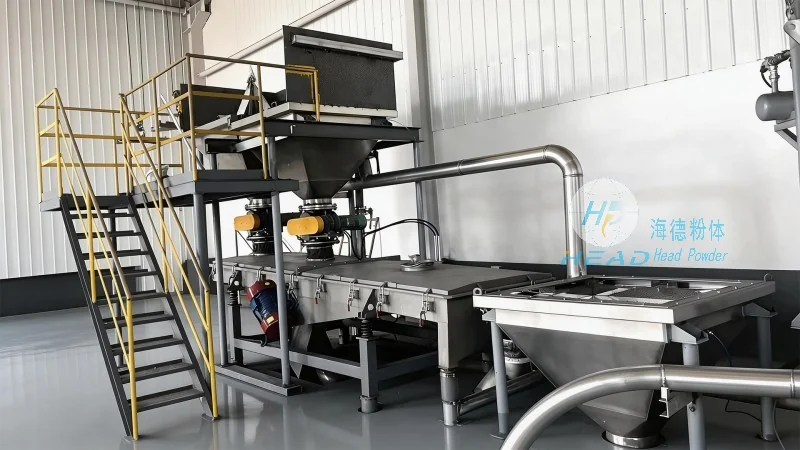
Effective pelletized material pneumatic conveying systems consist of several critical components, each playing a vital role in the overall operation. The main components include the material feed system, which introduces the material into the pipeline; the air supply system, which provides the necessary gas flow; the conveying line, which transports the material; and the discharge system, which delivers the material to its final destination. Additionally, components such as cyclones, filters, and silos are often integrated into the system to manage material separation, filtration, and storage. The material feed system may include hoppers, feeders, or rotary valves to control the flow rate and prevent material bridging or clogging. The air supply system typically consists of a blower or compressor, which generates the required pressure and flow rate, and may include air treatment equipment like filters or humidifiers to ensure the gas quality is suitable for the material being conveyed. The conveying line is designed with appropriate diameter and length to maintain the necessary gas velocity, while the discharge system may include cyclone separators or bag filters to separate the material from the gas stream and prevent dust emissions. These components work in concert to ensure the efficient and safe transport of pelletized materials.
Design Considerations for Different Conveying Types
Pelletized material pneumatic conveying systems can be categorized into three main types based on the pressure differential created within the pipeline: pressure, vacuum, and mixed systems. Each type has distinct design considerations and applications. Pressure systems operate at positive pressure, where the air is forced through the pipeline, and are suitable for conveying materials over long distances or to multiple destinations. Vacuum systems operate at negative pressure, where the air is drawn through the pipeline, and are ideal for short-distance conveying or when the material needs to be transported from a lower to a higher elevation. Mixed systems combine elements of both pressure and vacuum, offering flexibility in conveying different materials or handling varying distances. The choice of conveying type depends on factors such as the material characteristics, the distance between the source and destination, and the number of discharge points. For example, pressure systems are often preferred for high-volume, long-distance conveying of non-abrasive materials, while vacuum systems are better suited for low-volume, short-distance conveying of fine or dusty materials. The design of each system must account for the specific pressure requirements, gas flow rates, and equipment sizing to ensure optimal performance.
Material Handling Challenges and Solutions in Pelletized Material Pneumatic Conveying
Handling pelletized materials with pneumatic conveying systems presents several challenges that must be addressed during the design and operation of the system. One of the primary challenges is material segregation, where different particle sizes or densities separate during transport, leading to uneven material distribution at the discharge point. This can be mitigated by using appropriate feeders, such as rotary valves or screw feeders, and by maintaining consistent gas velocity throughout the pipeline. Another challenge is pressure drop, which occurs as the gas and material flow through the pipeline and equipment, reducing the system's efficiency and increasing energy consumption. Proper sizing of the pipeline and equipment, along with the use of smooth surfaces and minimal bends, can help minimize pressure drop. Additionally, material clogging or bridging in the feed system can be a problem, especially with cohesive or fine materials. Solutions include using hoppers with appropriate angles, adding vibrators or air knives, and selecting feeders with suitable flow characteristics. Dust emissions and air pollution are also concerns, particularly with fine or dusty materials. Effective filtration systems, such as cyclones or bag filters, are essential to capture the material particles and prevent environmental contamination. By addressing these challenges through careful design and operational practices, pelletized material pneumatic conveying systems can achieve high efficiency and reliability.
The Role of Material Properties in System Design
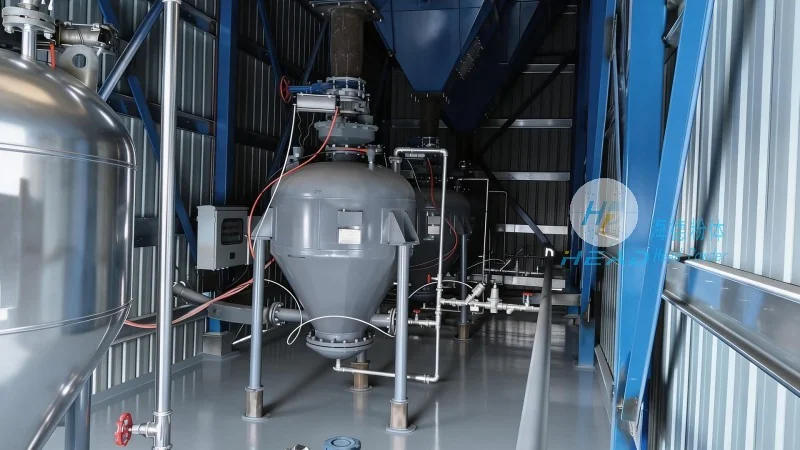
The properties of the pelletized material being conveyed significantly influence the design of the pneumatic conveying system. Key material properties include particle size distribution, density, moisture content, and flowability. Particle size and shape affect the gas velocity required to keep the material suspended and prevent clogging. For example, fine particles may require higher gas velocities to maintain suspension, while larger particles may need lower velocities to avoid excessive wear on the equipment. Material density impacts the pressure and flow rate needed to move the material, as denser materials require more energy to transport. Moisture content can affect the material's flowability and the risk of caking or agglomeration, which may require additional equipment like dryers or agitators. Flowability, or the ease with which the material moves, is critical for efficient feeding and preventing blockages. Materials with poor flowability may need to be pre-treated, such as by adding lubricants or using vibrators, to improve their handling characteristics. Understanding these material properties is essential for selecting the appropriate conveying type, determining the gas velocity and pressure, and sizing the system components to ensure optimal performance and minimize operational issues.
Case Study: A Real-World Application of Pelletized Material Pneumatic Conveying
Shandong HeadPowder Engineering Co., Ltd., a leading provider of material handling solutions, has successfully implemented pelletized material pneumatic conveying systems for various industrial applications. One notable case involves the transportation of food-grade pellets from a processing plant to a storage silo. The system was designed as a pressure-type pneumatic conveying system, utilizing a high-efficiency blower to generate the necessary pressure and flow rate. The pipeline was sized to maintain a gas velocity of 20-25 m/s, ensuring the pellets were suspended and transported efficiently. The feed system included a rotary valve and a hopper with a 60-degree angle to prevent material bridging and ensure consistent flow. A cyclone separator was integrated into the discharge system to separate the pellets from the air stream and prevent dust emissions. The system was designed to handle 10 tons per hour of material, with a total conveying distance of 150 meters. The implementation of this system resulted in significant improvements in material handling efficiency, reduced labor costs, and minimized product degradation compared to traditional mechanical conveying methods. This case study highlights the effectiveness of pelletized material pneumatic conveying systems in real-world industrial applications and demonstrates the expertise of Shandong HeadPowder Engineering Co., Ltd. in designing and implementing such systems.
Pelletized material pneumatic conveying is a versatile and efficient method for transporting bulk materials, and its design principles are critical to ensuring optimal performance. By carefully considering material properties, conveying type, and system components, engineers can design systems that meet the specific needs of their applications. The success of such systems depends on the expertise of companies like Shandong HeadPowder Engineering Co., Ltd., which specializes in providing tailored material handling solutions. With proper design and operation, pelletized material pneumatic conveying systems can offer significant advantages over traditional mechanical conveying methods, including reduced labor costs, improved material quality, and enhanced operational flexibility.




