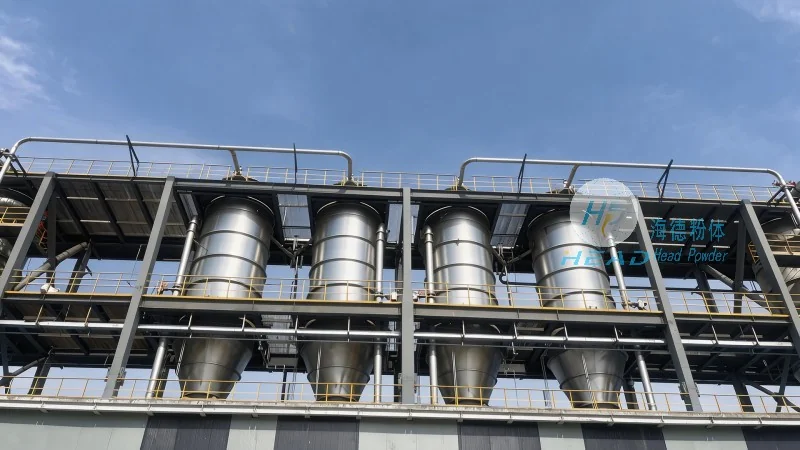
When it comes to the efficient and reliable transportation of chicken essence materials, pneumatic conveying systems offer a sophisticated solution. This technology is particularly valuable in the food processing industry, where maintaining product quality and hygiene is paramount. Understanding the fundamentals of chicken essence material pneumatic conveying, including its design principles, is crucial for optimizing production processes and ensuring operational efficiency.
Introduction to Chicken Essence Material Pneumatic Conveying
Pneumatic conveying, also known as air conveying, is a method of transporting bulk materials through a pipeline using compressed air or other gas. In the context of chicken essence materials, which are often fine powders or granules, this technology provides a clean, enclosed system that minimizes contamination and product degradation. The process involves feeding the material into a hopper, where it is then drawn into a pipeline by the force of the moving air. As the material travels through the system, it is separated from the air at the discharge point, typically using a cyclone separator or other filtration equipment.
Key Components of a Pneumatic Conveying System for Chicken Essence
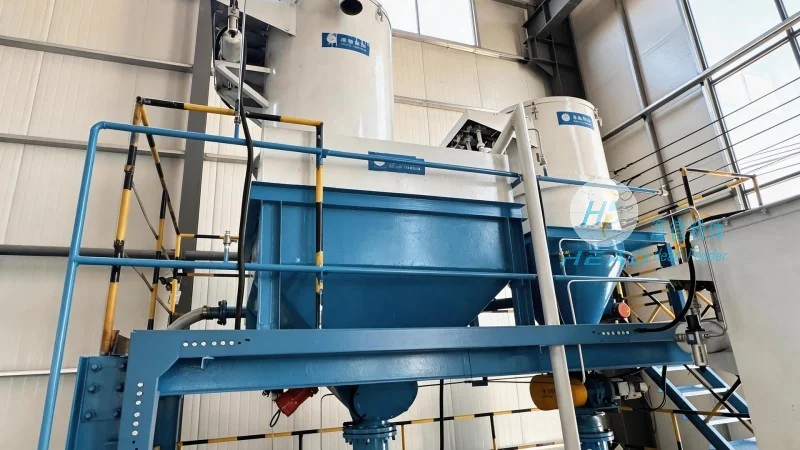
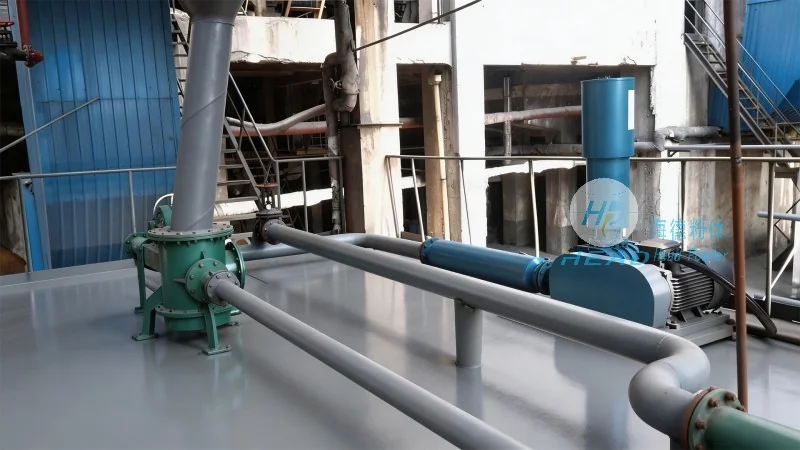
A typical pneumatic conveying system for chicken essence materials consists of several critical components. These include a material hopper or feeder, a conveying line (usually made of stainless steel to ensure hygiene and durability), a blower or compressor to generate the necessary air pressure, and a receiver or collection tank at the discharge end. Additionally, the system may incorporate components such as a rotary valve, which controls the flow of material from the hopper, and a filter or dust collector to capture any fine particles and maintain air quality.
Design Principles for Optimal Performance
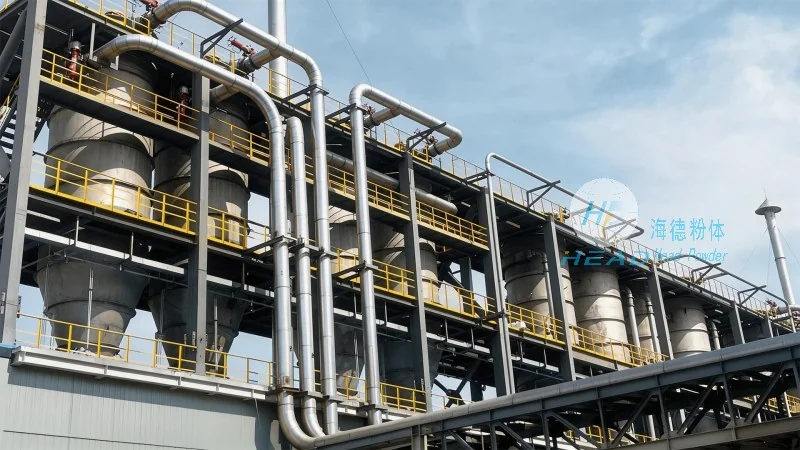
The design of a chicken essence material pneumatic conveying system is based on several key principles to ensure efficient operation and minimal energy consumption. One of the primary considerations is the material's properties, such as its density, flowability, and moisture content. These factors determine the appropriate air velocity and pressure required to move the material through the system without causing blockages or excessive wear on components. For chicken essence, which is typically a fine powder, higher air velocities may be needed to prevent clogging, while maintaining sufficient pressure to overcome pipeline resistance.
Another critical design principle is the system's layout and configuration. The length and diameter of the conveying line, as well as the number and placement of bends or elbows, directly impact the system's performance. Properly designed bends with smooth transitions help maintain air flow and prevent material buildup. The choice of blower type—whether positive displacement or centrifugal—also plays a role in energy efficiency and system capacity. Positive displacement blowers are often preferred for high-pressure applications, providing consistent air flow and pressure, which is essential for handling fine powders like chicken essence.
Advantages of Using Pneumatic Conveying for Chicken Essence
Implementing a pneumatic conveying system for chicken essence materials offers numerous advantages over traditional methods like belt conveyors or bucket elevators. One of the most significant benefits is the enclosed, dust-free environment, which prevents contamination from external sources and maintains product purity. This is particularly important in food processing, where hygiene regulations are stringent. Additionally, pneumatic conveying systems are highly flexible, allowing for easy integration into existing production lines and the ability to transport materials over long distances without the need for multiple transfer points.
Energy efficiency is another key advantage. By optimizing air velocity and pressure, modern pneumatic conveying systems can operate with lower energy consumption compared to other bulk material handling methods. This not only reduces operational costs but also contributes to a more sustainable manufacturing process. Furthermore, the system's ability to handle fine powders without the need for mechanical components reduces maintenance requirements and extends the lifespan of equipment.
Considerations for System Maintenance and Safety
While pneumatic conveying systems offer many benefits, proper maintenance and safety considerations are essential for long-term performance. Regular cleaning and inspection of the conveying line, hopper, and filter system are necessary to prevent material buildup and ensure air flow remains consistent. The use of stainless steel components is recommended to withstand the corrosive nature of chicken essence and to facilitate easy cleaning. Safety features, such as pressure relief valves and air filters, are also critical to prevent accidents and maintain a safe working environment.
Shandong HeadPowder Engineering Co., Ltd., a leading provider of bulk material handling solutions, specializes in designing and manufacturing pneumatic conveying systems tailored to the specific needs of the food industry. With years of experience in the field, the company ensures that its systems meet the highest standards of hygiene, efficiency, and reliability. HeadPowder's expertise in material handling technology allows them to provide customized solutions that optimize production processes and enhance overall operational performance for clients in the chicken essence and other food processing sectors.




