Heavy calcium powder is a widely used material in various industries, and its efficient transportation is crucial for production processes. Pneumatic conveying is a key technology used to move such powders, offering advantages like low cost, flexibility, and the ability to handle materials in a closed system. This article explores the concept of pneumatic conveying for heavy calcium powder and delves into the design principles that underpin its effective implementation.
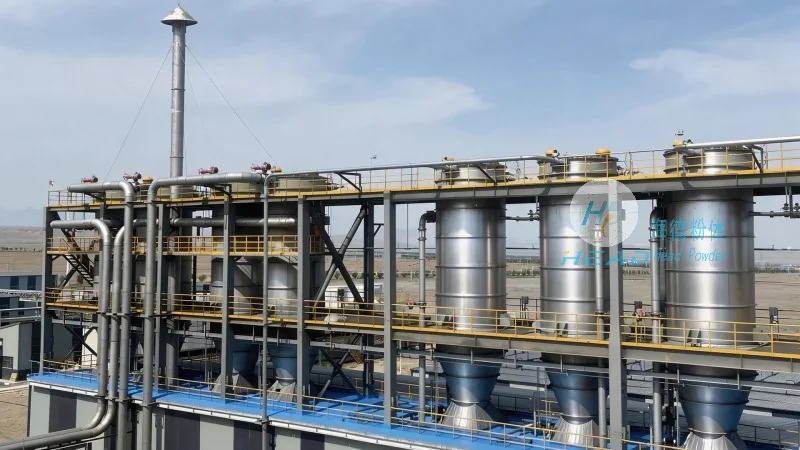
Understanding Pneumatic Conveying for Heavy Calcium Powder
Pneumatic conveying involves the use of air or other gases to transport solid materials like heavy calcium powder through a pipeline system. Unlike traditional methods such as bucket elevators or belt conveyors, pneumatic systems can handle fine powders without the need for mechanical contact, reducing the risk of material degradation or contamination. The process typically operates by creating a pressure differential or using vacuum to move the powder particles along the pipeline.
Key Design Principles for Heavy Calcium Powder Pneumatic Conveying Systems
The design of a pneumatic conveying system for heavy calcium powder requires careful consideration of several critical factors to ensure optimal performance and reliability. These principles include material properties, system configuration, and operational parameters.
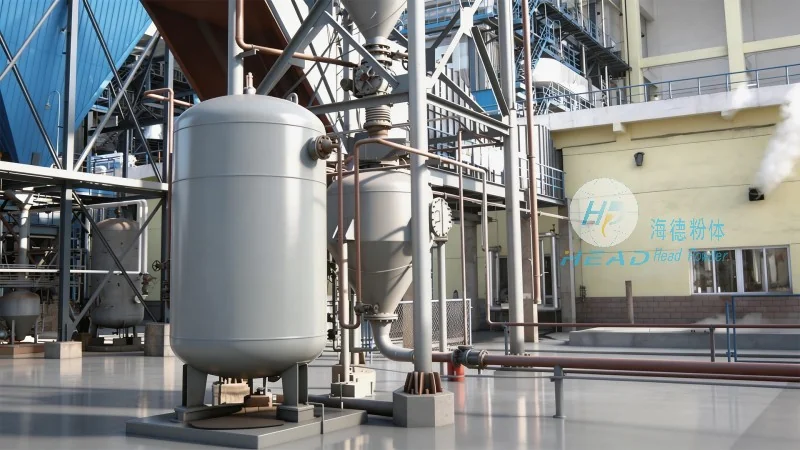
Material Properties and Their Impact on Conveying Design
Heavy calcium powder has specific characteristics that influence the choice of conveying system. The powder's particle size, density, and flowability are primary considerations. For example, finer particles may require higher air velocities to prevent clogging, while larger particles might need larger duct diameters to maintain efficient flow. Additionally, the powder's moisture content and tendency to agglomerate can affect the system's design, as agglomerates can cause blockages and reduce conveying efficiency.
System Configuration and Components
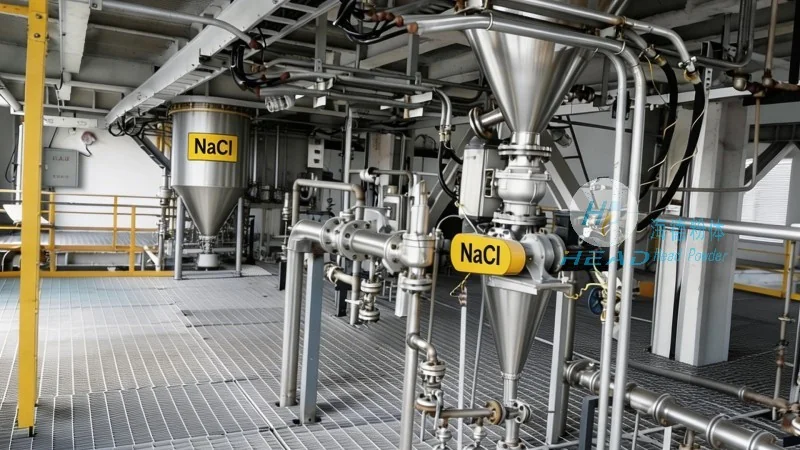
A typical pneumatic conveying system for heavy calcium powder consists of several key components, including a material feed hopper, a conveyor line, a separation or collection unit, and a dust collection system. The feed hopper is designed to store and meter the powder into the system, ensuring a consistent flow rate. The conveyor line, made of materials resistant to corrosion and abrasion, transports the powder through the system. The separation unit, often a cyclone or bag filter, separates the powder from the air stream, allowing the powder to be collected for further use. The dust collection system ensures that any airborne particles are captured and disposed of safely.
Operational Parameters and Performance Optimization
Several operational parameters are crucial for the efficient operation of a heavy calcium powder pneumatic conveying system. These include air velocity, pressure differential, and flow rate. Air velocity must be sufficient to keep the powder particles suspended and moving through the pipeline, but not so high as to cause excessive wear on the system components or energy consumption. The pressure differential or vacuum level determines the distance and height the powder can be conveyed. Proper control of these parameters is essential to maintain system efficiency and prevent issues such as clogging or material degradation.
Applications and Benefits of Heavy Calcium Powder Pneumatic Conveying
The use of pneumatic conveying for heavy calcium powder offers numerous benefits across various industries. These include improved product quality by minimizing exposure to contaminants, reduced labor costs due to automated material handling, and enhanced safety by operating in a closed system. The technology is particularly suitable for applications where dust control is critical, such as in pharmaceutical, food, and chemical industries. Additionally, pneumatic systems can be easily integrated into existing production lines, providing flexibility and scalability for different production needs.
Conclusion
Pneumatic conveying is a vital technology for the efficient transportation of heavy calcium powder materials. By understanding the design principles and considering the material properties and operational parameters, engineers can design and implement effective pneumatic conveying systems that meet the specific needs of their applications. The technology offers significant advantages in terms of cost, flexibility, and safety, making it a preferred choice for many industries. As a leading provider in the field, Shandong HeadPowder Engineering Co., Ltd. specializes in the design and implementation of such systems, leveraging years of expertise to deliver reliable and efficient solutions for heavy calcium powder handling.




