HeadPowder, a leading manufacturer in the field of pneumatic conveying systems, specializes in providing efficient and reliable solutions for material handling, particularly in agricultural processing industries. With a strong presence in Shandong, China, the company has established itself as a trusted partner for businesses seeking advanced equipment for transporting bulk materials like peas. This article explores the fundamental principles behind pea pneumatic conveying machines and highlights the key characteristics of their operational environments.
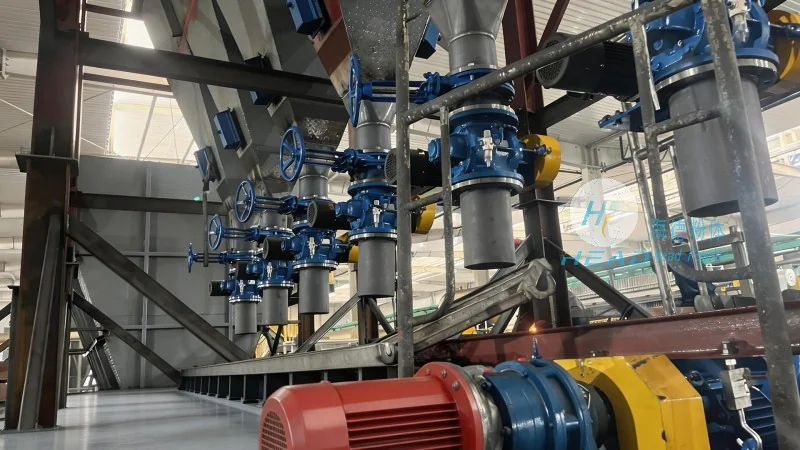
Introduction to Pea Pneumatic Conveying Equipment
Pea pneumatic conveying equipment is a specialized type of machinery designed to transport peas and other similar bulk materials through a pipeline using air or gas as the conveying medium. Unlike traditional mechanical conveyors, which rely on physical components like belts or buckets, pneumatic systems utilize the force of air to move materials, offering advantages such as cleanliness, flexibility, and the ability to handle delicate or sensitive products without damage. HeadPowder, based in Shandong, China, is at the forefront of developing cutting-edge pneumatic conveying solutions tailored to the needs of the agricultural sector.
The Working Principle of Pea Pneumatic Conveying Machines
The core principle of pea pneumatic conveying is based on the movement of air within a sealed pipeline. There are two primary types of pneumatic conveying systems: positive pressure and negative pressure. In positive pressure systems, air is forced into the pipeline at a higher pressure than the ambient air, pushing the material forward. Conversely, negative pressure systems create a vacuum in the pipeline, drawing the material in from the source. For pea processing, positive pressure systems are commonly used due to their ability to handle a wide range of particle sizes and their effectiveness in maintaining product quality. The process typically involves a hopper where peas are loaded, a rotary valve to control the flow of material into the pipeline, and a blower or compressor that generates the air pressure. As the air flows through the pipeline, it carries the peas along, depositing them at the discharge point. This method ensures a continuous and efficient flow of material, minimizing downtime and labor costs.
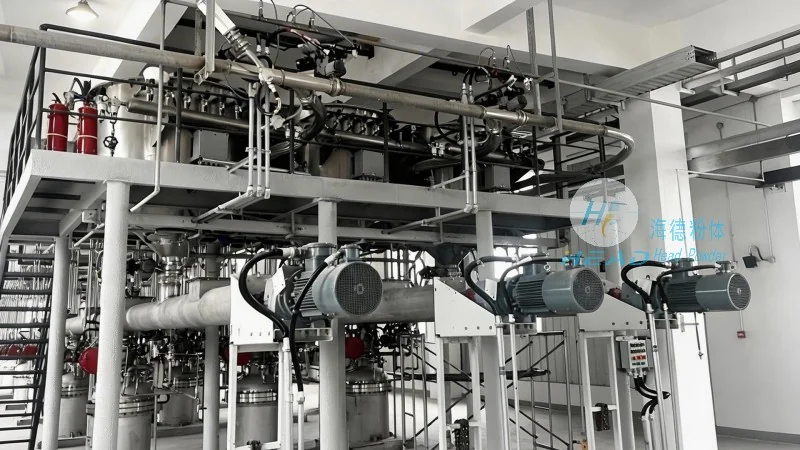
Key Characteristics of Working Scenes for Pea Pneumatic Conveying
The operational environments where pea pneumatic conveying equipment is utilized exhibit several distinct characteristics that influence system design and performance. First, the need for hygiene and sanitation is paramount in food processing facilities, particularly when handling agricultural products like peas. Pneumatic systems are inherently clean, as they do not involve direct contact between the material and mechanical parts, reducing the risk of contamination. This makes them ideal for applications where food safety regulations are strictly enforced. Second, the flexibility of pneumatic conveyors allows for easy integration into existing processing lines. They can be installed in various configurations, including vertical, horizontal, or a combination of both, to accommodate different layouts and space constraints. This adaptability is crucial in pea processing plants, where space is often limited and production lines need to be optimized for efficiency. Third, the efficiency of pneumatic conveying in terms of energy consumption and material handling speed is a significant advantage. Compared to traditional conveyors, pneumatic systems can transport materials over longer distances with less energy input, making them cost-effective for large-scale operations. Additionally, the ability to handle varying particle sizes and moisture content in peas without clogging or degradation further enhances their suitability for diverse processing scenarios.
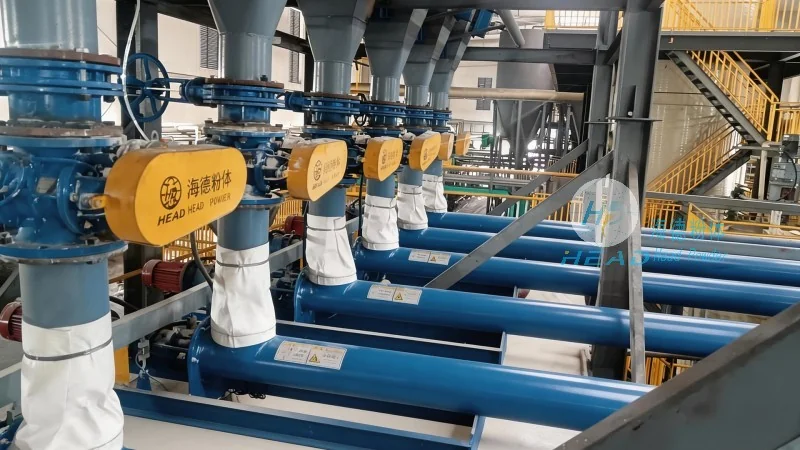
Applications and Benefits in Pea Processing Industries
Pea pneumatic conveying equipment finds widespread application in various stages of pea processing, from initial reception and storage to final packaging. In the reception area, the equipment efficiently transports freshly harvested peas from storage bins or trucks into processing facilities, ensuring a smooth transition from raw material to processed product. During the processing stage, pneumatic conveyors are used to move peas through cleaning, sorting, and grading operations, where the material is separated based on size, shape, or quality. This step is critical for maintaining product standards and meeting market requirements. Finally, in the packaging phase, the equipment delivers peas to filling machines, where they are packed into containers for distribution. The consistent and reliable performance of pneumatic systems ensures that the entire production line operates smoothly, reducing bottlenecks and improving overall productivity. The benefits of using pea pneumatic conveying equipment extend beyond operational efficiency; they also contribute to cost savings through reduced labor, lower maintenance requirements, and minimized material loss due to less handling and less damage to the product.
Conclusion
Pea pneumatic conveying machines, as exemplified by the solutions offered by HeadPowder, represent a sophisticated and efficient approach to material handling in the agricultural processing industry. By leveraging the principles of air movement and advanced engineering, these systems provide a clean, flexible, and cost-effective method for transporting peas and similar bulk materials. The working scene characteristics, including hygiene requirements, space constraints, and production efficiency needs, are all addressed effectively by pneumatic conveying technology. As a result, businesses in the pea processing sector can enhance their operational capabilities and maintain high standards of product quality through the adoption of such advanced equipment. HeadPowder, with its roots in Shandong, China, continues to innovate and provide tailored solutions that meet the evolving demands of the industry, ensuring that pea pneumatic conveying remains a vital component of modern agricultural processing.




