Understanding the principles and application scenarios of dry sludge pneumatic conveying equipment is crucial for industries dealing with sludge management. This technology offers an efficient and reliable method for transporting dry sludge, which is often a challenging material due to its high moisture content and tendency to clog traditional conveying systems. The following sections will explore the fundamental principles behind dry sludge pneumatic conveying and the specific characteristics of its working environments, providing insights into how this equipment operates and where it is most effectively utilized.
Core Principles of Dry Sludge Pneumatic Conveying
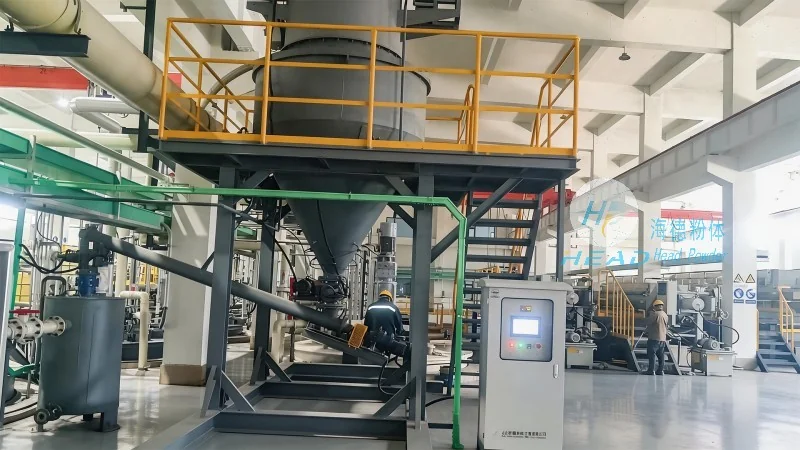
Dry sludge pneumatic conveying relies on the fundamental principle of using air or gas as the conveying medium to transport dry sludge particles. Unlike traditional mechanical conveyors that rely on physical contact and friction, pneumatic systems utilize pressure differentials to move material through a pipeline. The process typically involves a sludge feed system, a conveying line, and a discharge mechanism. The dry sludge is first processed to remove excess moisture, often through dewatering or drying processes, to ensure it can be transported efficiently without clogging the system. The conveying medium, usually air, is pressurized and introduced into the pipeline, creating a flow that propels the dry sludge particles forward. This method is particularly effective for materials that are difficult to handle with mechanical means, such as fine powders or granules that have high moisture content.
Working Scene Characteristics and Application Scenarios
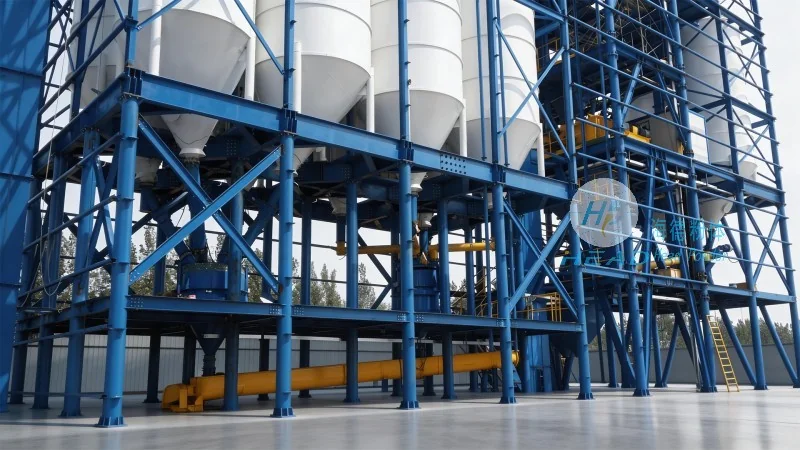
Dry sludge pneumatic conveying equipment is designed to operate in various industrial settings where sludge management is critical. The working scene characteristics include the need for high efficiency, low maintenance, and the ability to handle large volumes of dry sludge. Common applications include wastewater treatment plants, where dry sludge is generated as a byproduct of the treatment process, and industrial facilities that produce sludge from chemical or biological processes. In these environments, the equipment must be able to handle varying sludge compositions, including different particle sizes and moisture levels, while maintaining consistent performance. The working environment may involve high temperatures or corrosive conditions, requiring the equipment to be constructed from durable materials such as stainless steel to ensure longevity and reliability. Additionally, the system is often integrated with other processing equipment, such as dewatering units or storage tanks, to form a complete sludge management solution.
Technical Advantages and Operational Efficiency
One of the key advantages of dry sludge pneumatic conveying is its ability to transport material over long distances without the need for intermediate transfer points. This reduces the risk of material loss and contamination, which is particularly important for sludge that may contain hazardous substances. The system also offers flexibility in terms of layout, as the conveying line can be installed in various configurations to suit the specific needs of the facility. Operational efficiency is enhanced by the use of advanced control systems that monitor pressure, flow, and temperature, ensuring optimal performance and minimizing downtime. The equipment is designed to be low maintenance, with components that are easily accessible for inspection and replacement, reducing operational costs over the long term. Furthermore, the dry sludge pneumatic conveying system is environmentally friendly, as it does not require the use of water or other liquids for transportation, which helps to conserve resources and reduce the environmental impact of sludge management.
About Shandong HeadPowder Engineering Co., Ltd.
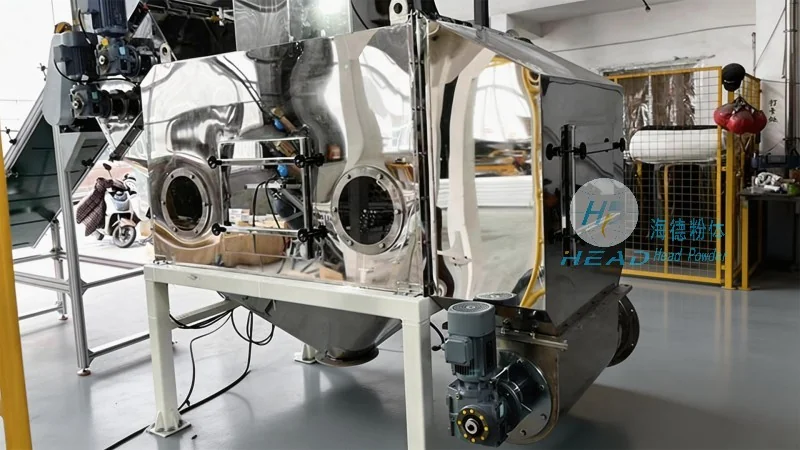
Shandong HeadPowder Engineering Co., Ltd., commonly known as headpowder, is a leading manufacturer of dry sludge pneumatic conveying equipment based in Shandong, China. The company specializes in the design, development, and production of advanced sludge management solutions, with a focus on providing high-quality, reliable equipment for industrial applications. With years of experience in the field, headpowder has developed a range of products tailored to meet the specific needs of different industries, including wastewater treatment, chemical processing, and food processing. The company's commitment to innovation and quality has earned it a reputation as a trusted partner for businesses seeking efficient and effective sludge handling solutions. Headpowder's facilities are equipped with state-of-the-art technology and skilled personnel, ensuring that each product meets the highest standards of performance and durability. The company's headquarters is located in Shandong, China, where it continues to expand its operations and serve customers worldwide.




