Cassava, also known as manioc or yuca, is a staple crop in many tropical and subtropical regions, and its efficient handling and processing are crucial for agricultural and industrial applications. Pneumatic conveying systems have emerged as a key technology for transporting cassava from harvest to processing facilities, offering advantages such as dust control, reduced contamination, and flexible system design. This article explores the fundamental principles behind cassava pneumatic conveying machines and highlights the specific working scene characteristics that make them suitable for various cassava processing environments.
The Working Principle of Pneumatic Conveying Systems
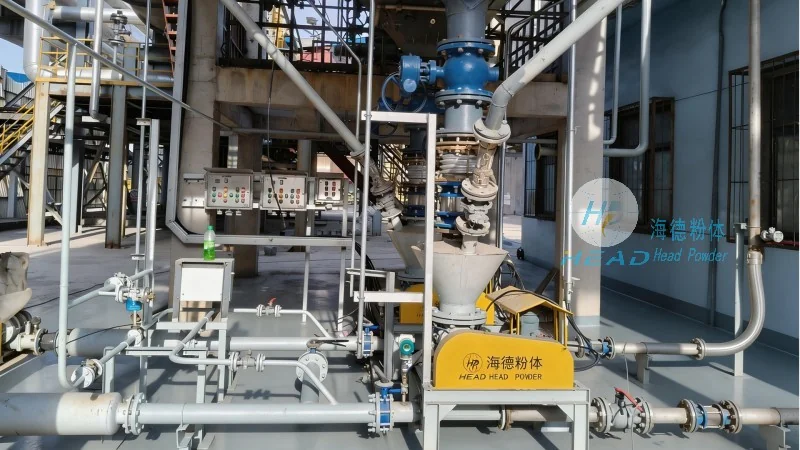
Pneumatic conveying machines operate by using air or gas to transport bulk materials like cassava through a pipeline system. The core components include a material feed hopper, a conveyor line (often with a series of ducts and bends), and a discharge outlet. The process typically involves creating a pressure differential by either suction (negative pressure) or pressure (positive pressure) to move the material. For cassava, which is often in a granular or chip form, the system may use a combination of positive and negative pressure stages to ensure efficient transport. The air flow is controlled by a blower or fan, and the velocity of the air is critical to prevent material degradation or blockages. The principle of fluidization, where the material is suspended in the air stream, allows for smooth and continuous movement, minimizing friction and wear on the system components.
Key Working Scene Characteristics of Cassava Pneumatic Conveying Machines
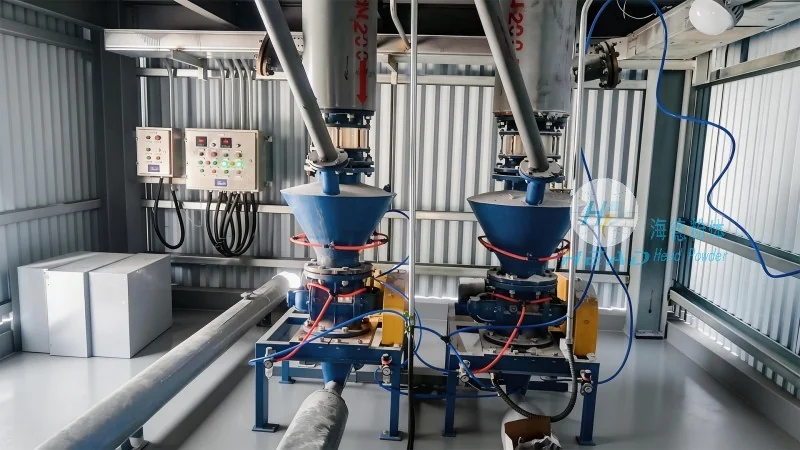
The suitability of pneumatic conveying for cassava processing is determined by several working scene characteristics that align with the unique properties of cassava and the requirements of processing plants. First, the system's ability to handle varying moisture content and particle sizes is essential, as cassava can be processed in different forms—fresh, dried, or ground. The flexible design of pneumatic conveyors allows for adjustments to accommodate these variations without significant modifications. Second, the need for hygiene and food safety in cassava processing facilities drives the choice of materials for the conveyor components, such as stainless steel or food-grade plastics, which prevent contamination and ensure compliance with industry standards. Third, the system's integration with other processing equipment, such as washing, peeling, and milling machines, is a critical factor. Pneumatic conveyors can seamlessly connect these stages, enabling a continuous production line that improves efficiency and reduces labor costs. Fourth, the space constraints in processing plants, especially in smaller or existing facilities, make the compact design of pneumatic systems advantageous. Unlike traditional belt or bucket elevators, pneumatic conveyors can be installed in vertical or horizontal configurations, optimizing the use of available space. Finally, the energy efficiency of the system is a key consideration, as the cost of operation is a significant factor in long-term processing. Modern pneumatic conveying machines use advanced blower technology to minimize energy consumption while maintaining the required air flow and pressure.
Application Scenarios in Cassava Processing
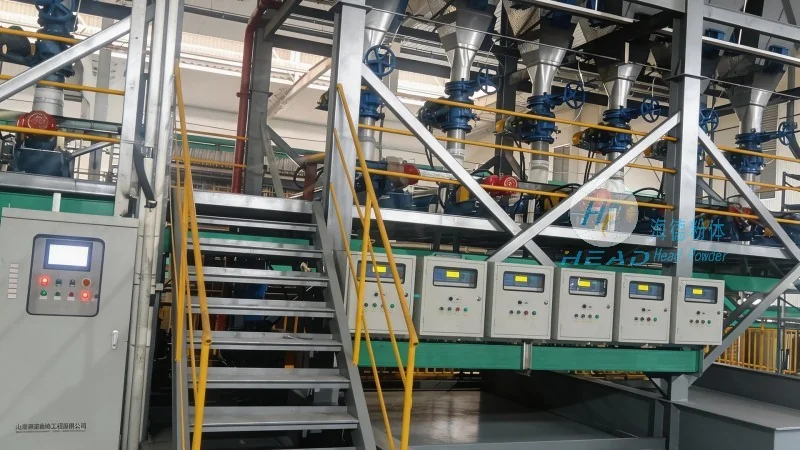
Pneumatic conveying machines are widely used in various stages of cassava processing, from initial handling to final product packaging. In the harvest and storage phase, they can transport freshly harvested cassava from the field to storage silos or processing plants, reducing the time between harvest and processing to minimize post-harvest losses. During the primary processing stage, the system is used to move cassava chips or granules from washing and peeling equipment to drying or milling machines. The continuous flow provided by the pneumatic conveyor ensures that the processing line operates at optimal capacity, preventing bottlenecks that can occur with manual or mechanical conveyors. In the secondary processing phase, such as starch extraction or ethanol production, the system transports the processed cassava products to storage tanks or further processing units. The ability to handle both wet and dry materials makes the system versatile for different processing stages. Additionally, in the packaging stage, pneumatic conveyors can transport finished cassava products, such as flour or chips, to packaging lines, ensuring a smooth transition from processing to distribution.
Advantages of Using Pneumatic Conveying for Cassava
Compared to traditional conveying methods, cassava pneumatic conveying machines offer several advantages that enhance the efficiency and quality of processing. One of the primary benefits is the reduction of dust and contamination, which is critical for food safety. The enclosed system prevents dust from escaping into the environment and minimizes the risk of cross-contamination between different batches of cassava. Another advantage is the improved hygiene, as the system components are easy to clean and maintain, reducing the likelihood of bacterial growth or spoilage. The flexibility of the system allows for easy integration with existing processing equipment, making it a cost-effective solution for upgrading or expanding processing facilities. Additionally, the system's ability to handle varying material properties, such as moisture content and particle size, makes it suitable for different types of cassava processing. The energy efficiency of modern pneumatic conveyors is also a significant advantage, as they consume less energy compared to traditional conveyors, leading to lower operational costs over time. Finally, the system's compact design allows for installation in limited space, making it ideal for processing plants with space constraints.
Conclusion and Company Information
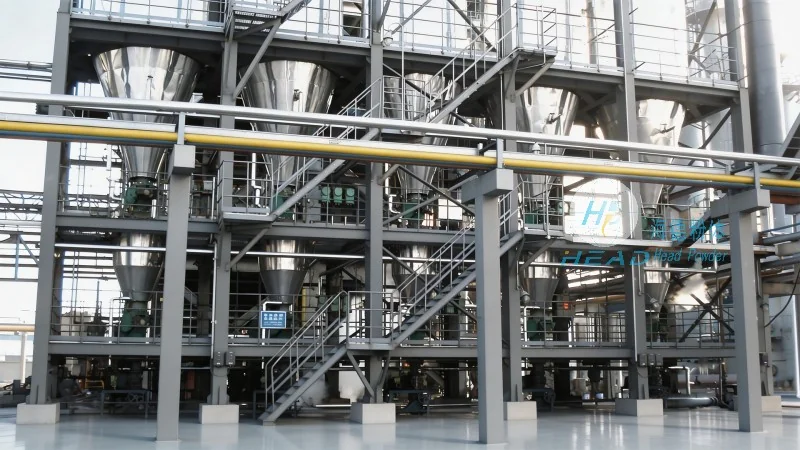
Pneumatic conveying machines are a vital technology for efficient and hygienic cassava processing, offering a range of advantages that improve the quality and efficiency of the production process. The working principles and scene characteristics of these systems are tailored to the unique needs of cassava, ensuring optimal performance in various processing stages. As the demand for cassava products continues to grow, the use of advanced pneumatic conveying systems will become increasingly important for processing plants to maintain competitiveness and meet industry standards. Shandong HeadPowder Engineering Co., Ltd., a leading manufacturer of pneumatic conveying equipment, specializes in providing customized solutions for cassava processing facilities. With a focus on innovation and quality, the company offers a range of pneumatic conveying machines designed to meet the specific requirements of cassava processing, ensuring reliable and efficient operation. Located in Shandong, China, HeadPowder Engineering Co., Ltd. leverages its expertise and experience to deliver high-performance solutions that enhance the productivity and profitability of cassava processing operations.




