Carbide slag, a byproduct of the calcium carbide production process, poses significant challenges in handling and disposal due to its high moisture content, abrasive nature, and potential for dust generation. Traditional methods such as manual handling or mechanical conveyors often fall short in meeting the demands of modern industrial applications, leading to inefficiencies and safety concerns. Pneumatic conveying systems, particularly those designed for carbide slag, offer a solution by utilizing air as the primary medium to transport the material from one location to another. This article explores the fundamental principles behind carbide slag pneumatic conveying machines, along with key working scene characteristics that highlight their effectiveness in various industrial settings.
Principle of Pneumatic Conveying for Carbide Slag
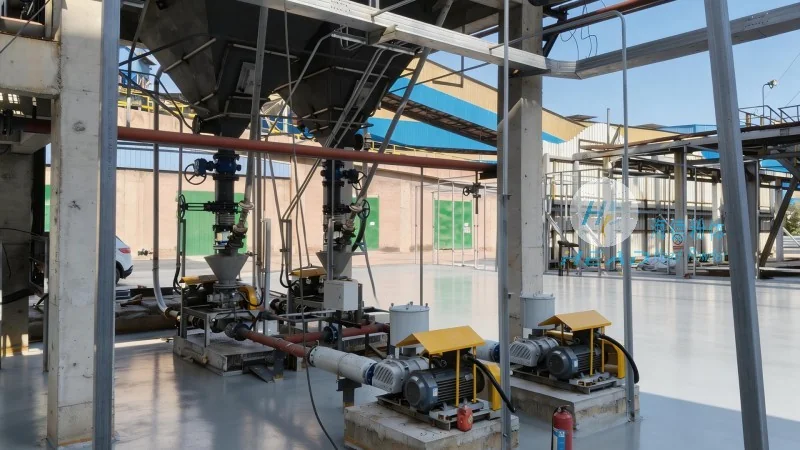
The core principle of carbide slag pneumatic conveying equipment is the use of air pressure to move solid particles through a pipeline. The system typically operates under positive pressure, where compressed air is introduced into the conveying line, creating a flow that propels the slag particles forward. Key components include a hopper for material storage, a rotary airlock valve to control the flow of slag into the pipeline, a conveying pipe, and a receiver for the discharged material. The air velocity within the pipe must be maintained at a level sufficient to prevent particle settling but not excessively high to avoid excessive energy consumption or wear on the system components. The design of the conveying line, including pipe diameter, length, and bends, is critical to ensure efficient and reliable operation. For carbide slag, which is often fine and abrasive, the selection of materials for the conveying components—such as stainless steel or high-grade alloys—is essential to minimize wear and extend the equipment's service life.
Working Scene Characteristics of Carbide Slag Pneumatic Conveying Machines
The effectiveness of carbide slag pneumatic conveying machines is heavily influenced by the specific working environment and application requirements. Several key characteristics define their performance in real-world scenarios:
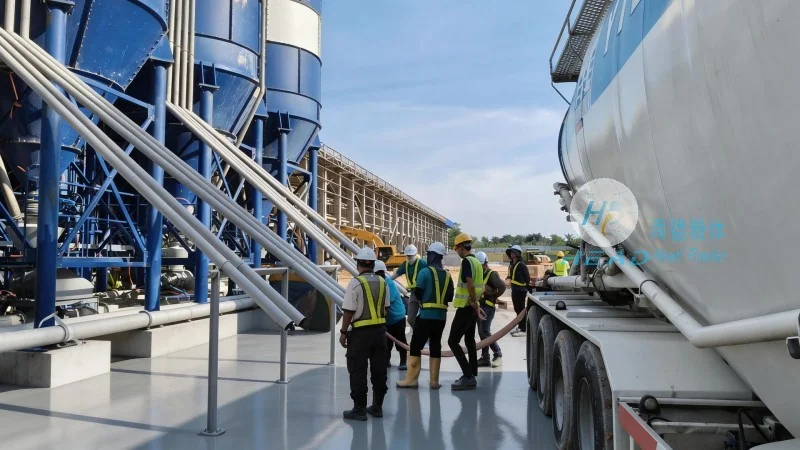
1. **High Efficiency in Material Transport**: In industrial settings where large volumes of carbide slag need to be moved over long distances, pneumatic conveying systems excel. Unlike mechanical conveyors that may require multiple transfer points and additional equipment, a single pneumatic line can transport material from the production site to disposal or processing facilities, reducing operational complexity and downtime. This efficiency is particularly valuable in plants where space is limited or where the material must be transferred to a remote location.
2. **Dust Control and Environmental Compliance**: Carbide slag is a dusty material, and improper handling can lead to air pollution and health hazards. Pneumatic conveying systems are designed with sealed components and proper filtration to minimize dust emissions. The enclosed nature of the system ensures that the material remains contained within the pipeline, preventing dust from escaping into the workplace environment. This feature is crucial for meeting environmental regulations and maintaining a safe working atmosphere.
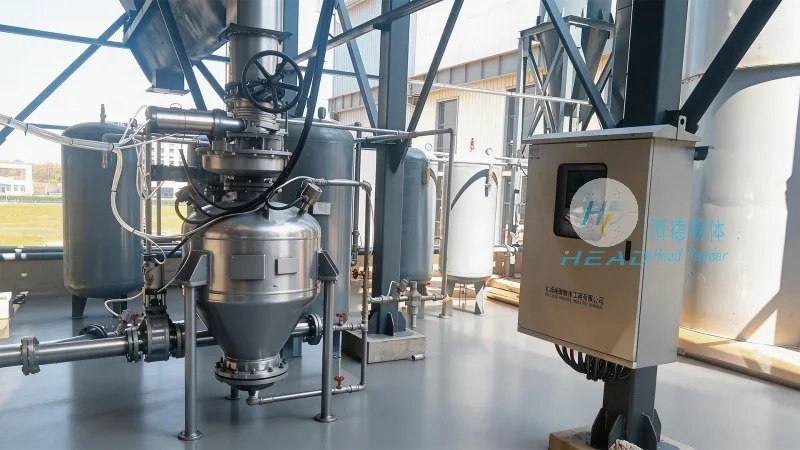
3. **Flexibility in Layout and Integration**: Pneumatic conveying equipment can be easily integrated into existing industrial layouts. The flexible design allows for the installation of conveying lines along the walls or overhead, optimizing space utilization. Additionally, the system can be adapted to handle different particle sizes and moisture levels by adjusting the air pressure and flow rate. This adaptability makes it suitable for a wide range of applications, from small-scale operations to large-scale industrial plants.
4. **Reduced Maintenance and Operational Costs**: Compared to mechanical conveyors, pneumatic systems generally require less maintenance due to the absence of moving parts in the conveying line itself. The primary moving parts, such as the rotary airlock and air compressor, are enclosed and protected, reducing the risk of wear and tear. Over time, this leads to lower maintenance costs and higher operational efficiency. Furthermore, the energy consumption of pneumatic conveying is often lower than that of mechanical systems, especially for long-distance transport, as the air pressure can be optimized to match the conveying requirements.
Application Scenarios and Case Studies
Carbide slag pneumatic conveying machines are widely used in various industrial sectors, including chemical manufacturing, steel production, and waste management. In chemical plants, for example, the equipment is used to transport slag from the production line to a storage or disposal facility, ensuring a continuous and safe material flow. In steel mills, where carbide slag is a byproduct of the production of calcium carbide, the system helps in the efficient removal of the slag, preventing it from accumulating and causing operational disruptions. Waste management facilities also benefit from these systems, as they enable the transfer of carbide slag to landfills or recycling centers in a controlled manner.
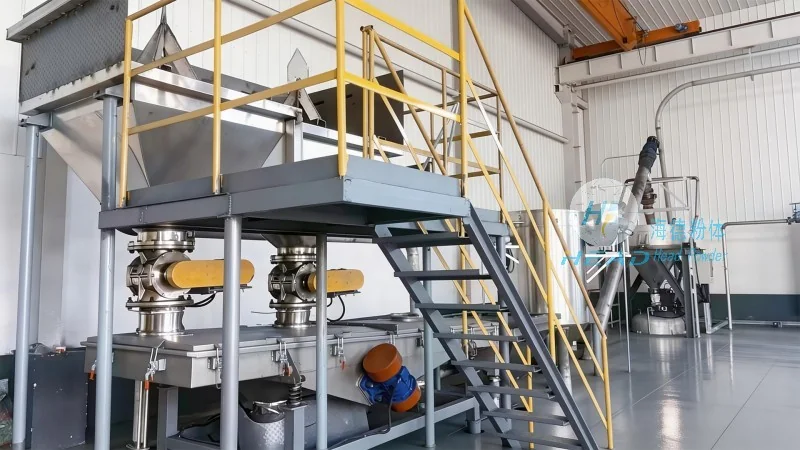
One notable application is in the production of calcium carbide, where the slag generated during the process needs to be disposed of or recycled. The pneumatic conveying system allows for the quick and efficient transfer of the slag from the reactor to a storage tank, minimizing the time the material spends in the reactor and reducing the risk of secondary reactions. In a case study conducted by Shandong HeadPowder Engineering Co., Ltd., a client in the chemical industry reported a 30% reduction in material handling time and a 20% decrease in dust emissions after implementing a carbide slag pneumatic conveying system. The system's reliability and efficiency were key factors in improving the overall productivity of the plant.
Conclusion
Carbide slag pneumatic conveying machines represent a sophisticated solution to the challenges of handling abrasive and dusty materials in industrial applications. By leveraging the principles of pneumatic transport, these systems offer high efficiency, effective dust control, and flexible integration into existing processes. The working scene characteristics, including their ability to handle large volumes over long distances and adapt to varying material conditions, make them a preferred choice for many industries. As the demand for sustainable and efficient material handling solutions continues to grow, the role of carbide slag pneumatic conveying equipment is likely to expand, providing industries with a reliable and environmentally friendly method of managing carbide slag.




