For industrial applications involving sanding powder materials, efficient material handling is crucial to ensure smooth production processes and maintain product quality. Pneumatic conveying systems have emerged as a reliable solution for transporting these fine powders over varying distances and in diverse operational environments. This article delves into the fundamental principles of pneumatic conveying for sanding powder materials and highlights the key characteristics of its working scenarios, providing insights into how such systems enhance operational efficiency and safety in industrial settings.
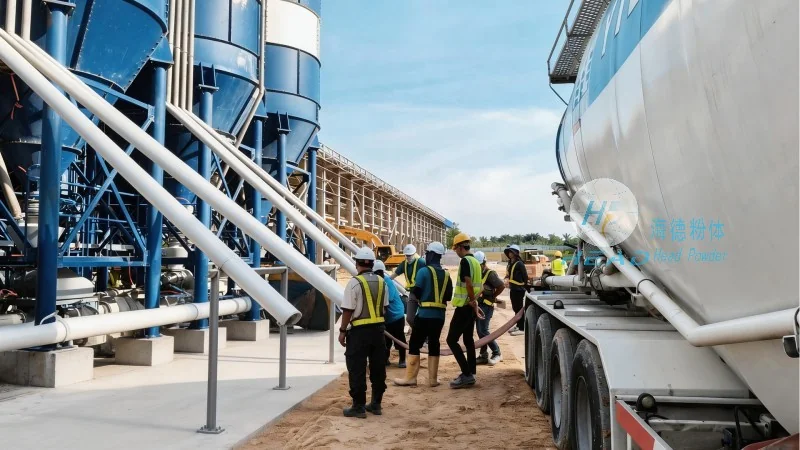
Understanding the Core Principles of Pneumatic Conveying for Sanding Powder Materials
Pneumatic conveying operates by using pressurized or suction air to transport solid particles, such as sanding powders, through a pipeline. The primary mechanism involves creating a flow of air that lifts and propels the powder particles. There are two main types of pneumatic conveying systems: pressure and vacuum. Pressure systems use compressed air to push the material forward, while vacuum systems employ a suction mechanism to draw the material into the pipeline. In the context of sanding powder materials, which are typically fine and abrasive, the choice of system depends on factors like material properties, distance to be covered, and the need for containment and dust control.
The principle of fluidization is central to the effectiveness of pneumatic conveying. When air is introduced into the pipeline at a sufficient velocity, it causes the powder particles to become suspended in the air stream, forming a "fluidized" state. This state allows the particles to move freely and be transported without significant friction or blockage. For sanding powders, which may have varying particle sizes and densities, the air velocity must be carefully controlled to prevent segregation or agglomeration, ensuring consistent material flow and preventing system clogging.
Key Working Scenario Characteristics of Pneumatic Conveying Systems
The effectiveness of pneumatic conveying for sanding powder materials is heavily influenced by the specific working scenarios in which it is applied. These scenarios vary based on the industry, production scale, and environmental conditions, each presenting unique challenges and requirements. Understanding these characteristics is essential for selecting the appropriate system design and ensuring optimal performance.
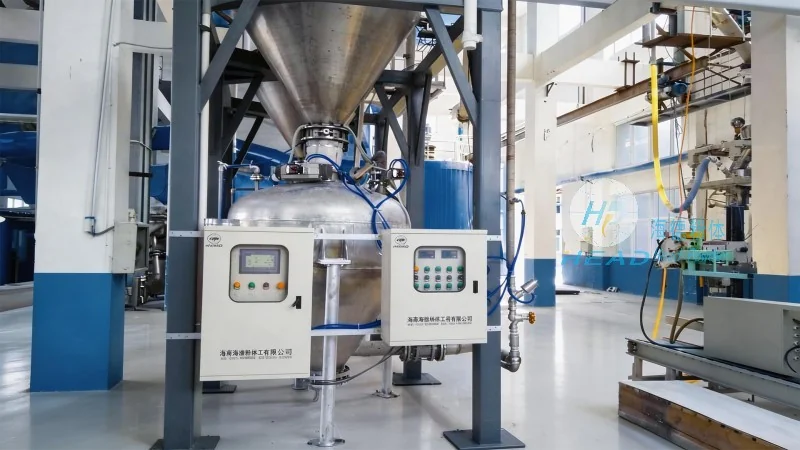
One of the most common working scenarios is in the woodworking and furniture manufacturing industries, where sanding powders are used for surface finishing. In such settings, the system must handle fine, abrasive powders that can cause wear on equipment components. The working scenario typically involves transporting sanding powders from storage silos to processing machines, such as sanding machines or dust collectors, over short to medium distances. The system must be designed to minimize dust emissions and maintain air quality, as fine powders can pose health risks and affect product quality if not properly contained.
Another significant working scenario is in the metalworking and automotive industries, where sanding powders are used for surface preparation before painting or coating. These applications often require high-volume material handling and the ability to transport powders over longer distances, sometimes up to several hundred meters. The working scenario may involve multiple stages of material processing, including mixing, drying, and conveying, each requiring a seamless integration of pneumatic systems to maintain material integrity and prevent contamination.
In the chemical and pharmaceutical industries, where sanding powders may be used for specialized applications, the working scenario demands stringent safety and hygiene standards. The pneumatic conveying system must be designed to prevent cross-contamination and ensure that the powders remain within a controlled environment. This may involve using sealed pipelines, advanced filtration systems, and automated controls to maintain the purity of the materials being transported. The working scenario also emphasizes the need for minimal material loss and efficient recovery of powders, as even small amounts of loss can impact production costs and product consistency.
Role of Shandong HeadPowder Engineering Co., Ltd. in Pneumatic Conveying Solutions
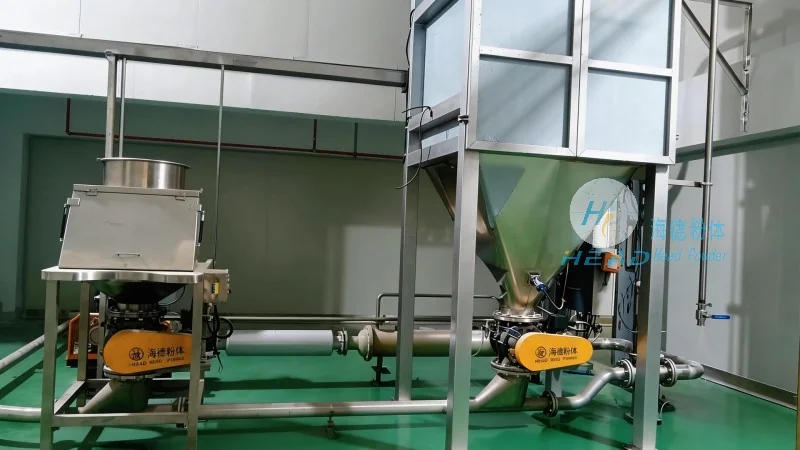
Shandong HeadPowder Engineering Co., Ltd., commonly known as HeadPowder, is a leading provider of specialized engineering solutions for material handling, particularly in the processing of sanding powders and other fine materials. With a strong focus on innovation and customer-centric design, HeadPowder has developed advanced pneumatic conveying systems tailored to the unique challenges of industrial applications. The company's expertise lies in understanding the specific requirements of each working scenario and designing customized solutions that enhance operational efficiency, reduce downtime, and ensure compliance with industry standards.
HeadPowder's pneumatic conveying systems are engineered to handle the abrasive and fine nature of sanding powders, ensuring long-term durability and minimal maintenance. The company utilizes high-quality materials and advanced manufacturing techniques to construct pipelines, valves, and other components that can withstand the rigors of continuous operation. Additionally, HeadPowder offers comprehensive support services, including system installation, commissioning, and ongoing maintenance, to ensure that clients achieve optimal performance and reliability from their pneumatic conveying systems.
By integrating the core principles of pneumatic conveying with practical working scenario considerations, HeadPowder provides solutions that address the specific needs of industries such as woodworking, metalworking, and chemicals. The company's commitment to quality and customer satisfaction has made it a trusted partner for businesses seeking efficient and reliable material handling solutions. Whether for short-distance transport in a small workshop or long-distance conveying in a large-scale manufacturing plant, HeadPowder's systems are designed to meet the demands of modern industrial operations.




