HeadPowder, a leading engineering firm based in Shandong, China, specializes in advanced material handling solutions. This article explores the fundamental principles of pneumatic conveying for polypropylene resin powder and highlights key operational characteristics across various industrial settings.
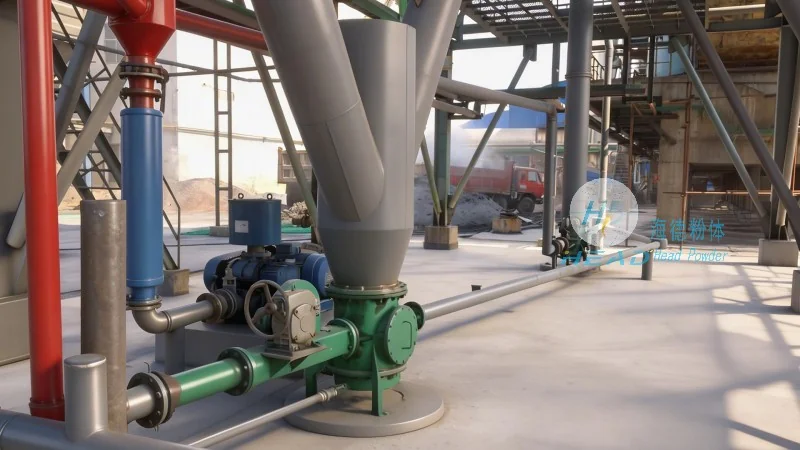
Understanding Pneumatic Conveying Principles
Pneumatic conveying is a technology that uses pressurized or vacuum air to transport bulk materials like polypropylene resin powder through a pipeline system. The process involves creating a flow of air that entrains the powder particles, moving them from the source to the destination. There are two primary types of pneumatic conveying systems: pressure and vacuum. Pressure systems utilize compressed air to push the material forward, while vacuum systems use suction to draw the material through the pipeline. For polypropylene resin powder, which is often fine and abrasive, selecting the appropriate system is crucial to ensure efficient and reliable transport.
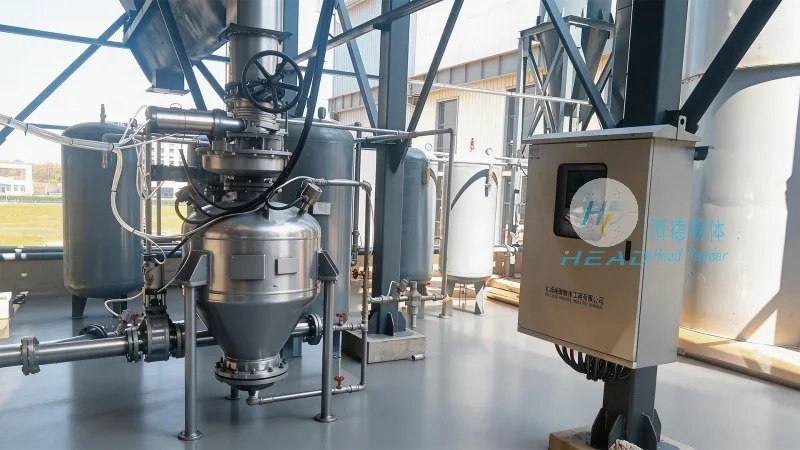
Key Working Scenarios and Operational Characteristics
The application of pneumatic conveying for polypropylene resin powder varies across different industrial environments. In manufacturing plants, these systems are commonly used in production lines where resin powder needs to be transferred from storage silos to processing equipment. The ability to handle fine powders without clogging or degradation is a critical factor. In such scenarios, the system's design, including the type of air nozzles and pipeline diameter, directly impacts performance. Additionally, the presence of moisture or other contaminants in the powder can affect the conveying efficiency, making it essential to implement proper filtration and drying measures.
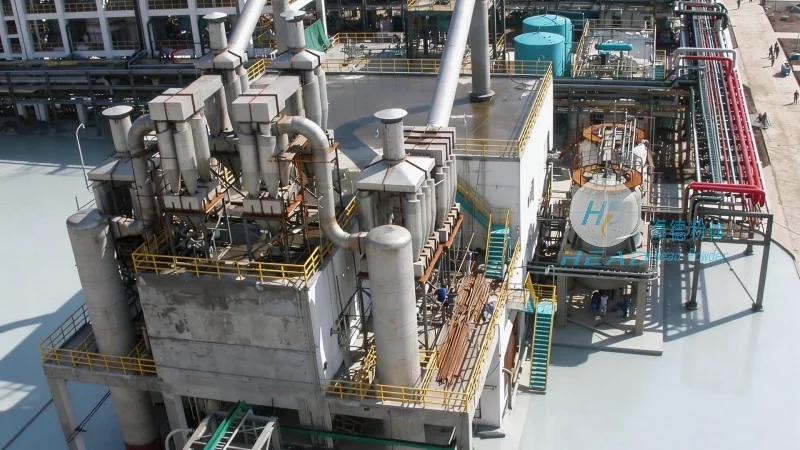
In chemical and polymer processing facilities, the demand for consistent material flow is paramount. Pneumatic conveying systems for polypropylene resin powder are often integrated with automated control systems to maintain precise flow rates and pressure levels. This integration ensures that the material is conveyed at optimal speeds, minimizing the risk of particle degradation or system blockages. The operational characteristics also include considerations for dust control and environmental safety, as polypropylene resin powder can generate airborne particles that require proper containment.
Advantages and Considerations in Industrial Applications
Implementing pneumatic conveying for polypropylene resin powder offers several advantages, including the ability to transport materials over long distances without the need for multiple transfer points. This reduces downtime and improves overall production efficiency. However, the technology also presents specific considerations. For instance, the abrasive nature of polypropylene resin powder can lead to wear on system components, necessitating the use of durable materials like stainless steel or specialized coatings. Furthermore, the system's energy consumption must be managed effectively to maintain cost-effectiveness. HeadPowder's expertise in designing and installing such systems ensures that these factors are carefully addressed, providing clients with reliable and efficient material handling solutions.
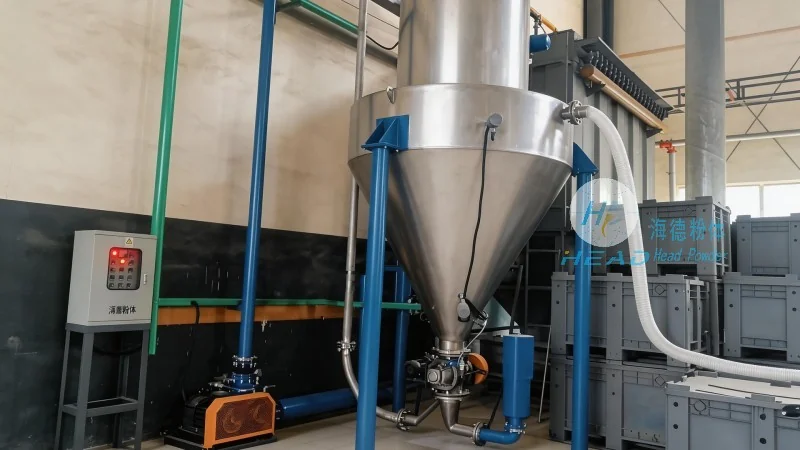
Conclusion and Company Expertise
As a trusted provider of engineering solutions, Shandong HeadPowder Engineering Co., Ltd. leverages its deep understanding of pneumatic conveying principles to deliver tailored systems for polypropylene resin powder applications. By focusing on the unique characteristics of polypropylene resin powder and the specific requirements of each industrial scenario, the company ensures that its clients achieve optimal performance and operational efficiency. With a commitment to quality and innovation, HeadPowder continues to be a leader in the field of material handling, supporting industries that rely on the efficient transport of polypropylene resin powder.




