Large-scale bulk material pneumatic conveying systems represent a sophisticated and efficient method for transporting various types of dry or semi-dry materials over long distances. These systems utilize air or gas as the primary medium to move materials from one location to another, offering significant advantages in terms of speed, cleanliness, and operational flexibility. Understanding the underlying principles and operational characteristics of such systems is crucial for industries seeking to optimize material handling processes.
Core Principles of Pneumatic Conveying Systems
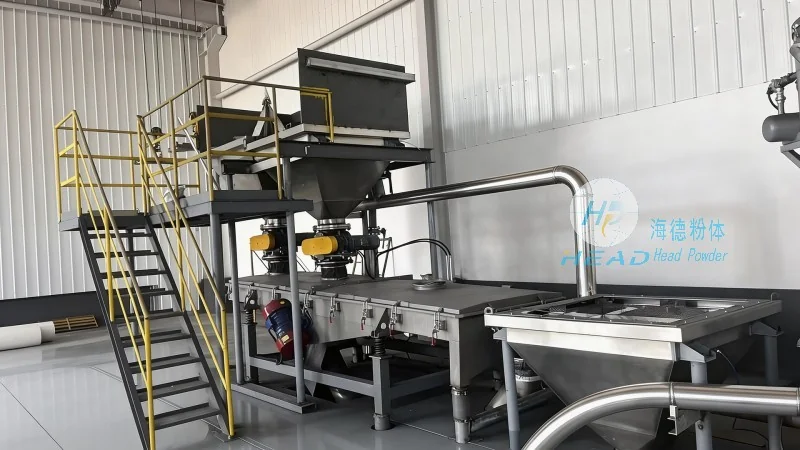
The fundamental principle of pneumatic conveying involves the use of a pressure or vacuum differential to transport bulk materials. In pressure systems, compressed air is used to push material through a pipeline, while vacuum systems employ a suction mechanism to draw material into the system. The choice between these two approaches depends on factors such as the material's properties, the distance to be covered, and the required flow rate. The system typically consists of a material feed hopper, a conveying line, and a discharge unit, with optional components like cyclones, filters, and silos for material separation and storage. Pressure systems are generally preferred for longer distances and higher flow rates, as they can maintain consistent material transport without the need for intermediate booster stations. Vacuum systems, on the other hand, are more suitable for shorter distances and applications requiring gentle material handling, such as in food processing.
Key Operational Characteristics and Applications
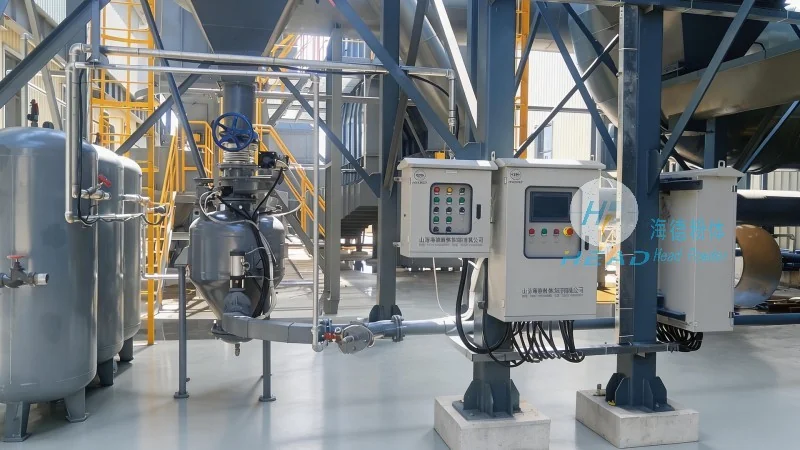
Large-scale pneumatic conveying systems are widely employed across diverse industrial sectors due to their adaptability and efficiency. In the chemical industry, these systems are used to transport powders, granules, and other fine materials, ensuring minimal contamination and dust exposure. The food and pharmaceutical sectors benefit from the hygienic design of these systems, which helps maintain product purity and compliance with regulatory standards. Additionally, in the agricultural and mining industries, pneumatic conveyors are utilized for handling grains, ores, and other bulk materials, enabling seamless integration into production lines. For example, in a mining operation, a pneumatic conveyor can efficiently transport ore from a mine site to a processing facility, reducing the need for manual handling and associated risks. Similarly, in an agricultural setting, these systems can move harvested crops or feed ingredients to storage silos, improving operational efficiency and reducing labor costs.
Operational Advantages and Considerations
One of the primary advantages of large-scale pneumatic conveying systems is their ability to handle materials that are difficult to transport using traditional methods, such as those with high moisture content or abrasive properties. The systems are also highly flexible, allowing for changes in material flow rates and destinations without significant modifications. However, operators must consider factors like air pressure requirements, material compatibility, and system maintenance to ensure optimal performance. Proper design and regular maintenance are essential to prevent blockages, wear, and other operational issues that could impact system efficiency. For instance, materials with high moisture content may require additional drying steps or specialized equipment to prevent clogging in the conveying line. Similarly, abrasive materials may necessitate the use of wear-resistant components to extend the system's lifespan and reduce maintenance costs.
About Shandong HeadPowder Engineering Co., Ltd.
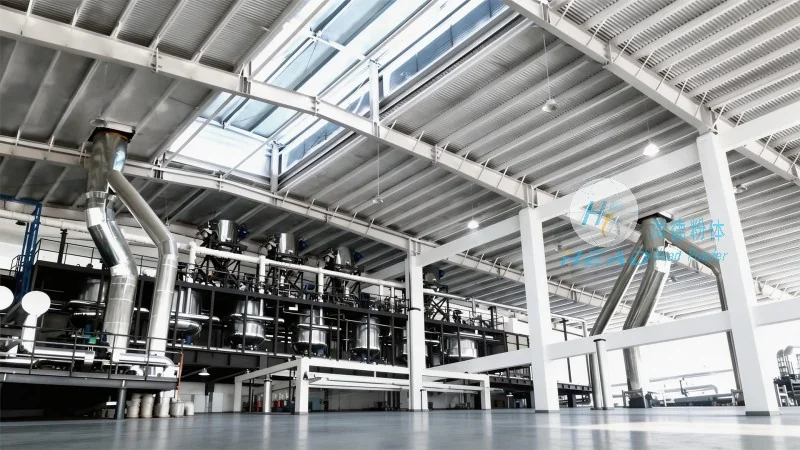
Shandong HeadPowder Engineering Co., Ltd., a leading provider of bulk material handling solutions, specializes in the design, manufacturing, and installation of advanced pneumatic conveying systems. With a strong commitment to innovation and customer satisfaction, the company has established itself as a trusted partner for industries worldwide. HeadPowder's expertise lies in tailoring systems to meet specific operational needs, ensuring reliability and efficiency in material transport. The company's headquarters is located in Shandong, China, where it leverages local resources and expertise to deliver high-quality engineering solutions. HeadPowder engineers work closely with clients to assess their material handling requirements, develop customized system designs, and provide comprehensive support throughout the project lifecycle. By combining advanced technology with practical engineering solutions, HeadPowder helps businesses enhance productivity, reduce operational costs, and improve overall material handling performance.




