HeadPowder, a leading engineering company based in Shandong, China, specializes in the design and implementation of pneumatic conveying systems for various industrial applications. This article explores the fundamental principles of pneumatic conveying for polypropylene granular materials and highlights the key characteristics of its working environments.
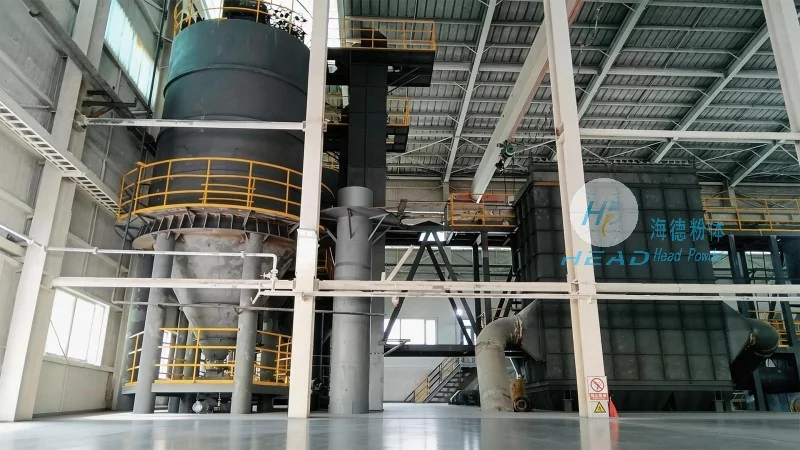
Understanding Pneumatic Conveying Principles
Pneumatic conveying is a method of transporting bulk materials, such as polypropylene granules, through a pipeline using a stream of air or other gas. The process relies on the creation of a pressure differential between the inlet and outlet of the conveying system. By introducing air into the material stream, the granules are lifted and propelled through the pipeline. This technique offers several advantages over traditional mechanical conveying methods, including reduced equipment wear, lower maintenance requirements, and the ability to handle materials in a dust-free environment.
Key Working Scene Characteristics
The working scene characteristics of pneumatic conveying systems for polypropylene granules are influenced by several factors, including material properties, system design, and operational conditions. The granular nature of polypropylene requires specific considerations to ensure efficient and reliable transport. For instance, the size, shape, and density of the granules affect the air velocity and pressure needed for effective conveying. Proper system design, including the selection of appropriate pipeline diameters, bends, and valves, is crucial to minimize pressure losses and prevent material blockages.
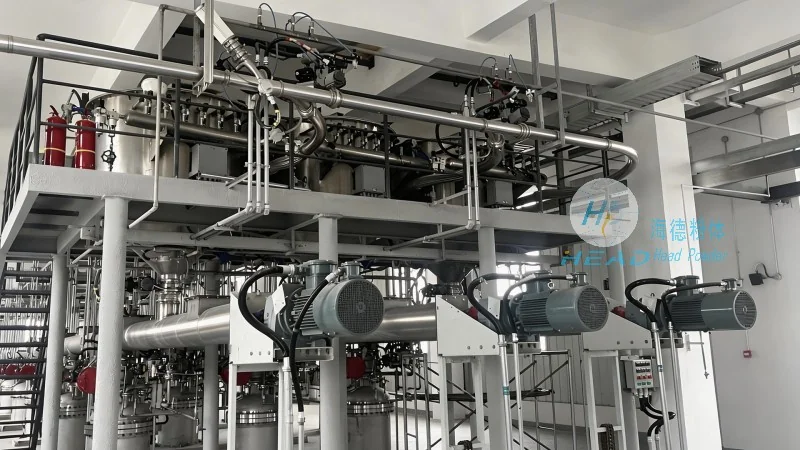
Application Scenarios and Operational Environments
Polypropylene granules are widely used in the plastics manufacturing industry, and pneumatic conveying systems are commonly employed in production lines to transport these materials between processing units. The working environments in such applications typically involve high-volume material handling, often in continuous production settings. The systems must be capable of handling varying flow rates and maintaining consistent material quality. Additionally, the operational environment may include temperature and humidity control to prevent material degradation or moisture absorption, which could affect the performance of the conveying system.
Advantages in Industrial Processing
Implementing pneumatic conveying for polypropylene granules in industrial settings offers several benefits. One of the primary advantages is the ability to transport materials in a closed system, which helps to contain dust and prevent contamination. This is particularly important in food and pharmaceutical industries where material purity is critical. Another advantage is the reduced need for manual handling, as the system automates the material transport process, enhancing safety and efficiency. Furthermore, the flexibility of pneumatic conveying systems allows for easy integration with existing production lines, minimizing downtime during installation and operation.
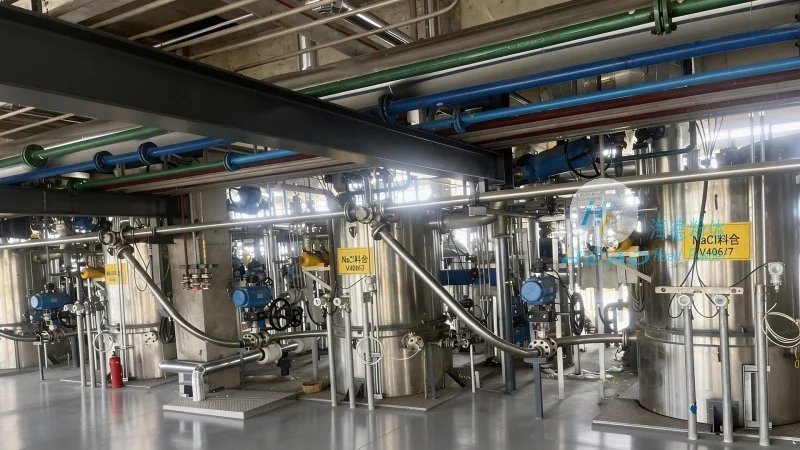
System Components and Operational Considerations
The effectiveness of a pneumatic conveying system for polypropylene granules depends on the proper selection and integration of key components. These components typically include a material feed hopper, an air compressor or blower, a conveying pipeline with appropriate fittings and valves, and a discharge unit. The material feed hopper is designed to control the flow rate of the granules into the system, ensuring a consistent feed. The air compressor provides the necessary pressure to move the material through the pipeline. The pipeline system must be constructed from materials that are compatible with polypropylene and resistant to corrosion or wear. Operational considerations include monitoring pressure and flow rates, maintaining proper air filtration to prevent system blockages, and regular maintenance to ensure optimal performance.
Conclusion
HeadPowder Engineering Co., Ltd., based in Shandong, China, provides comprehensive solutions for pneumatic conveying systems tailored to the specific needs of polypropylene granular material handling. By understanding the principles and working scene characteristics of these systems, industrial facilities can enhance their material transport efficiency, improve operational safety, and maintain product quality. The application of advanced engineering principles and careful system design ensures that pneumatic conveying remains a reliable and efficient method for transporting polypropylene granules in various industrial applications.




