Pneumatic conveying is a widely utilized technology in material handling, where bulk materials are transported through pipelines using air or other gases as the conveying medium. The core principle of this method relies on creating a pressure differential or vacuum within the system to suspend and move material particles along the pipeline. For ferrous oxide materials, such as iron oxide powders, pneumatic conveying offers distinct advantages including high efficiency, low maintenance requirements, and the ability to operate in a closed system, which minimizes dust emissions and product contamination. The fundamental components of a pneumatic conveying system typically include a feeding device, conveying pipeline, separation unit, and collection container. The feeding device introduces material into the pipeline at a controlled rate, while the separation unit (often a cyclone or filter) separates the material from the air stream, allowing the air to be recycled or vented.
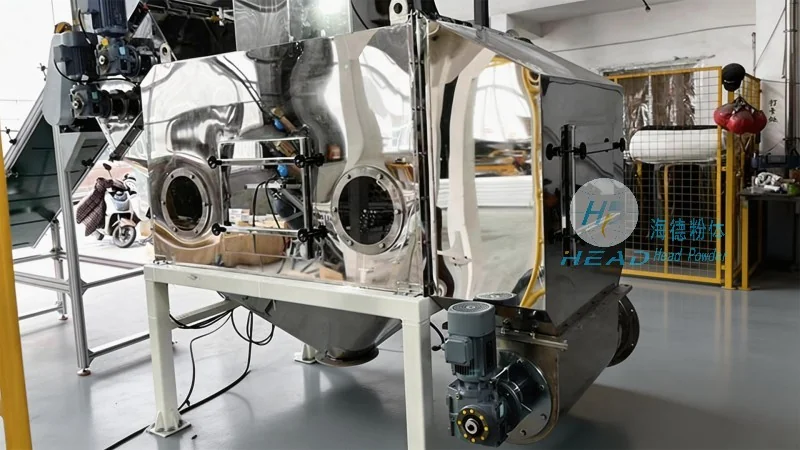
Key Principles Underpinning Pneumatic Conveying for Ferrous Oxide Materials
The principle of pneumatic conveying for ferrous oxide materials centers on the interaction between material particles and the gas flow. In a typical system, material is fed into a pipeline where it is entrained by moving air. The air velocity must be sufficient to overcome gravitational forces acting on particles and maintain them in suspension. This requires careful consideration of the material's density, particle size distribution, and flow characteristics. For ferrous oxide powders, which often have high density and fine particle size, system design must account for these properties to ensure stable and efficient transport. The pressure or vacuum level in the system is another critical factor, as it determines conveying velocity and the distance over which material can be transported. High-pressure systems are generally used for short to medium distances, while vacuum systems are more suitable for longer distances or when material needs to be drawn from a lower elevation source.
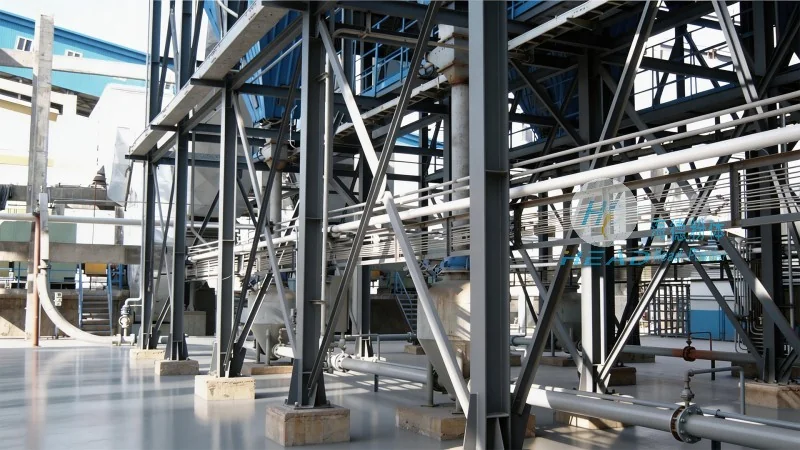
Working Scene Characteristics and Practical Applications
The working scene characteristics of pneumatic conveying for ferrous oxide materials vary by industrial application. In manufacturing facilities producing pigments, coatings, or magnetic materials, efficient and hygienic handling of fine powders is essential. Pneumatic conveying systems are often integrated into production lines to transport ferrous oxide powders from storage silos to processing equipment like mixers, grinders, or reactors. The closed-loop nature of these systems helps maintain product purity and reduces operator exposure to dust. In mining and mineral processing operations, ferrous oxide materials may be transported from ore processing plants to storage or further processing facilities. Here, robust system design capable of handling abrasive and high-density materials is critical. The ability to transport materials over long distances without intermediate storage or manual handling makes pneumatic conveying a preferred solution.
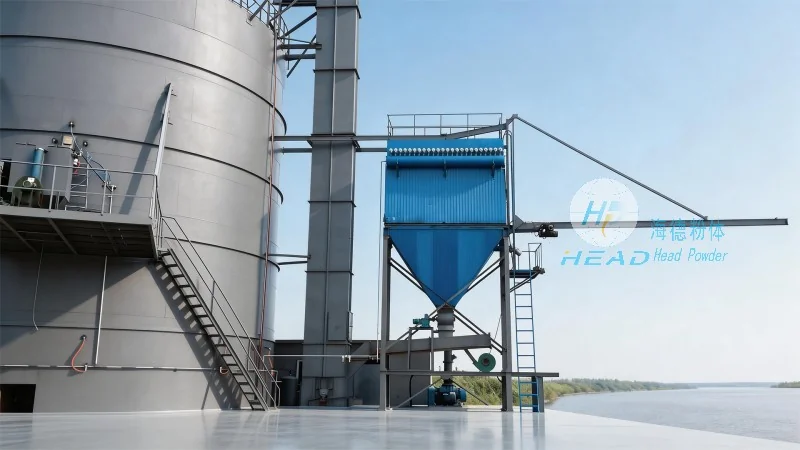
Advantages and Practical Considerations in System Implementation
Implementing pneumatic conveying systems for ferrous oxide materials involves weighing several advantages and considerations. A primary benefit is high conveying capacity, enabling continuous transport of large material quantities in high-volume production environments where downtime is costly. Additionally, the system's ability to handle fine powders without segregation or agglomeration is vital for product quality. However, system design must also address potential material buildup or blockages in pipelines, especially with cohesive or abrasive ferrous oxide powders. Regular maintenance, including cleaning and inspection of conveying components, is essential to prevent operational issues. Energy consumption is another factor to evaluate, as high-pressure systems can be energy-intensive. Optimizing system design—such as using appropriate air velocities and pipeline diameters—can reduce energy costs while maintaining efficient material transport.
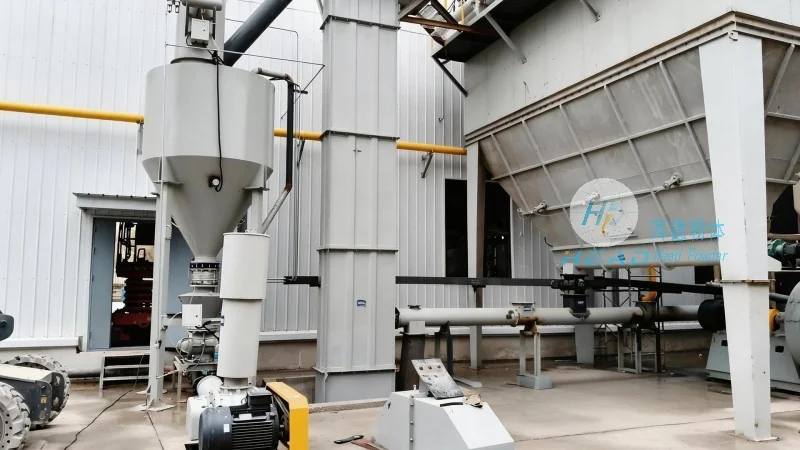
HeadPowder's Expertise in Tailored Pneumatic Conveying Solutions
Shandong HeadPowder Engineering Co., Ltd., a leading provider of material handling solutions, specializes in designing and manufacturing pneumatic conveying systems tailored to ferrous oxide material applications. With a focus on innovation and customer satisfaction, HeadPowder has developed advanced systems addressing challenges of handling fine, high-density powders. The company's expertise lies in understanding material properties of ferrous oxides and translating this into effective system designs. By leveraging years of industry experience, HeadPowder ensures its pneumatic conveying solutions are reliable, efficient, and compliant with industry standards. Whether for short-distance transport within a manufacturing plant or long-distance transfer between facilities, HeadPowder's systems are engineered to meet specific application requirements, providing customers with robust and cost-effective material handling solutions.




