HeadPowder, a leading engineering company based in Shandong, China, specializes in the design, manufacturing, and installation of advanced pneumatic conveying systems tailored for the handling of seasonings and similar bulk materials. This article delves into the operational mechanics and technical principles behind these systems, providing a comprehensive overview for industry professionals and potential clients.
Pneumatic Conveying Systems: An Overview
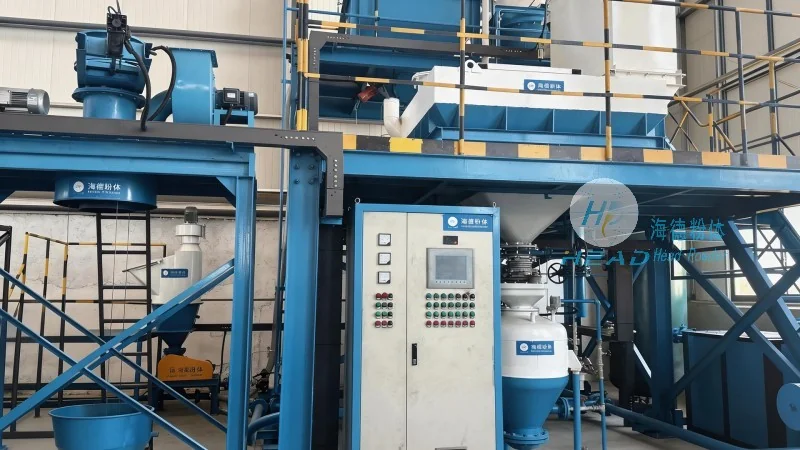
Pneumatic conveying, also known as pneumatic transport, is a method of transporting bulk materials through a pipeline using a stream of pressurized air or vacuum. For seasonings, which often require gentle handling to preserve flavor and texture, this technology offers a hygienic, efficient, and cost-effective solution compared to traditional mechanical conveying methods like belt conveyors or screw conveyors.
The Core Components and Their Roles
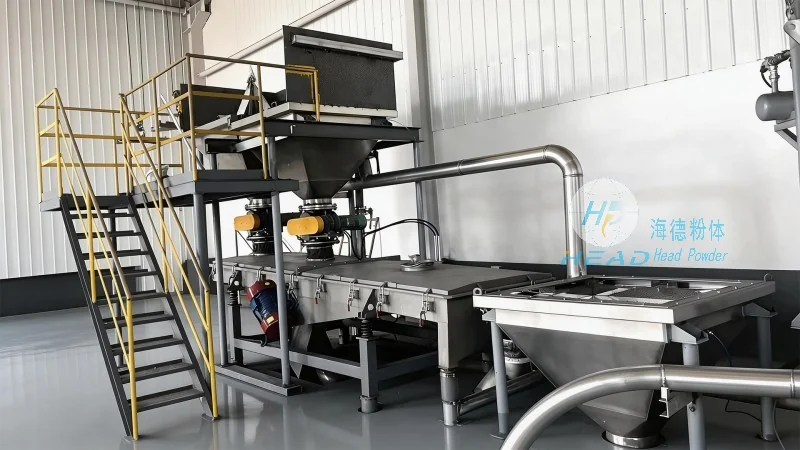
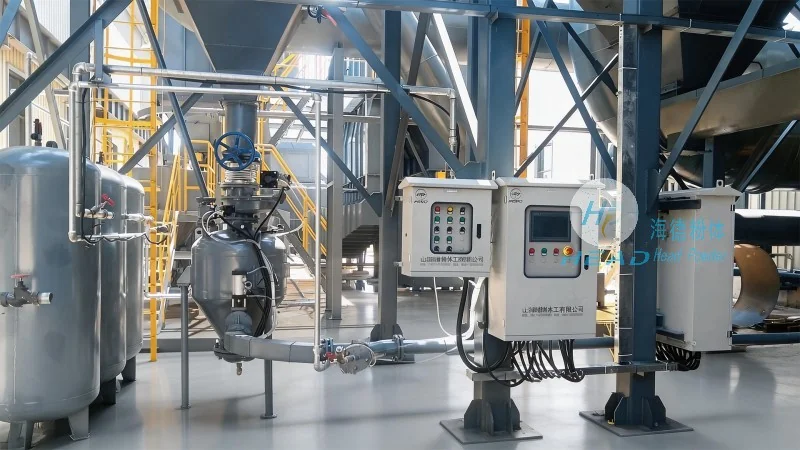
At the heart of a pneumatic conveying system for seasonings are several key components that work in tandem to ensure smooth material flow. These include the hopper (or feeder), the conveying line, the air compressor or vacuum pump, and the control system. The hopper is designed to store and feed the seasoning material into the system, ensuring a consistent flow rate. The conveying line, typically made of stainless steel to maintain hygiene standards, transports the material through the system. The air compressor or vacuum pump provides the necessary pressure or suction to move the material along the line. The control system monitors and regulates the flow, pressure, and other parameters to maintain optimal performance.
The Operation Process: Step-by-Step
The operation of a pneumatic conveying system for seasonings involves a series of precise steps. Initially, the seasoning material is loaded into the hopper. The feeder then meters the material into the conveying line at a controlled rate. Simultaneously, the air compressor generates a high-pressure air stream that travels through the line, carrying the material particles forward. The material is suspended in the air stream as it moves through the pipeline, which prevents product degradation and ensures uniform distribution. The system may include multiple conveying lines or a network of pipes to transport the material to different storage or processing locations. At the destination, the material is discharged into a receiving hopper or storage tank, where the air is separated from the product, often using a cyclone separator or a filter system.
Working Principle: Fluidization and Suspension
The fundamental working principle of pneumatic conveying for seasonings is based on fluidization and suspension of the material particles in the air stream. When the air velocity within the conveying line is sufficient to overcome the gravitational force acting on the particles, the particles become suspended in the air and are carried along the pipeline. This phenomenon is known as pneumatic transport. The key to successful operation is maintaining the correct air velocity and pressure to ensure that the material remains in suspension without causing excessive wear on the system components or degradation of the product. The system design must account for the specific properties of the seasoning material, such as particle size, density, and moisture content, to optimize performance and prevent blockages or other operational issues.
Advantages of Pneumatic Conveying for Seasonings
Compared to traditional conveying methods, pneumatic conveying offers several advantages for handling seasonings. First, it provides a hygienic and dust-free environment, which is critical for maintaining the quality and safety of food products. The stainless steel construction of the system components ensures easy cleaning and compliance with food safety regulations. Second, the system is highly efficient, as it can transport large volumes of material over long distances with minimal energy consumption. Third, it offers flexibility in terms of layout, as the conveying lines can be arranged in various configurations to suit the specific needs of a facility. Fourth, the system is gentle on the material, preserving its flavor, texture, and color, which is essential for maintaining the quality of seasonings. Finally, the system is relatively low-maintenance, with fewer moving parts compared to mechanical conveyors, reducing downtime and operational costs.
Application Examples and Case Studies
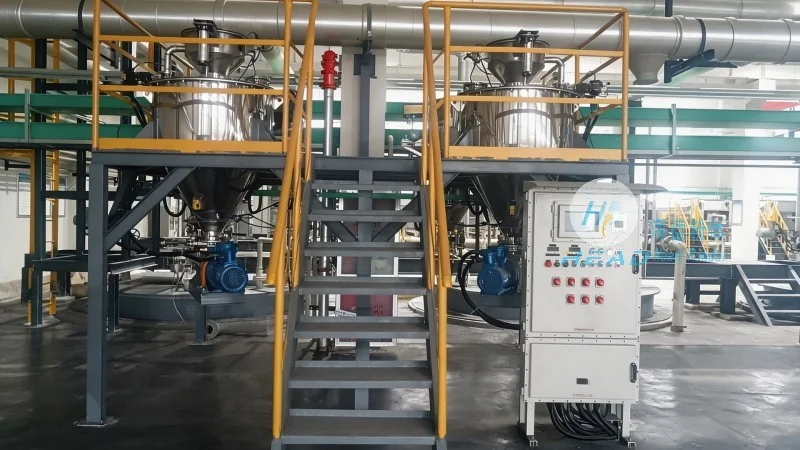
HeadPowder has successfully implemented pneumatic conveying systems for a wide range of seasoning applications. For example, a major spice manufacturer in China used a pneumatic conveying system to transport ground pepper from a storage silo to a packaging line. The system was designed to handle the high volume of product while maintaining the product's quality and preventing contamination. Another client, a seasoning blend producer, implemented a pneumatic conveying system to transport a mixture of herbs and spices from a blending machine to a storage tank. The system was customized to handle the varying particle sizes and moisture content of the blend, ensuring consistent flow and preventing blockages. These case studies demonstrate the versatility and effectiveness of pneumatic conveying systems in the seasoning industry.
Conclusion and Contact Information
HeadPowder Engineering Co., Ltd., based in Shandong, China, is a trusted provider of pneumatic conveying systems for the seasoning industry. With years of experience and a commitment to quality, the company offers customized solutions that meet the specific needs of its clients. Whether you are a spice manufacturer, a seasoning blend producer, or a food processing facility, HeadPowder can help you implement an efficient and reliable pneumatic conveying system that enhances productivity and maintains product quality. For more information or to discuss your specific requirements, please contact us at our office in Shandong, China.




