Calcined sand, a critical material in numerous industrial sectors including refractory production, glass manufacturing, and construction, often requires efficient and reliable transportation methods to maintain smooth production workflows. Pneumatic conveying systems have become a preferred solution for handling calcined sand due to their ability to transport bulk materials over substantial distances while minimizing environmental impact and operational risks. This article explores the operation process and working principle of calcined sand pneumatic conveying, detailing the technical aspects and practical considerations that contribute to its effectiveness.
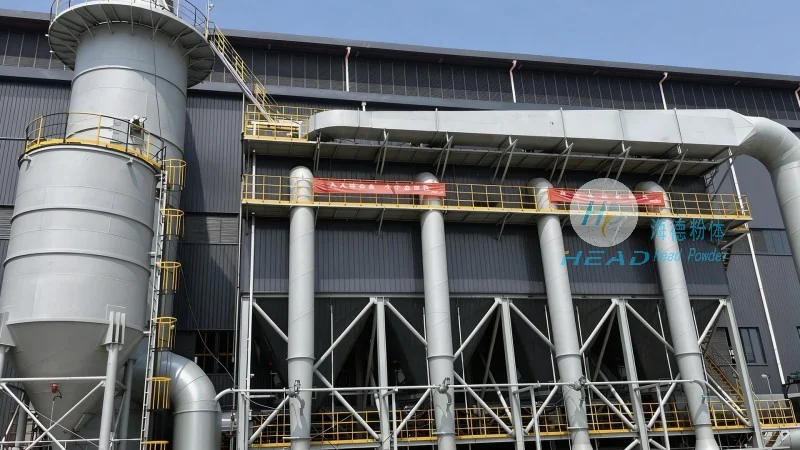
Introduction to Pneumatic Conveying for Calcined Sand
Calcined sand is produced through high-temperature processing of raw sand, resulting in a material with unique physical and chemical properties. Its use in industries where consistent quality and purity are essential makes efficient handling crucial. Traditional methods such as belt conveyors or bucket elevators may struggle with the dusty and abrasive nature of calcined sand, leading to equipment wear, contamination risks, and operational inefficiencies. Pneumatic conveying offers a solution by utilizing air pressure to move the material, reducing the risk of contamination and enhancing process control.
About HeadPowder: A Specialist in Material Handling Solutions
HeadPowder, formally known as Shandong HeadPowder Engineering Co., Ltd., is a leading company based in Shandong, China, dedicated to the design, manufacturing, and installation of advanced material handling systems. With a strong focus on innovation and customer satisfaction, HeadPowder has established itself as a trusted partner for industries seeking efficient and sustainable solutions for bulk material transportation. The company's expertise in pneumatic conveying technology, particularly for calcined sand, stems from years of research and practical experience in the field.
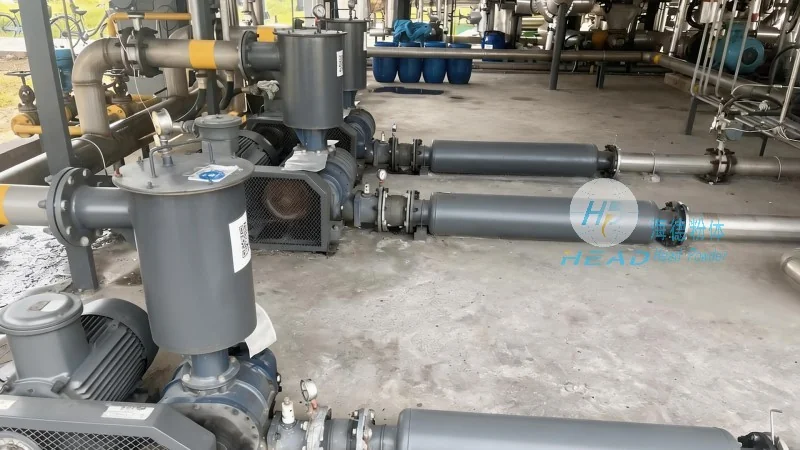
Key Components of a Calcined Sand Pneumatic Conveying System
A typical calcined sand pneumatic conveying system consists of several interconnected components that work together to ensure efficient material transport. These include the material hopper, feeder, air compressor, conveying line, dust collector, and discharge hopper. Each component plays a critical role, and their proper integration is essential for optimal performance.
The Operation Process of Calcined Sand Pneumatic Conveying
The operation process begins with the loading of calcined sand into the material hopper. The hopper is designed to store the material and feed it to the feeder at a controlled rate. The feeder, often a rotary valve or screw feeder, regulates the flow of sand into the conveying line, ensuring a consistent supply. Simultaneously, the air compressor generates high-pressure air, which is introduced into the conveying line. As the air flows through the line, it entrains the calcined sand particles, forming a dense mixture that travels through the pipeline under pressure from the loading point to the discharge point. At the discharge end, the system includes a dust collector to separate the air from the sand particles, delivering the material in a clean and dry state. The separated air is filtered and discharged, while the sand is collected in the discharge hopper for further processing.
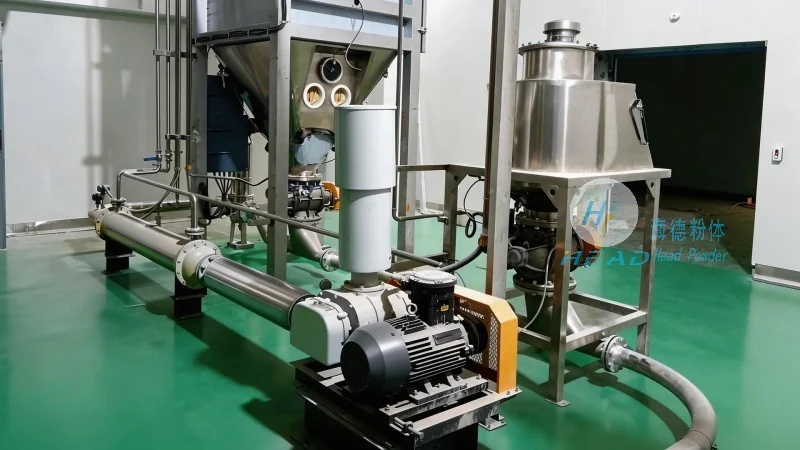
Working Principle of the Pneumatic Conveying System
The working principle is based on fluidization and air pressure. The system creates a pressure differential between the inlet and outlet of the conveying line. The air compressor supplies compressed air to the inlet, generating high-pressure air that forces the air and sand mixture through the pipeline. The velocity of the air is carefully controlled to fully entrain the sand particles without causing excessive wear. The pressure drop along the line is managed by optimizing pipe diameter, length, and bends to minimize energy loss and maintain the required flow rate. The dust collector at the discharge end uses filtration or cyclonic separation to remove fine particles from the air stream, ensuring environmental compliance and material purity.
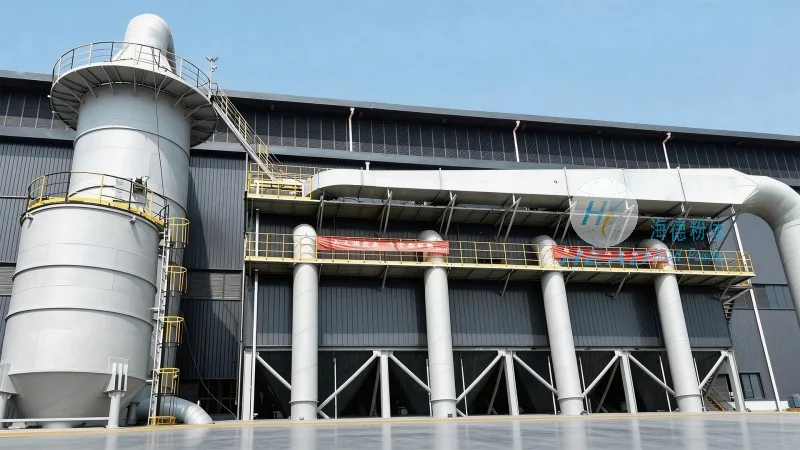
Advantages of Pneumatic Conveying for Calcined Sand
Implementing a pneumatic conveying system for calcined sand offers several advantages. Firstly, it provides a dust-free, enclosed environment, enhancing workplace safety and reducing contamination risks. Secondly, the system is highly efficient, transporting large quantities over long distances with lower energy consumption compared to mechanical conveyors. Thirdly, it is flexible and can be easily integrated into existing production lines, allowing adjustments to flow rates and distances as needed. Additionally, the system reduces equipment wear and maintenance costs by mitigating abrasive effects through air flow and eliminating direct contact with conveyor components.
Conclusion
In summary, the operation process and working principle of calcined sand pneumatic conveying represent a sophisticated and effective method for bulk material handling. By leveraging air pressure and fluidization, these systems deliver significant benefits in efficiency, safety, and environmental compliance. Companies like Shandong HeadPowder Engineering Co., Ltd. play a vital role in providing tailored solutions that meet the specific needs of industries dealing with calcined sand, ensuring that material transportation remains a seamless and integral part of their production processes.




