For industrial applications involving the handling of peanut kernels, efficient and reliable material transport is crucial. Pneumatic conveying systems offer a solution that combines speed, flexibility, and minimal maintenance, making them ideal for processing facilities. This article explores the operation process and working principle of peanut kernels pneumatic conveying, highlighting the key components and the technical aspects that ensure smooth material transfer.
Introduction to Peanut Kernels Pneumatic Conveying
Pneumatic conveying systems are widely used in the food processing industry to transport bulk materials like peanut kernels from one location to another. Unlike traditional mechanical conveyors, which rely on belts or screws, pneumatic systems use air pressure to move materials through a pipeline. This method is particularly advantageous for handling delicate or abrasive materials, as it reduces product damage and wear on equipment. The technology has evolved significantly over the years, with modern systems incorporating advanced controls and materials to enhance performance and longevity.
Company Overview: Shandong HeadPowder Engineering Co., Ltd.
At the forefront of pneumatic conveying solutions is Shandong HeadPowder Engineering Co., Ltd., commonly known as HeadPowder. Based in Shandong, China, the company specializes in the design, manufacturing, and installation of custom pneumatic conveying systems tailored to the specific needs of food processing industries. With a focus on quality and innovation, HeadPowder has established itself as a trusted partner for businesses seeking efficient material handling solutions. The company’s expertise lies in understanding the unique challenges of processing peanut kernels and developing systems that ensure optimal performance and minimal downtime.
The Core Components of a Peanut Kernels Pneumatic Conveying System
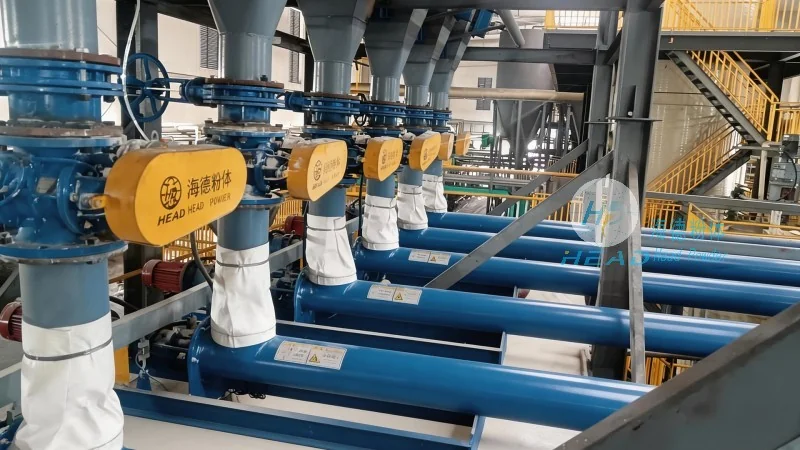
A typical pneumatic conveying system for peanut kernels consists of several key components that work in tandem to achieve efficient material transport. These components include the material feeder, the air supply system, the conveying pipeline, the separation and collection equipment, and the control unit. Each component plays a critical role in the overall operation, and their proper integration is essential for reliable performance.
Material Feeder
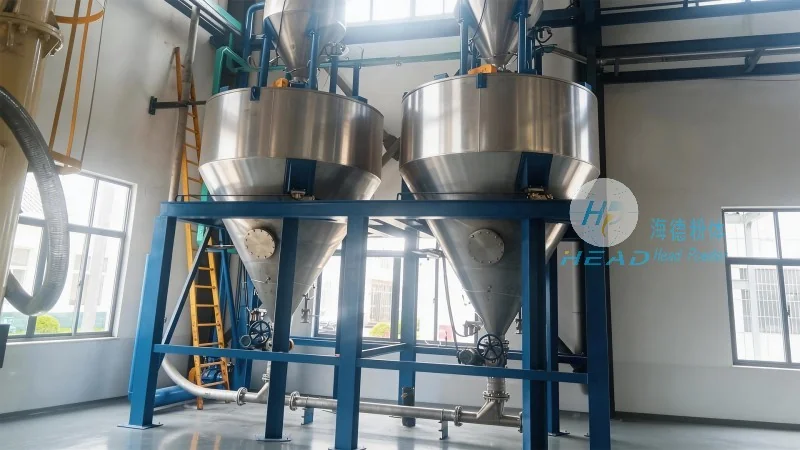
The material feeder is responsible for feeding peanut kernels into the conveying system at a consistent rate. For peanut kernels, a rotary valve or a screw feeder is commonly used. The feeder ensures that the material is introduced into the pipeline without causing blockages or uneven flow. The design of the feeder is crucial, as it must handle the specific characteristics of peanut kernels, such as their size, shape, and moisture content, to prevent material degradation or system inefficiencies.
Air Supply System
The air supply system provides the necessary pressure and volume of air to move the peanut kernels through the pipeline. This system typically includes a blower or a positive displacement compressor, which generates the required airflow. The air is then filtered to remove contaminants, ensuring that the material remains clean and free from dust or debris. The pressure and flow rate are carefully controlled to match the conveying requirements, optimizing energy consumption and system performance.
Conveying Pipeline
The conveying pipeline is the main channel through which peanut kernels are transported. It is usually made of stainless steel or other corrosion-resistant materials to withstand the abrasive nature of the material and the effects of moisture. The pipeline is designed with appropriate bends and transitions to minimize pressure loss and ensure smooth material flow. The diameter and length of the pipeline are determined based on the material characteristics and the required conveying distance, with larger diameters used for longer distances or higher material loads.
Separation and Collection Equipment
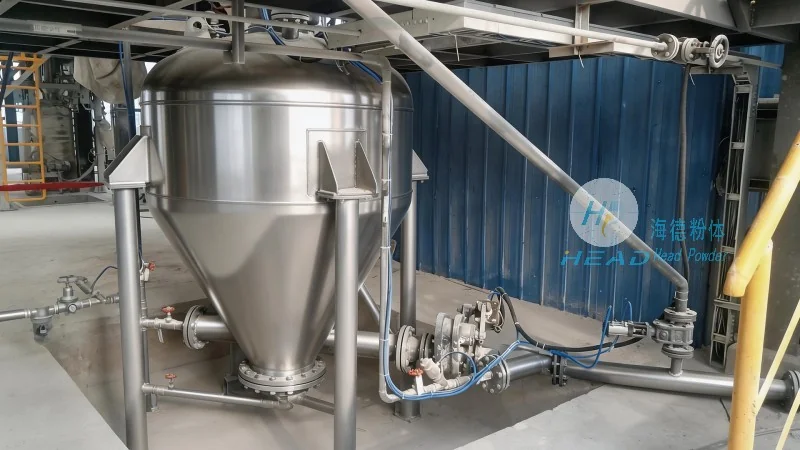
At the end of the conveying line, the peanut kernels are separated from the air and collected in a storage bin or processing unit. This is typically achieved using a cyclone separator or a bag filter. The separator uses centrifugal force to separate the material from the air, while the filter captures any fine particles. The collected peanut kernels are then discharged into the next stage of the processing line, ensuring a clean and efficient transfer.
The Operation Process of Peanut Kernels Pneumatic Conveying
The operation process of a peanut kernels pneumatic conveying system involves several sequential steps that ensure the smooth transfer of material. The process begins with the material feeder introducing peanut kernels into the pipeline at a controlled rate. Simultaneously, the air supply system generates the required airflow, which picks up the material and propels it through the pipeline. As the material travels, it encounters the conveying pipeline, which guides it to the destination. The separation equipment at the end of the line then separates the material from the air, collecting the peanut kernels for further processing. The control unit monitors the entire system, adjusting parameters such as airflow and material feed rate to maintain optimal performance and prevent system overload.
Working Principle of Pneumatic Conveying
The working principle of pneumatic conveying is based on the use of air pressure to move materials through a pipeline. There are two main types of pneumatic conveying systems: dilute phase and dense phase. Dilute phase systems use low air velocity and high air-to-material ratios, suitable for short distances and low material loads. Dense phase systems, on the other hand, use higher air velocity and lower air-to-material ratios, ideal for longer distances and higher material loads. For peanut kernels, a dense phase system is often preferred due to the need to handle larger quantities over longer distances while minimizing product damage.
Advantages of Peanut Kernels Pneumatic Conveying
Pneumatic conveying systems offer several advantages over traditional mechanical conveyors, making them the preferred choice for many food processing applications. These advantages include reduced product damage, as the material is transported without physical contact, lower maintenance costs due to fewer moving parts, and increased flexibility in system layout. Additionally, pneumatic systems can handle a wide range of material characteristics, including different sizes, shapes, and moisture contents, making them versatile for various processing needs. The ability to integrate with other processing equipment also enhances overall system efficiency and productivity.
Applications in the Food Processing Industry
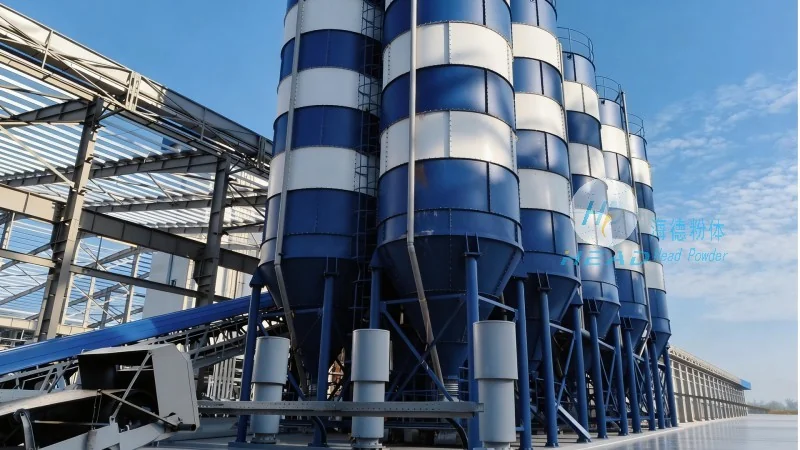
Peanut kernels pneumatic conveying systems are widely used in the food processing industry for various applications, including raw material handling, intermediate processing, and finished product packaging. In raw material handling, the system efficiently transports peanut kernels from storage silos to processing lines, ensuring a continuous supply of material. During intermediate processing, the system can transport materials between different processing stages, such as roasting, shelling, or grading. Finally, in finished product packaging, the system delivers the processed peanut kernels to packaging lines, where they are packaged for distribution. The versatility and reliability of pneumatic conveying make it an essential component in modern food processing facilities.
Conclusion
Pneumatic conveying systems provide an efficient and reliable solution for transporting peanut kernels in the food processing industry. The operation process involves the coordinated action of several components, including the material feeder, air supply system, conveying pipeline, and separation equipment. The working principle relies on air pressure to move the material through the pipeline, with dense phase systems being particularly effective for handling larger quantities over longer distances. Companies like Shandong HeadPowder Engineering Co., Ltd. play a crucial role in designing and implementing these systems, ensuring that food processing facilities can operate efficiently and maintain product quality. As the demand for efficient material handling solutions continues to grow, pneumatic conveying remains a key technology in the industry, offering benefits such as reduced product damage, lower maintenance costs, and increased flexibility.




