Shandong HeadPowder Engineering Co., Ltd., commonly known as headpowder, specializes in the design and manufacturing of advanced pneumatic conveying systems. Our company, based in Shandong, China, has extensive experience in providing customized solutions for various bulk material handling applications, including the efficient transport of oil tea seeds. The oil tea seed pneumatic conveying system is a critical component in the processing industry, enabling the safe and reliable movement of seeds from storage to processing units.
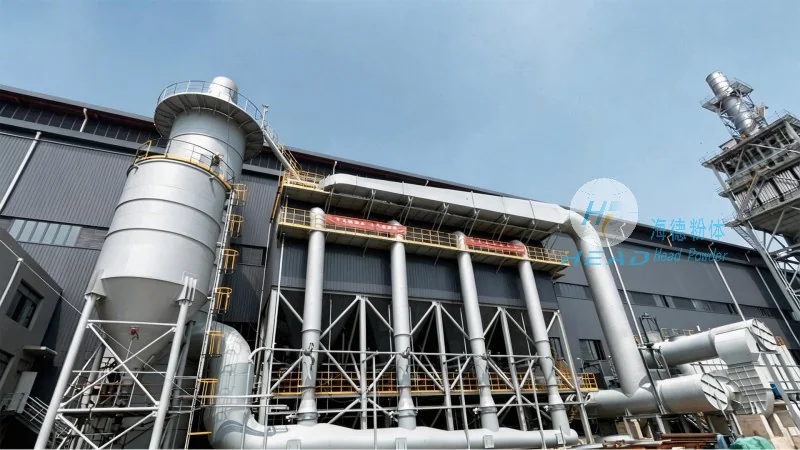
Understanding Pneumatic Conveying Technology
Pneumatic conveying, also known as air conveying, is a method of transporting bulk materials through a pipeline using a flow of air. In the context of oil tea seeds, this technology offers several advantages over traditional mechanical conveying methods. The system typically consists of a hopper, a conveyor line, and a control unit. The oil tea seeds are fed into the hopper, where they are then drawn into the conveyor line by a vacuum or pressure differential created by the air flow. This process allows for the gentle handling of the seeds, minimizing damage and preserving their quality.
Key Components of the Oil Tea Seed Pneumatic Conveying System
The oil tea seed pneumatic conveying system comprises several key components that work in tandem to ensure efficient operation. The primary components include the material hopper, which serves as the storage and feeding unit; the conveying pipeline, which transports the seeds; the air mover (either a vacuum or pressure system); and the control system, which regulates the flow and pressure. Each component is designed to handle the specific characteristics of oil tea seeds, such as their size, density, and moisture content. The hopper is equipped with a feeding mechanism, such as a rotary valve or a screw feeder, to control the discharge rate of the seeds. The pipeline is usually made of stainless steel or other corrosion-resistant materials to prevent contamination and ensure durability. The air mover, whether a vacuum pump or a positive displacement blower, generates the necessary airflow to move the seeds through the system. The control system monitors parameters like pressure, flow rate, and temperature, ensuring optimal performance and preventing system failures.
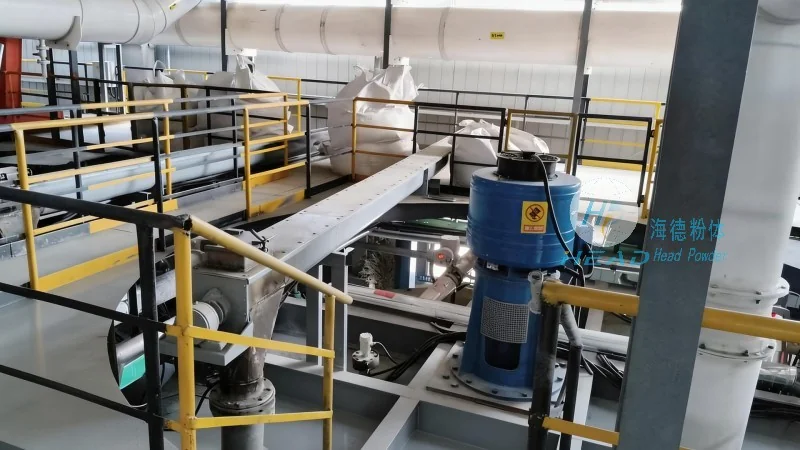
The Operation Process of Oil Tea Seed Pneumatic Conveying
The operation of the oil tea seed pneumatic conveying system follows a systematic process. Initially, the oil tea seeds are loaded into the material hopper. The hopper is designed with a sloped bottom to facilitate the flow of seeds into the feeding mechanism. The feeding mechanism then regulates the discharge rate, ensuring a consistent flow of seeds into the conveying pipeline. Simultaneously, the air mover starts operating, creating a vacuum or pressure within the pipeline. This airflow draws the seeds from the hopper into the pipeline, where they are carried to the destination point, such as a processing unit or a storage silo. The system continuously monitors the flow rate and pressure, adjusting the air mover's speed or the feeding rate as needed to maintain stable operation. The process is automated, with the control system managing all operational parameters to ensure efficiency and reliability. The entire operation is designed to minimize downtime and maximize throughput, making it an ideal solution for high-volume oil tea seed processing facilities.
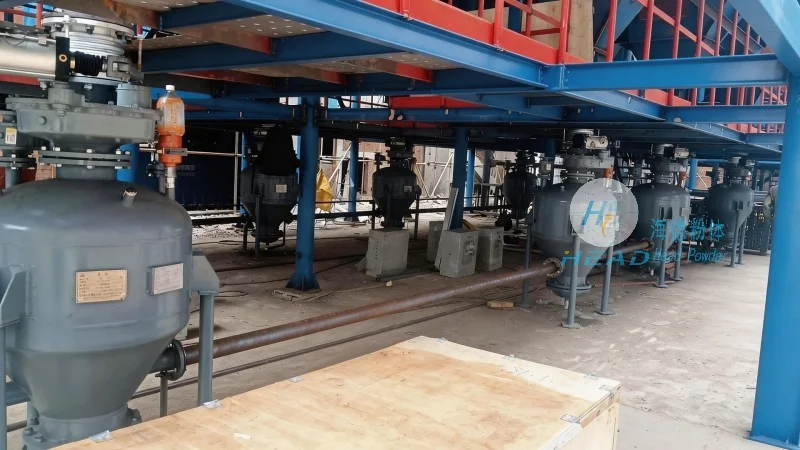
Working Principle of the Oil Tea Seed Pneumatic Conveying System
The working principle of the oil tea seed pneumatic conveying system is based on the principles of fluid dynamics and particle transport. When the air mover operates, it creates a pressure difference between the inlet and outlet of the conveying pipeline. In a vacuum system, the air mover pulls air and seeds from the hopper, creating a negative pressure that draws the seeds into the pipeline. The seeds are then carried by the air flow, suspended in the air stream, and transported to the destination. In a pressure system, the air mover pushes air and seeds from the hopper, creating a positive pressure that forces the seeds through the pipeline. The key to efficient operation is maintaining a consistent airflow rate and pressure, which ensures that the seeds are properly suspended and transported without clogging the pipeline. The system also incorporates features such as cyclones or filters to separate the seeds from the air stream at the destination, allowing for the recovery of the seeds and the recycling of the air. This separation process is crucial for maintaining the quality of the oil tea seeds and preventing contamination from the air.
Advantages of Using Oil Tea Seed Pneumatic Conveying
Implementing an oil tea seed pneumatic conveying system offers several advantages over traditional mechanical conveying methods. First, it provides a more hygienic and clean environment, as the seeds are transported in a closed system, preventing contamination from dust, moisture, or other external factors. Second, the system is more efficient in terms of energy consumption and space utilization. The closed pipeline design reduces the need for large storage areas and minimizes the risk of material loss. Third, the gentle handling of the seeds minimizes damage, preserving their quality and reducing waste. Fourth, the system is highly flexible and can be easily integrated with other processing equipment, allowing for seamless operation in the oil tea seed processing line. Finally, the automated control system ensures consistent performance and reduces the need for manual intervention, improving overall operational efficiency.




