HeadPowder, a leading engineering firm based in Shandong, China, specializes in the design, installation, and maintenance of pneumatic conveying systems for inorganic salts. This article provides a detailed overview of the operation process and working principles of such systems, highlighting the technical aspects and practical applications in industrial settings.
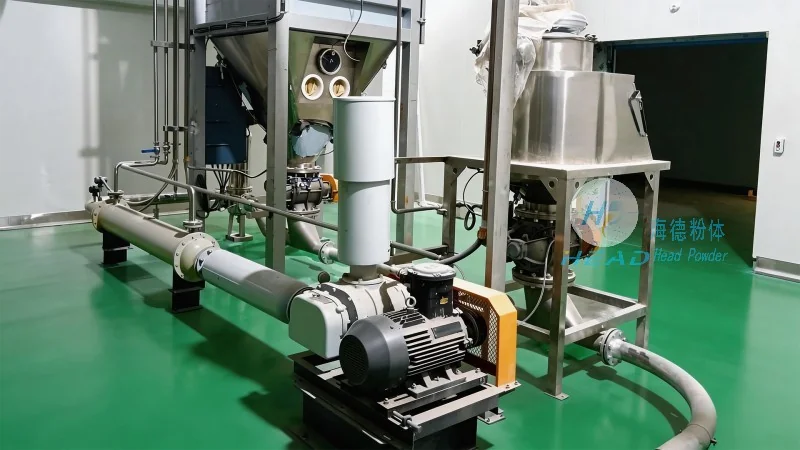
Understanding Pneumatic Conveying Systems for Inorganic Salts
Pneumatic conveying, also known as pneumatic transport, is a method of transporting bulk materials like inorganic salts through a pipeline using air or other gases. This technology offers a dust-free, efficient, and flexible solution for moving materials from one location to another, especially in industries where traditional mechanical conveyors may not be suitable due to material characteristics or space constraints.
Key Components of Inorganic Salt Pneumatic Conveying Systems
The operation of an inorganic salt pneumatic conveying system involves several critical components that work in tandem to ensure smooth material transport. These components include the material feed hopper, the air supply system (typically a blower or compressor), the conveying pipeline, and the discharge unit. Each component plays a vital role in the overall efficiency and reliability of the system.
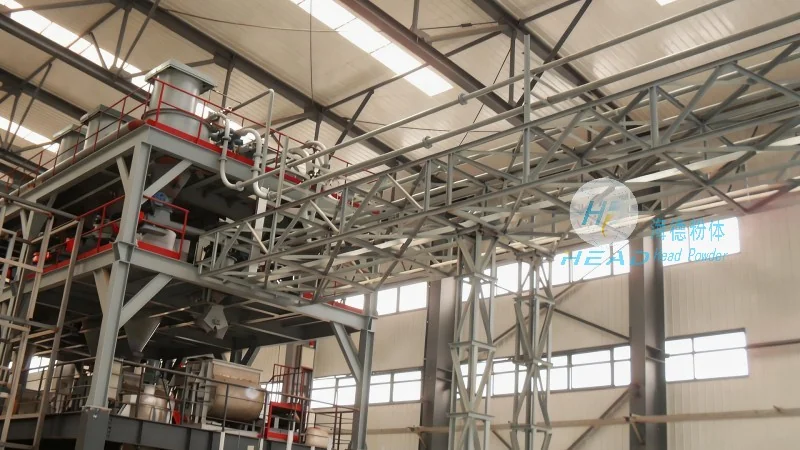
The Operation Process: From Feed to Discharge
The operation process of an inorganic salt pneumatic conveying system can be broken down into several sequential steps. First, the inorganic salt is fed into the material hopper from a storage silo or bulk container. The hopper is designed to regulate the flow of material and prevent blockages. Next, the air supply system generates the necessary pressure and airflow to move the material through the pipeline. As the air flows, it entrains the salt particles, creating a slurry-like mixture that travels along the pipeline.
During the conveying process, the material is propelled by the air current, and the pipeline design (such as the use of bends, expansions, or contractions) is optimized to minimize pressure drop and prevent material deposition. The system may also incorporate features like pulse jets or rotary valves to maintain consistent flow and prevent clogging. Once the material reaches the discharge point, the air is separated from the salt, and the material is deposited into the receiving container or processing unit.
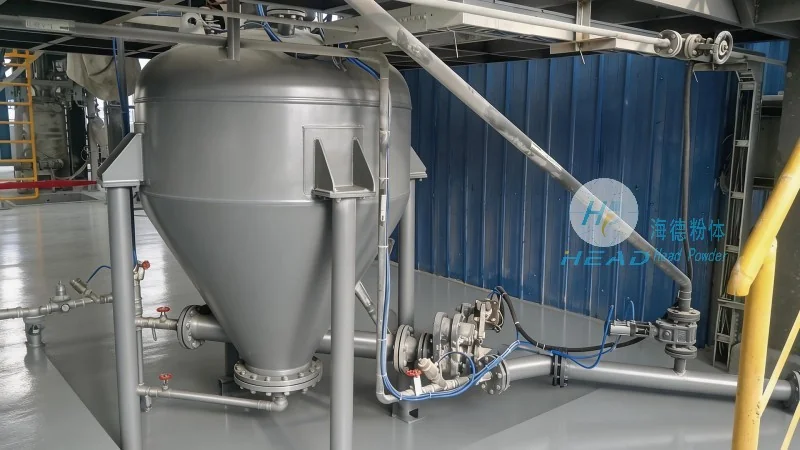
Working Principles: How Air and Material Interact
The working principle of pneumatic conveying for inorganic salts is based on the interaction between the air flow and the material particles. The air supply creates a pressure differential that drives the material through the pipeline. The velocity of the air is crucial; it must be sufficient to lift and transport the salt particles without causing excessive wear on the equipment or causing the material to settle prematurely. The system typically operates in either positive pressure (where the pipeline is pressurized) or negative pressure (where the pipeline is under vacuum) modes, depending on the application and material characteristics.
Advantages of Pneumatic Conveying for Inorganic Salts
Implementing pneumatic conveying systems for inorganic salts offers several advantages over traditional conveying methods. These include reduced dust generation, which improves workplace safety and environmental compliance. The systems are also more flexible, allowing for changes in material flow rates or routing without major modifications. Additionally, pneumatic conveyors can handle a wide range of particle sizes and densities, making them suitable for various inorganic salt applications, such as fertilizers, chemicals, and food additives.
Applications in Industrial Settings
Inorganic salt pneumatic conveying systems are widely used in industries that handle bulk materials. For example, in the chemical industry, these systems are used to transport salts like sodium chloride, potassium chloride, and calcium carbonate. In the food industry, they are employed for conveying salt used in food processing and packaging. The systems are also utilized in the mining and mineral processing sectors for transporting raw materials and finished products.
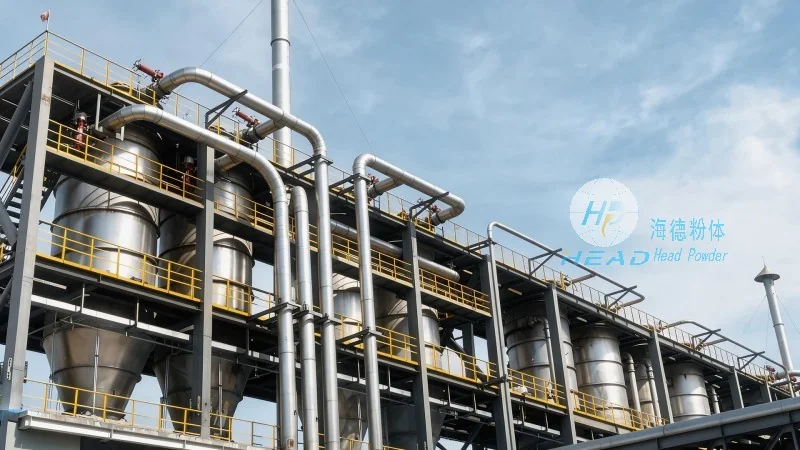
Maintenance and Operational Considerations
To ensure the longevity and efficiency of inorganic salt pneumatic conveying systems, regular maintenance is essential. This includes inspecting the air supply system for proper operation, checking the pipeline for blockages or wear, and cleaning the material hopper and discharge unit to prevent material buildup. Operational considerations also involve monitoring the pressure and airflow to maintain optimal performance and preventing damage to the equipment due to excessive pressure or particle size.
Conclusion
HeadPowder Engineering Co., Ltd., with its headquarters in Shandong, China, provides comprehensive solutions for inorganic salt pneumatic conveying systems. By understanding the operation process and working principles of these systems, industries can enhance their material handling efficiency, improve safety, and reduce operational costs. The company’s expertise in designing and implementing such systems ensures that clients receive reliable and effective solutions tailored to their specific needs.




