Shandong HeadPowder Engineering Co., Ltd., commonly known as HeadPowder, is a professional manufacturer and supplier of pneumatic conveying systems, with its headquarters located in Shandong, China. The company specializes in the design, production, and installation of advanced equipment for material handling, particularly in the agricultural sector. This article provides a detailed overview of the operation process and working principle of soybean pneumatic conveying equipment, highlighting the key components and the step-by-step procedure involved in its operation.
Key Components of Soybean Pneumatic Conveying Systems
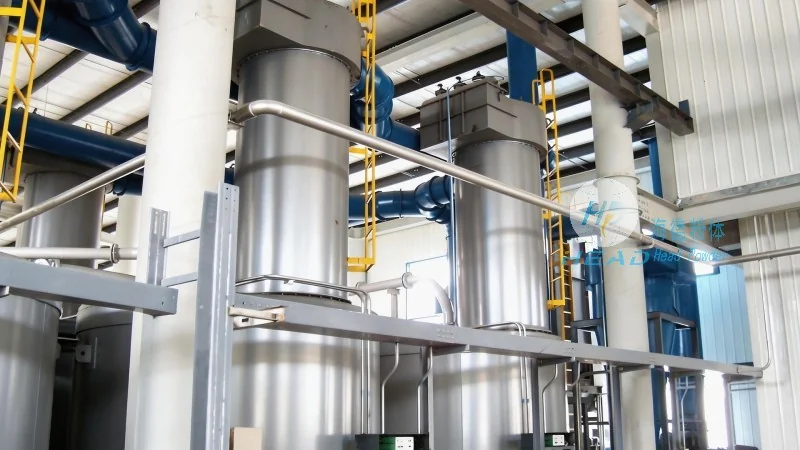
The soybean pneumatic conveying system typically consists of several essential components that work in tandem to ensure efficient material transport. These components include a hopper for material storage, a rotary valve or feeder to control the flow of soybeans, a conveying pipeline, a blower or air compressor to generate the necessary air pressure, and a dust collector or filter to maintain air quality. Each component plays a critical role in the overall functionality of the system, ensuring that soybeans are transported safely and efficiently from the source to the destination.
Working Principle of Pneumatic Conveying
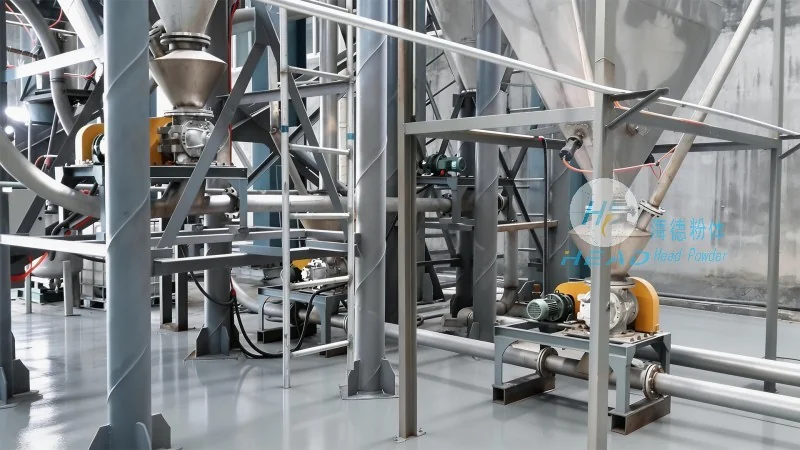
The core principle of pneumatic conveying is the use of air to move bulk materials through a pipeline. In the case of soybean pneumatic conveying, the system operates by creating a pressure differential between the inlet and outlet of the pipeline. The blower or air compressor generates a high-pressure air stream, which is introduced into the conveying pipeline. As the air flows through the pipeline, it picks up soybeans from the hopper and transports them to the desired location. The rotary valve or feeder regulates the flow of soybeans into the pipeline, ensuring a consistent and controlled rate of material transport. The dust collector then removes any airborne particles, maintaining a clean and safe working environment.
Operation Process of Soybean Pneumatic Conveying Equipment
The operation process of soybean pneumatic conveying equipment involves several sequential steps that ensure smooth and efficient material handling. The first step is the preparation of the system, which includes checking the integrity of all components, ensuring that the blower is properly connected and functional, and verifying that the hopper is filled with soybeans. Once the system is ready, the rotary valve is activated to start the flow of soybeans into the conveying pipeline. The blower then begins to operate, generating the required air pressure to move the soybeans through the pipeline. As the soybeans are conveyed, the system continuously monitors the flow rate and pressure to ensure optimal performance. The process continues until the hopper is empty or the desired amount of soybeans has been transported. At the end of the operation, the system is shut down, and the conveying pipeline is cleared of any remaining material.
Advantages of Using Soybean Pneumatic Conveying Equipment
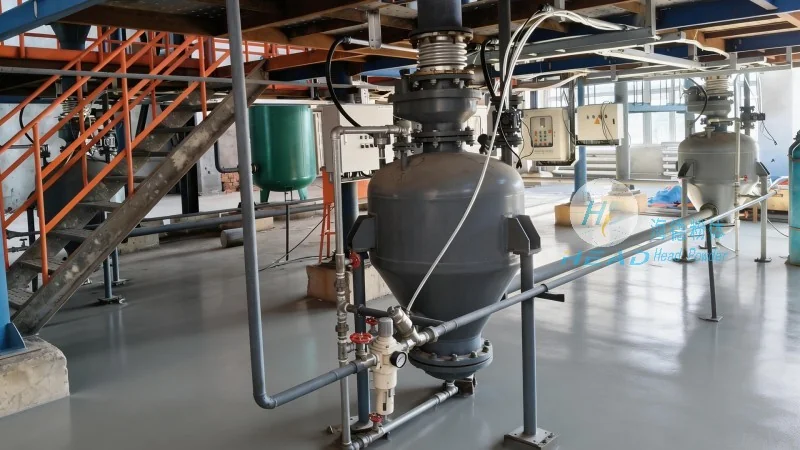
There are several advantages to using soybean pneumatic conveying equipment in agricultural and industrial applications. One of the primary benefits is the ability to transport soybeans over long distances without the need for intermediate storage or handling. The system is also highly efficient, as it can move large quantities of material quickly and with minimal labor. Additionally, pneumatic conveying is a clean and hygienic method of material transport, which is particularly important for food products like soybeans. The system also reduces the risk of contamination and damage to the product, as it minimizes direct contact with human hands or other equipment. Furthermore, the equipment is relatively easy to install and maintain, making it a cost-effective solution for businesses looking to improve their material handling processes.




