

Analysis of Nitrile Rubber Pneumatic Conveying Technology: Comparison of Positive and Negative Press
Nitrile rubber, also known as NBR, is a synthetic polymer widely used in industrial applications due to its excellent resistance to oil, fuel, and chemicals. Pneumatic conveying systems are essential for handling nitrile rubber powders and granules, enabling efficient material transport without direct contact with mechanical components. This technology is crucial for maintaining product purity and minimizing contamination risks in manufacturing processes. The choice between positive and negative pressure modes significantly impacts system performance, energy consumption, and operational safety.
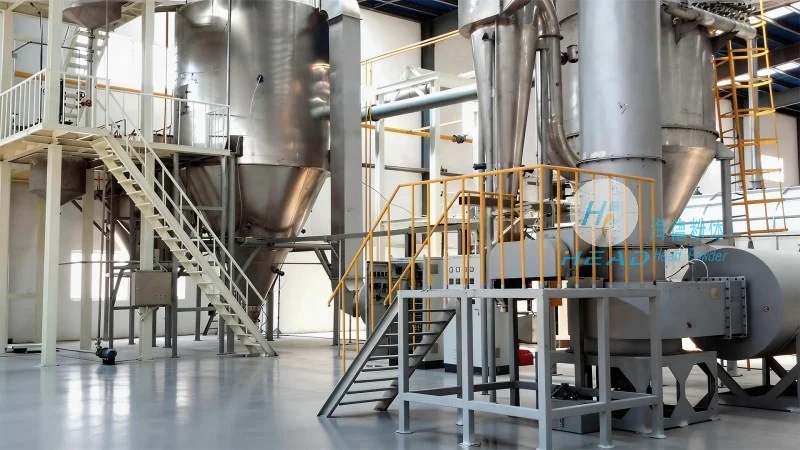
Positive Pressure Conveying Mode: Advantages and Applications
Positive pressure systems operate by blowing air or a carrier gas into the conveying line, creating a pressure higher than the ambient environment. This method is particularly effective for transporting nitrile rubber in bulk, especially when dealing with fine powders that are prone to clogging or segregation. Key advantages include high conveying capacity, ability to handle long distances and multiple transfer points, and reduced risk of product degradation due to low friction and minimal exposure to air. Industries such as automotive, aerospace, and chemical manufacturing often utilize positive pressure systems for their reliability and efficiency in handling nitrile rubber materials.
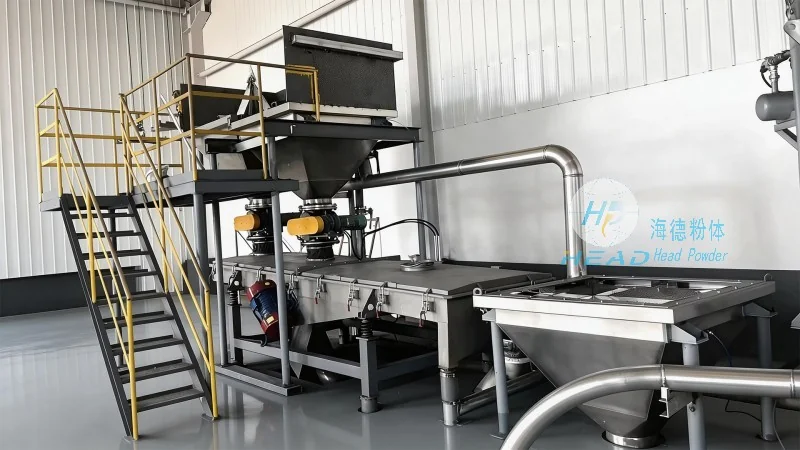
Negative Pressure Conveying Mode: Characteristics and Use Cases
Negative pressure systems, conversely, draw material into the system by creating a vacuum or lower pressure compared to the surroundings. This approach is suitable for applications where product contamination must be strictly controlled, as the system isolates the material from external air. Negative pressure conveying is commonly used for handling sensitive nitrile rubber powders that are susceptible to moisture or oxidation. The primary benefits include enhanced product cleanliness, lower energy consumption for short distances, and reduced noise levels. However, these systems may face challenges with long-distance transport and require careful maintenance to prevent dust emissions and ensure consistent performance.
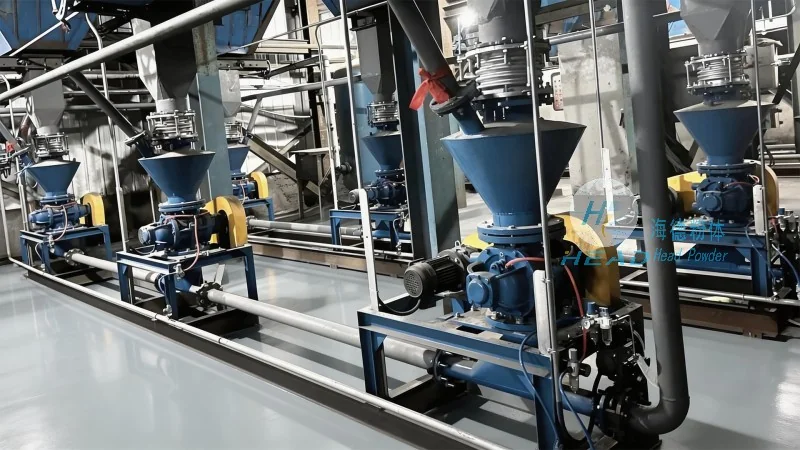
Comparison of Positive vs. Negative Pressure Systems
When selecting a pneumatic conveying system for nitrile rubber, understanding the differences between positive and negative pressure modes is critical. Positive pressure systems generally offer higher throughput and are more versatile for complex layouts, making them ideal for large-scale production environments. Negative pressure systems, while more energy-efficient for short runs, excel in maintaining product purity and are preferred in applications where contamination control is paramount. Factors such as material properties, system length, and operational requirements must be carefully evaluated to determine the most suitable mode. For instance, in a manufacturing plant producing nitrile rubber seals, a positive pressure system might be chosen for its ability to handle large volumes of granules, whereas a negative pressure system could be employed for fine powders used in precision molding.
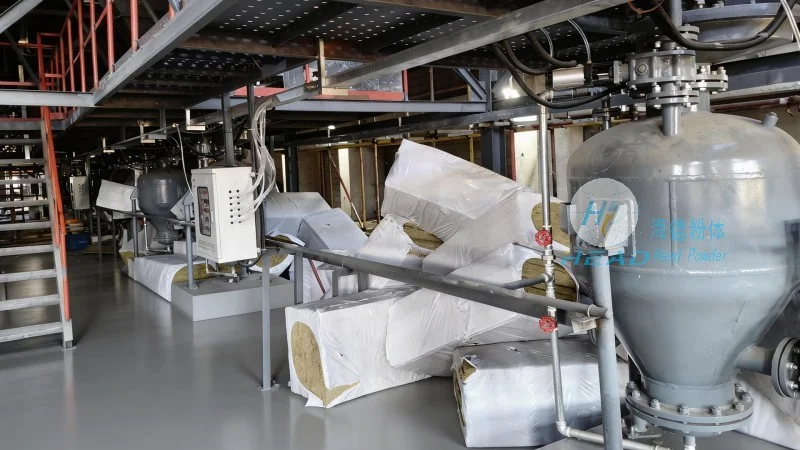
Company Profile: Shandong HeadPowder Engineering Co., Ltd.
Shandong HeadPowder Engineering Co., Ltd., commonly known as HeadPowder, is a leading provider of specialized pneumatic conveying solutions tailored to the needs of the rubber and plastic industries. With a focus on innovation and customer-centric design, the company offers customized systems for handling nitrile rubber and other challenging materials. HeadPowder’s expertise lies in developing efficient, reliable, and cost-effective solutions that address the unique challenges of material transport in industrial settings. The company’s commitment to quality and technical excellence has established it as a trusted partner for businesses seeking to optimize their nitrile rubber handling processes. Based in Shandong, China, HeadPowder leverages local manufacturing capabilities and global market insights to deliver cutting-edge pneumatic conveying technologies that meet the highest industry standards.