Glass fiber materials are widely used in various industrial applications due to their excellent mechanical properties, thermal stability, and chemical resistance. The efficient and safe handling of these materials is crucial for maintaining production efficiency and ensuring worker safety. Pneumatic conveying systems offer a reliable solution for transporting glass fiber powders and fibers from one location to another within industrial facilities. This article explores the working principle and key features of glass fiber material pneumatic conveying equipment, highlighting the technology's benefits and practical applications.
The Working Principle of Glass Fiber Pneumatic Conveying Systems
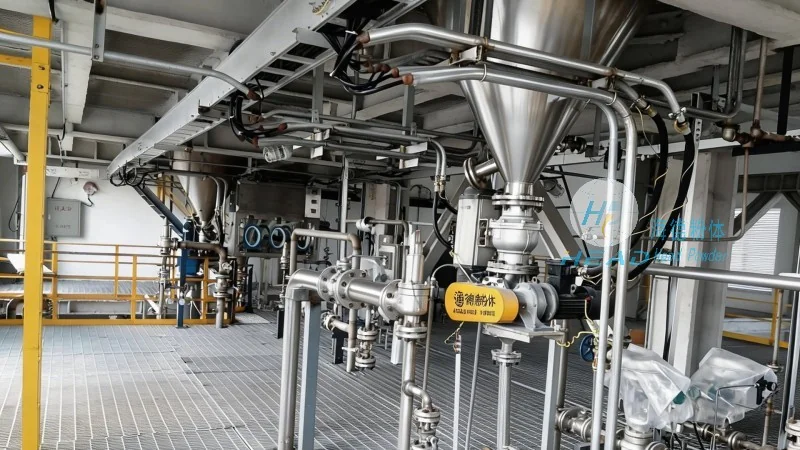
At the core of glass fiber material pneumatic conveying is the use of compressed air or gas to transport the material through a pipeline. The system typically consists of a hopper for material storage, a feeder to control the flow rate, a conveying line, and a receiver for the discharged material. The working principle involves several key steps:
First, the glass fiber material is fed into the hopper from the source container. The feeder then regulates the material flow into the conveying line, ensuring a consistent and controlled rate. Compressed air is introduced at the inlet of the conveying line, creating a high-velocity air stream that entrains the glass fiber particles. As the air and material mixture travels through the pipeline, the material is carried along by the air flow. The conveying line may include components such as bends, expansions, or restrictions to optimize the flow and prevent material deposition or blockages. Finally, the material is discharged into the receiver at the destination point, while the air is typically filtered and recycled back into the system to minimize waste and energy consumption.
Key Features and Advantages of Glass Fiber Pneumatic Conveying Equipment
Glass fiber material pneumatic conveying equipment offers several advantages that make it an ideal choice for industrial applications. Some of the key features include:
1. Non-Contact Material Handling: Unlike mechanical conveyors, pneumatic systems do not use physical contact with the material, which reduces wear and tear on the equipment and prevents contamination of the glass fiber. This is particularly important for high-purity applications where any impurities could affect the final product quality.
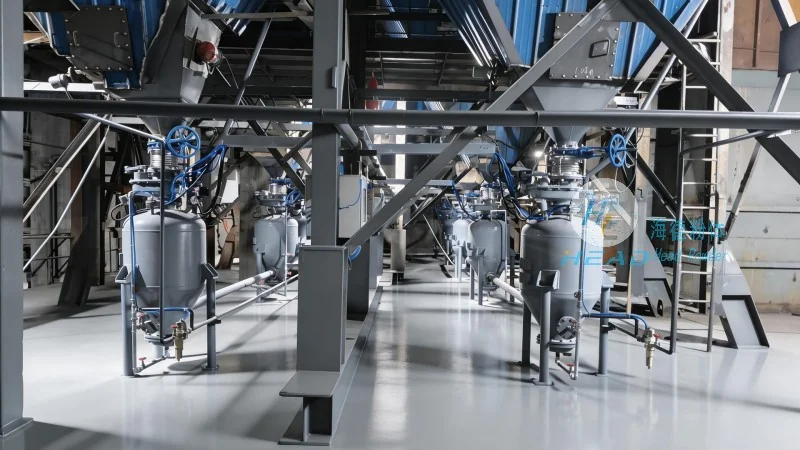
2. Flexibility and Versatility: Pneumatic conveying systems can be easily adapted to different production layouts and can transport materials over long distances or through complex routes. The system can handle various glass fiber types, including short fibers, long fibers, and chopped strands, with minimal modifications.
3. Energy Efficiency: Modern pneumatic conveying systems are designed to be energy-efficient, with features such as air recycling and optimized flow control. This reduces operational costs and minimizes the environmental impact of the equipment.
4. Low Maintenance Requirements: Compared to mechanical conveyors, pneumatic systems have fewer moving parts, which reduces the need for frequent maintenance and lowers downtime. The use of durable materials and components further enhances the system's longevity.
5. Safety and Environmental Benefits: Pneumatic conveying systems are enclosed, which helps to contain dust and prevent exposure to airborne particles. This improves workplace safety and reduces the risk of environmental contamination. Additionally, the system can be equipped with filtration and dust collection systems to meet environmental regulations.
Applications of Glass Fiber Pneumatic Conveying Equipment
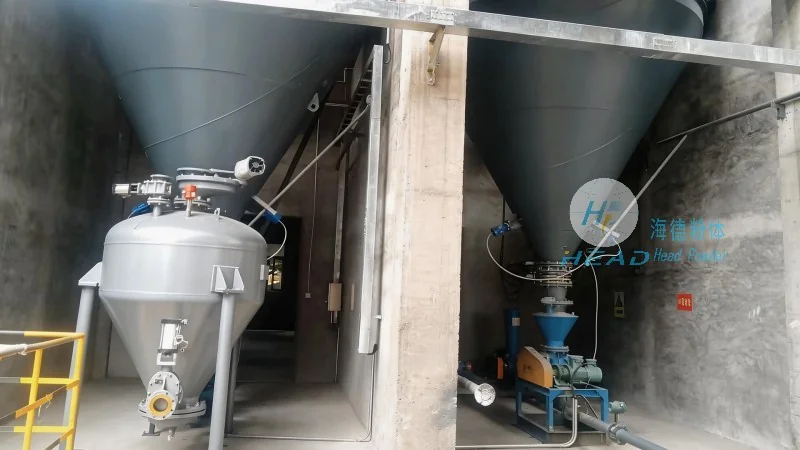
Glass fiber material pneumatic conveying equipment is widely used in various industries, including automotive, aerospace, construction, and electronics. Some common applications include:
1. Automotive Industry: Glass fiber is used in the production of automotive parts such as body panels, interior components, and engine components. Pneumatic conveying systems are used to transport glass fiber powders and fibers to the manufacturing lines, ensuring a consistent supply of raw materials.
2. Aerospace Industry: High-performance glass fiber composites are used in the manufacturing of aircraft components, such as wings, fuselages, and interior parts. Pneumatic conveying systems help to transport these materials efficiently and safely, meeting the stringent quality and safety requirements of the aerospace industry.
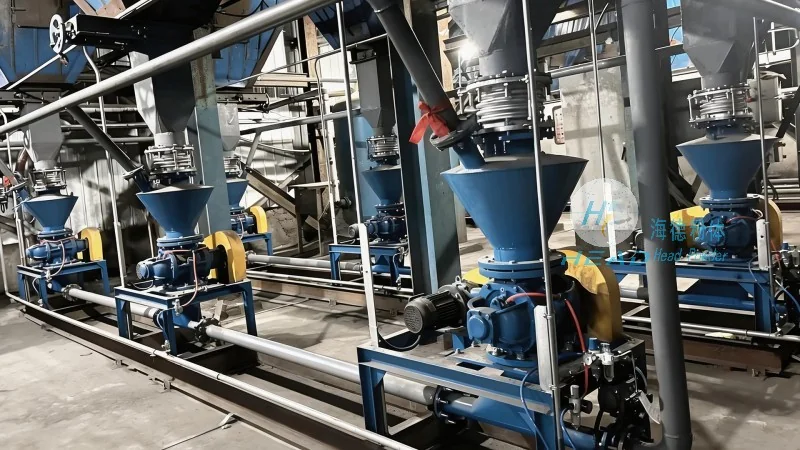
3. Construction Industry: Glass fiber is used in the production of building materials such as fiber-reinforced concrete, roofing materials, and insulation products. Pneumatic conveying systems are used to transport glass fiber powders to the production facilities, improving the efficiency of the manufacturing process.
4. Electronics Industry: Glass fiber is used in the production of electronic components such as circuit boards and fiber optic cables. Pneumatic conveying systems help to transport glass fiber powders and fibers to the production lines, ensuring a consistent and high-quality supply of raw materials.
Conclusion and Company Information
Glass fiber material pneumatic conveying equipment is a reliable and efficient solution for handling glass fiber materials in industrial applications. The technology offers several advantages, including non-contact material handling, flexibility, energy efficiency, and safety benefits. By understanding the working principle and key features of these systems, manufacturers can optimize their production processes and improve overall operational performance.
Shandong HeadPowder Engineering Co., Ltd., a leading manufacturer of pneumatic conveying equipment, specializes in providing customized solutions for glass fiber material handling. With years of experience and a commitment to quality, HeadPowder offers a range of pneumatic conveying systems designed to meet the specific needs of various industries. The company's products are manufactured using high-quality materials and advanced technology, ensuring durability, reliability, and performance. HeadPowder's headquarters is located in Shandong, China, and the company serves clients worldwide with its innovative and efficient pneumatic conveying solutions.




