Pneumatic conveying systems are critical in industrial applications for transporting bulk materials like coke powder, which is essential in the production of steel and other metallurgical processes. The efficiency and reliability of these systems directly impact production line performance and operational costs. This article explores the fundamental principles behind coke powder pneumatic conveying and highlights the key characteristics of working scenarios where such systems are deployed, with a focus on the expertise of Shandong HeadPowder Engineering Co., Ltd., a leading provider in the field.
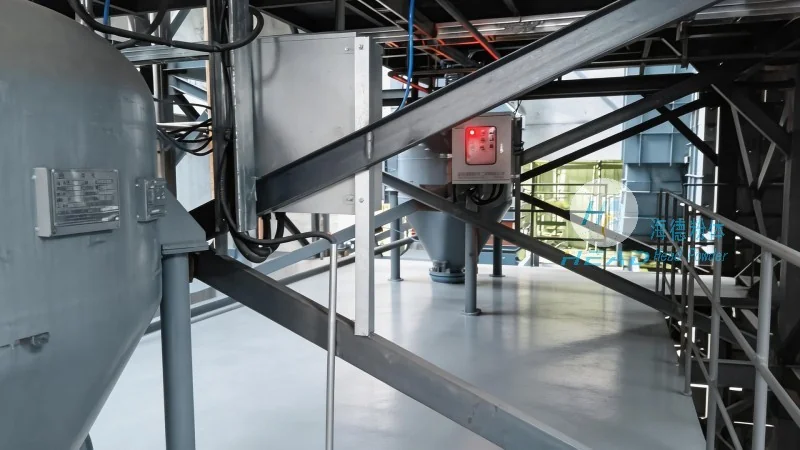
Company Profile: Shandong HeadPowder Engineering Co., Ltd.
HeadPowder, the professional brand under Shandong HeadPowder Engineering Co., Ltd., specializes in the design, manufacturing, and integration of advanced pneumatic conveying solutions. Based in Shandong, China, the company leverages decades of industry experience to develop customized systems tailored to the unique requirements of coke powder handling. With a commitment to innovation and quality, HeadPowder has established itself as a trusted partner for clients seeking reliable and efficient material transport solutions in the coke and steel industries.
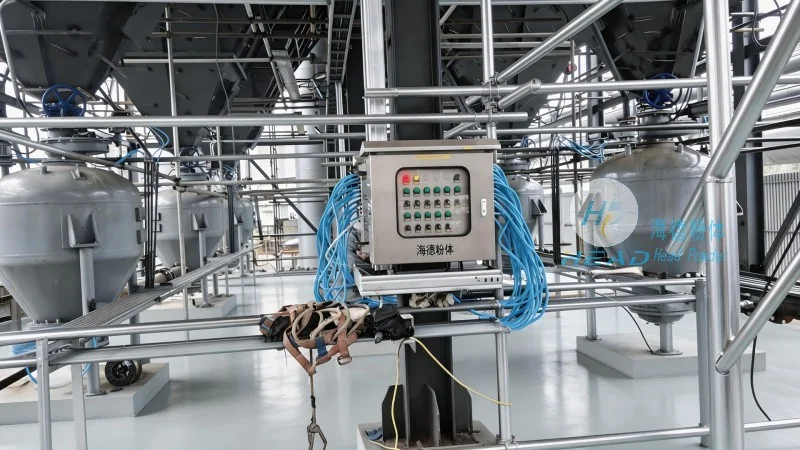
Principle of Pneumatic Conveying for Coke Powder
The core principle of pneumatic conveying for coke powder involves using air or gas as the medium to transport the material through a pipeline. There are two primary methods: positive pressure (or pressure) systems and negative pressure (or vacuum) systems. Positive pressure systems generate air flow by a blower or compressor at the inlet, pushing the material through the pipeline. Negative pressure systems, on the other hand, use a vacuum pump to create a low-pressure environment that draws the material into the system. For coke powder, which is typically fine and abrasive, the choice of system depends on factors such as the required conveying distance, material properties, and environmental considerations. The system typically includes components like a material feeder (often a rotary valve or screw feeder), a conveying pipeline, a separation and cleaning unit (cyclone or filter), and a discharge device. The feeder ensures a consistent flow of coke powder into the pipeline, while the blower or vacuum pump provides the necessary pressure or vacuum to move the material. The separation unit is crucial for removing air from the material stream and preventing dust accumulation in the system, which is particularly important for maintaining air quality and system efficiency.
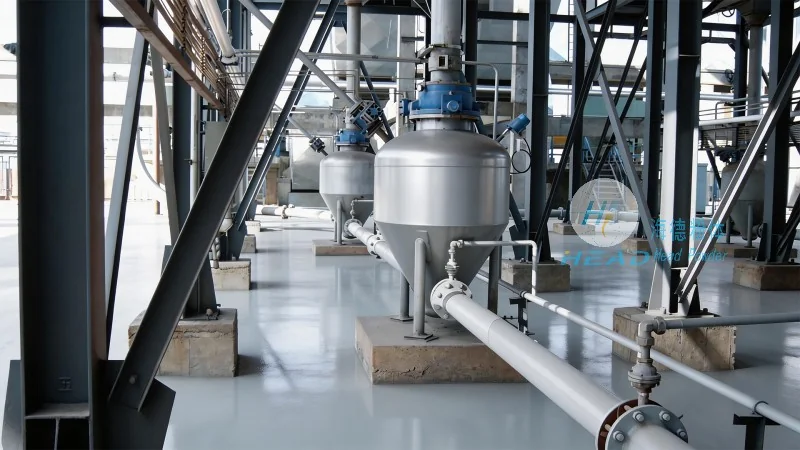
Working Scene Characteristics and Application Scenarios
Coke powder pneumatic conveying systems are widely used in various industrial settings, each with distinct characteristics that influence system design and performance. In coke production facilities, these systems are employed to transport coke powder from storage silos to processing units, such as coke ovens or blending stations. The working scene in a coke plant often involves handling large volumes of material over moderate to long distances, requiring robust and high-capacity systems. The material in this scenario is typically dry and free-flowing, but may contain some moisture or fines that can affect system performance. Another common application is in the storage and distribution of coke powder for steel mills, where the system needs to maintain a consistent supply of material to the production line while minimizing downtime. The working scene in this context may involve multiple conveying lines feeding different production stages, necessitating coordinated control and monitoring of the system. Additionally, in environmental applications, such as dust collection and material recovery, pneumatic conveying systems are used to transport coke powder from filtration units back to storage, ensuring a closed-loop operation that reduces waste and improves overall efficiency.
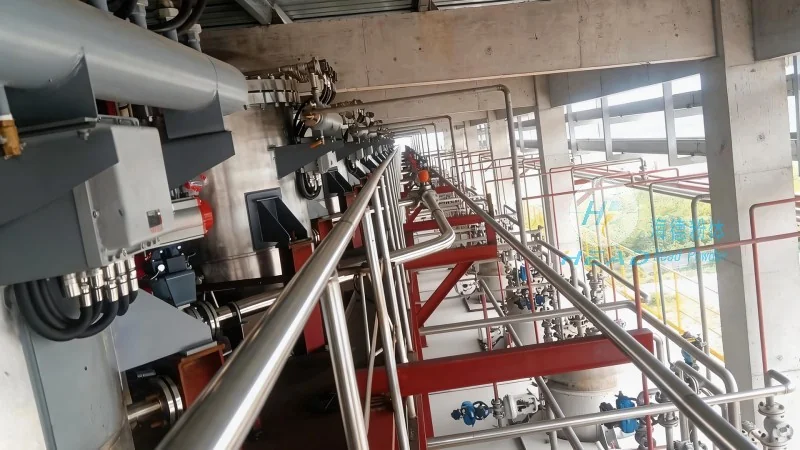
Technical Advantages and Practical Considerations
One of the key advantages of coke powder pneumatic conveying systems is their ability to transport material in a closed environment, which significantly reduces dust emissions and improves workplace safety. Unlike traditional mechanical conveying methods, such as belt conveyors or screw conveyors, pneumatic systems do not involve direct contact between the material and the conveying equipment, minimizing wear and tear on components. This results in lower maintenance costs and longer service life for the system. Another advantage is the flexibility of pneumatic conveying, as it can handle materials with varying properties, including fine powders, granules, and even sticky or moist materials, with appropriate adjustments to the system design. However, practical considerations must be taken into account when implementing such systems. The properties of coke powder, such as its particle size distribution, moisture content, and abrasiveness, can impact system performance. For example, fine particles may cause higher pressure drops in the pipeline, requiring larger blower capacity or more efficient separation units. Moisture in the material can lead to caking or blockages, necessitating the use of drying or anti-caking measures. Additionally, the system must be designed to handle the specific conveying distance and elevation changes required by the application, as these factors directly affect the energy consumption and overall efficiency of the system. Proper maintenance, including regular cleaning of the separation unit and inspection of the pipeline for wear or damage, is also critical to ensure the long-term reliability of the system.




