Centralized material feeding through pneumatic conveying is a sophisticated method used in industrial settings to transport bulk materials from a central source to various processing points. This technology leverages the principles of air flow to move powders, granules, and other particulate materials efficiently and safely. The core of this system involves a central feeding unit that draws material from a storage silo or hopper and conveys it through a network of pipes to multiple destinations, such as production lines, mixing stations, or packaging areas. By centralizing the feeding process, businesses can achieve better control over material flow, reduce labor costs, and enhance operational efficiency.
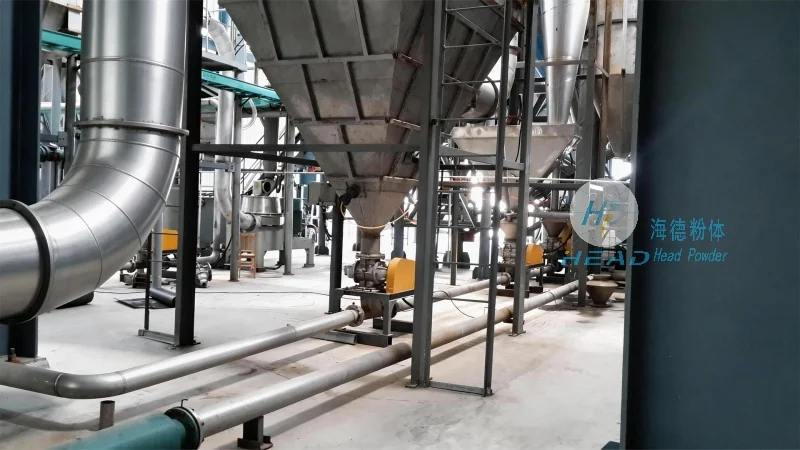
Key Working Principles of Pneumatic Conveying Systems
The fundamental principle behind pneumatic conveying is the use of compressed air or vacuum to create a flow that transports material particles. There are two primary types of pneumatic conveying systems: pressure and vacuum. In pressure systems, air is forced through the pipeline at a high pressure, pushing the material forward. This method is suitable for short to medium distances and can handle a wide range of materials, including fine powders and bulk solids. Vacuum systems, on the other hand, use a vacuum to draw material into the pipeline, making them ideal for longer distances or when the material needs to be transported from multiple sources to a single destination. Both systems rely on the balance between air velocity and particle size to ensure smooth transport without clogging or degradation of the material.
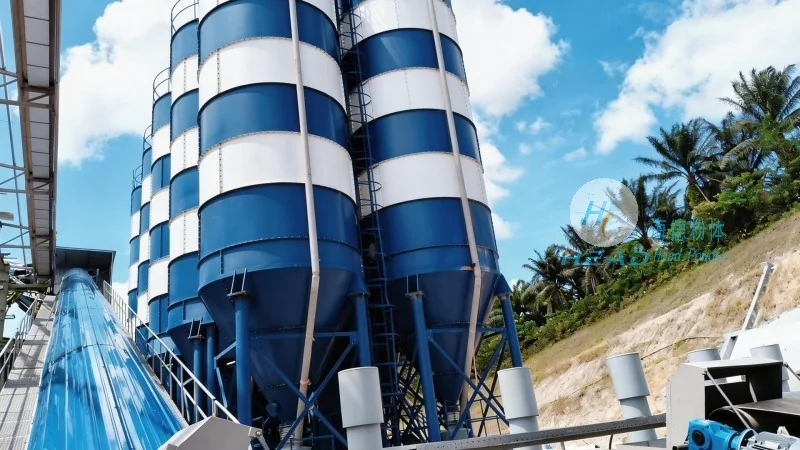
Advantages of Centralized Material Feeding
Implementing centralized material feeding with pneumatic conveying offers several key advantages. First, it improves material handling efficiency by eliminating the need for manual or mechanical feeding at each individual processing point. This reduces the risk of material spillage and contamination, which is critical in industries like pharmaceuticals, food processing, and chemical manufacturing. Second, centralized systems allow for better inventory management and control, as all material is stored in a single location and can be monitored and controlled centrally. This helps in optimizing stock levels and reducing waste. Third, the technology enhances safety by minimizing human exposure to dust and hazardous materials, as the feeding process is automated and enclosed. Additionally, centralized feeding can lead to energy savings, as the system can be optimized to operate at the most efficient air pressure and flow rates.
Common Application Scenarios in Industrial Settings
Pneumatic conveying with centralized material feeding is widely used across various industries due to its adaptability and efficiency. In the pharmaceutical industry, for example, it is used to transport active pharmaceutical ingredients (APIs) and excipients from bulk storage to manufacturing lines, ensuring precise dosing and maintaining sterile conditions. The food and beverage industry utilizes this technology to handle ingredients like flour, sugar, and spices, where hygiene and contamination control are paramount. In the chemical sector, it is employed to transport raw materials and intermediates in production processes, where handling abrasive or corrosive materials requires robust and reliable systems. Manufacturing plants, particularly those involved in plastics, ceramics, and metal powders, also benefit from centralized feeding, as it enables seamless integration of materials into production lines, reducing downtime and improving throughput.
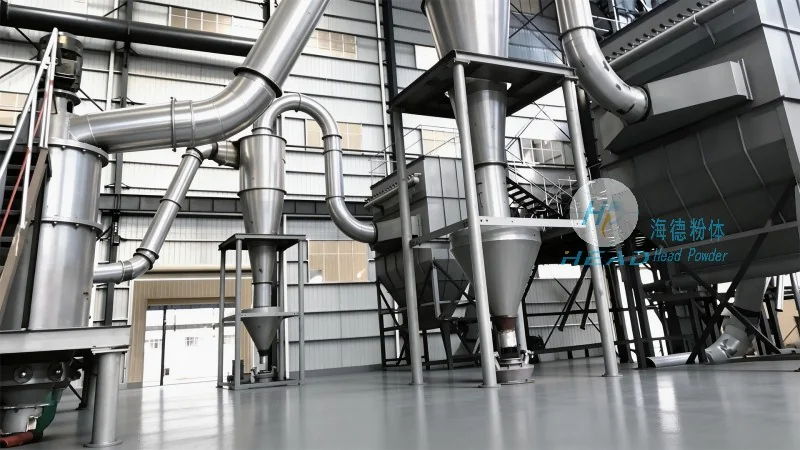
HeadPowder's Expertise in Pneumatic Conveying Solutions
Shandong HeadPowder Engineering Co., Ltd., commonly known as HeadPowder, is a leading provider of pneumatic conveying systems tailored for centralized material feeding applications. With operations based in Shandong, China, HeadPowder leverages decades of experience in engineering and manufacturing to deliver customized solutions that meet the specific needs of industrial clients. The company specializes in designing and installing pressure and vacuum conveying systems, as well as integrating them with existing material handling infrastructure. HeadPowder's team of engineers works closely with clients to assess their material characteristics, processing requirements, and operational constraints to develop optimal conveying solutions. By focusing on quality, reliability, and customer satisfaction, HeadPowder has established itself as a trusted partner in the industry, helping businesses enhance their material handling processes and achieve operational excellence.




