For industries dealing with bulk materials, efficient and reliable material handling is crucial. One of the key technologies in this field is pneumatic conveying, especially for unloading bulk bags and transporting the material to processing or storage areas. This article explores the principle of bulk bag unloading material pneumatic conveying and highlights the characteristics of its working scenes, with a focus on the expertise of Shandong HeadPowder Engineering Co., Ltd., a leading provider in this domain.
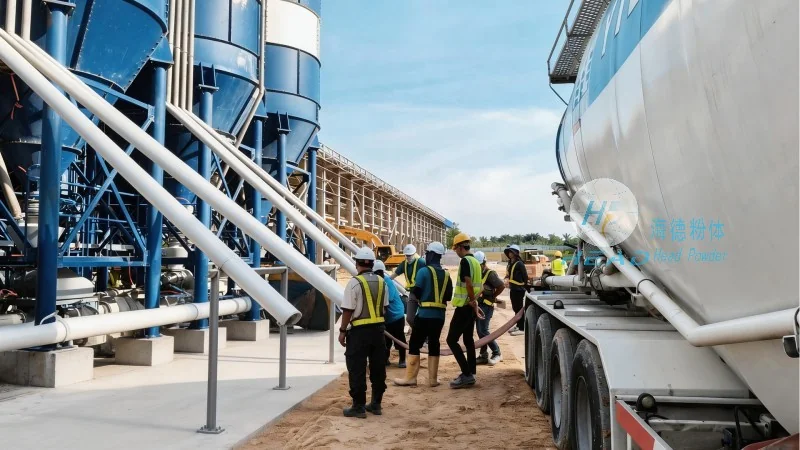
Introduction to Bulk Bag Unloading and Pneumatic Conveying
Bulk bags, also known as FIBCs (Flexible Intermediate Bulk Containers), are widely used for transporting and storing large quantities of dry bulk materials. These bags are often heavy and contain substantial amounts of material, making their unloading and subsequent handling a critical step in material processing. Pneumatic conveying systems offer a solution by using air to move the material from the bulk bag to a processing line or storage silo, eliminating the need for manual handling and reducing the risk of dust exposure and material loss.
Principle of Bulk Bag Unloading Material Pneumatic Conveying
The core principle of bulk bag unloading material pneumatic conveying involves creating a pressure differential between the bulk bag and the conveying system. This is typically achieved through either vacuum or positive pressure systems. In a vacuum system, a vacuum pump draws air and material from the bulk bag through a discharge spout, while a positive pressure system uses a blower to push air and material from the bag into the conveying line. The material is then transported through a network of pipes to the destination point, where it is discharged into a hopper, silo, or processing equipment.
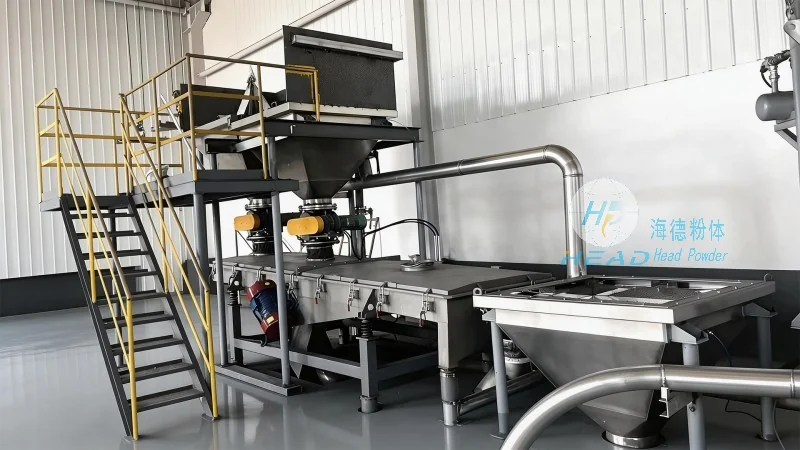
Key components of a bulk bag unloading pneumatic conveying system include the bulk bag itself, a discharge spout or valve, a vacuum or blower unit, a filter system to capture dust and particles, and a conveying line. The system operates by first opening the bulk bag's top, attaching the discharge spout, and then activating the vacuum or pressure system to start the material flow. The filter system is essential to maintain air quality and prevent dust from being released into the environment, ensuring compliance with environmental regulations and workplace safety standards.
Working Scene Characteristics of Bulk Bag Unloading Material Pneumatic Conveying
The working scenes where bulk bag unloading material pneumatic conveying is applied vary widely across different industries. In the chemical industry, for example, this technology is used to handle powders and granules such as polymers, pigments, and fertilizers. The system's ability to handle abrasive materials without causing wear to the equipment makes it suitable for these applications. In the food and pharmaceutical industries, the system is often designed with sanitary components to meet strict hygiene standards, ensuring that the material remains clean and free from contamination.
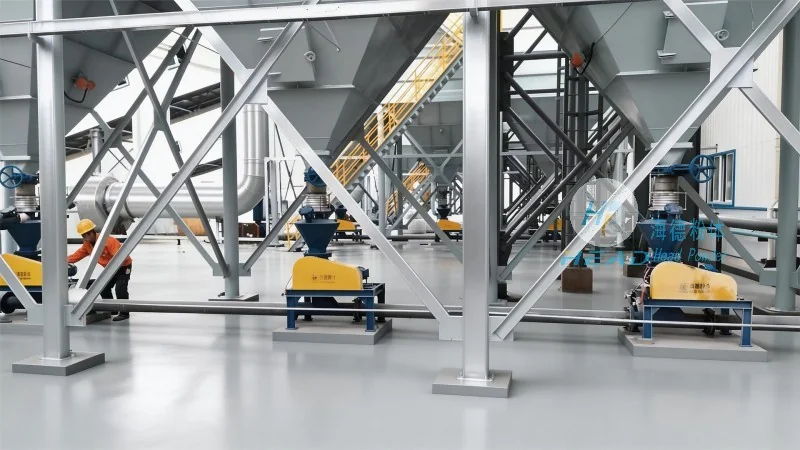
In the mining and mineral processing sector, bulk bag unloading pneumatic conveying is used to transport raw materials like ores and concentrates from storage to processing plants. The system's high capacity and ability to handle large volumes make it efficient for these operations. Additionally, in the agricultural industry, it is used to handle bulk materials such as grains and feed, facilitating their movement from storage silos to processing facilities.
Advantages and Considerations in Working Scenes
One of the primary advantages of bulk bag unloading material pneumatic conveying is its flexibility in handling different types of materials and bag sizes. The system can be customized to accommodate various bulk bag dimensions and material characteristics, making it adaptable to diverse industrial needs. Another advantage is the reduction in labor costs and manual handling, which improves workplace safety and reduces the risk of material spills or dust exposure.
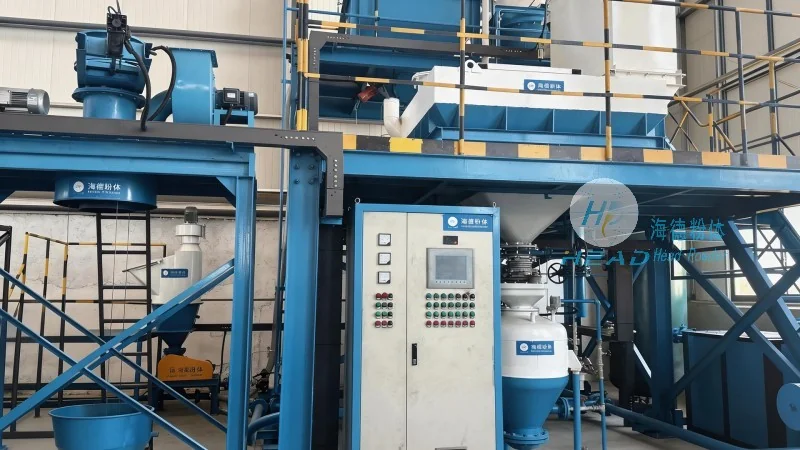
However, there are considerations to keep in mind when implementing this technology. The system's performance depends on the material's properties, such as particle size, moisture content, and flowability. Materials that are too fine or cohesive may require additional equipment like a feeder or agitator to ensure smooth flow. Additionally, the system's energy consumption and maintenance requirements need to be considered, as they impact the overall operational costs.
Conclusion
Bulk bag unloading material pneumatic conveying is a sophisticated and efficient technology that plays a vital role in modern material handling. By understanding its principle and the characteristics of its working scenes, industries can optimize their material processing operations. Shandong HeadPowder Engineering Co., Ltd., with its expertise in designing and implementing such systems, provides tailored solutions that meet the specific needs of various industries, ensuring reliable and efficient material handling.




